The United States moved on Monday to close one of the most widely used routes around its AI chip export controls, issuing a rule that targets remote access to advanced AI chips through data centers in other countries. The Commerce Department said the interim final rule was issued by its Bureau of Industry and Security (BIS), and it comes just days before President Donald Trump travels to China to meet President Xi Jinping.
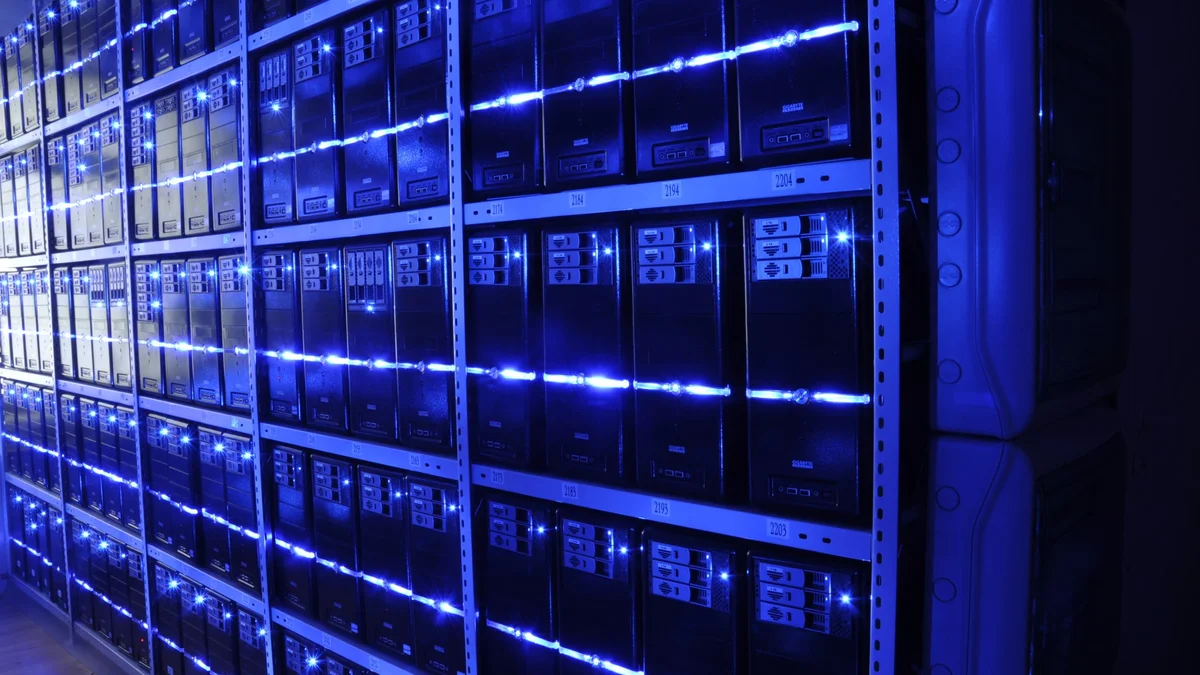
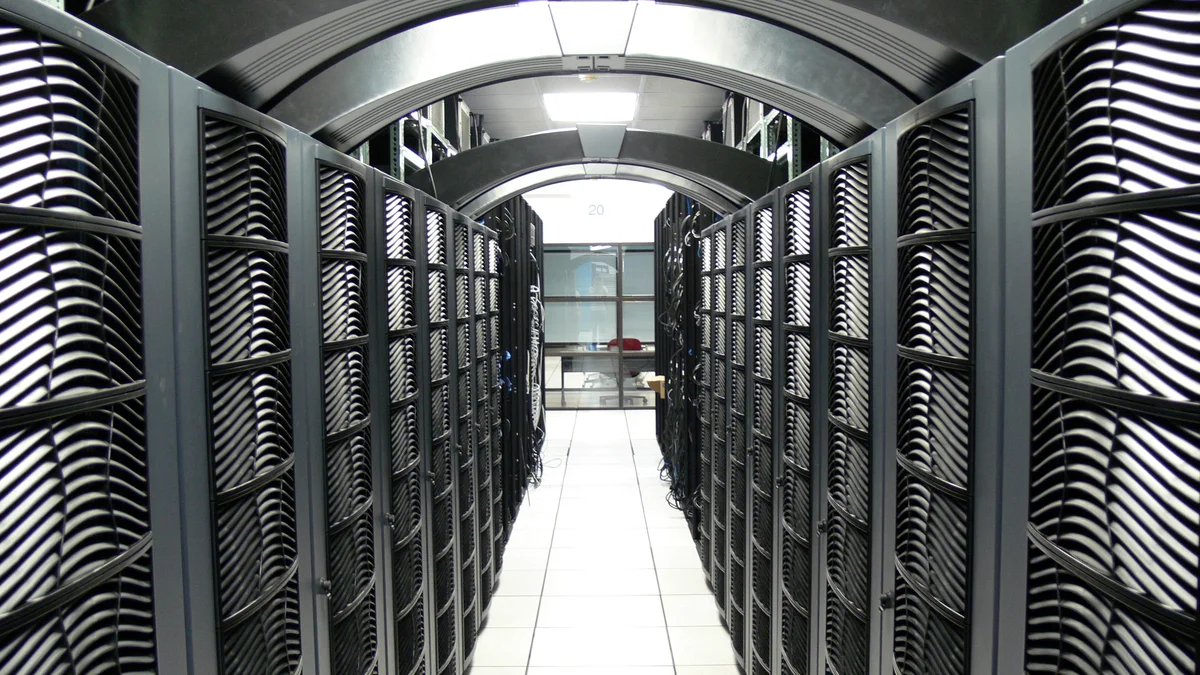
The rule is aimed at a loophole Washington has wrestled with for years. Chinese firms barred from buying the most advanced AI chips, including Nvidia hardware, have still been able to rent the same computing power from data centers in Southeast Asia and elsewhere. The department said the rule is “designed to ensure that existing restrictions on access to sensitive American technology cannot be circumvented through remote computing arrangements involving data centers in third countries.”
What the Rule Does
Under the rule, overseas data centers that supply “significant volumes of computing power” to companies headquartered in a small group of high-risk countries, including China, Russia and Iran, face new restrictions and must perform due diligence on those customers. The Commerce Department said the provision will “undermine” the ability of companies in those countries to use US chips to train advanced AI models.
The rule will also require a license to export advanced chips to companies with foreign headquarters in five countries: Indonesia, Malaysia, Singapore, Thailand and Brazil, which the administration described as having a higher than normal risk of smuggling. The move brings US rules on remote access to data centers into line with its rules on the physical shipment of sensitive technology, the department said.
Notably, the announcement said the rule was “written by and at the direction of the Department of Treasury and the National Security Council,” the parts of the administration that have pushed for tougher controls.
Why Now: The Megaspeed Case
The issue gained new urgency after revelations about Megaspeed, a Singaporean data center firm at the center of the Nvidia scandal. US authorities deemed Alice Huang, a former Megaspeed executive, an asset for Chinese intelligence services, and they are investigating the company over allegations of smuggling chips to China. Megaspeed has not been found to have violated the rules, Reuters reported.
Megaspeed’s business, operating data centers in Southeast Asia that remotely serve Chinese clients, is legal. That is exactly the gap the new rule is meant to close: companies blocked from buying advanced Nvidia chips directly can simply rent them through firms in other countries. Nvidia and its supporters argue the sales create jobs in the United States and keep the world reliant on American technology, while officials in the Trump administration and Congress increasingly believe Chinese access to these data centers has undercut US export controls.
Pressure has also come from Congress. Senator Maria Cantwell, the top Democrat on the Senate Commerce Committee, wrote to Commerce Secretary Howard Lutnick on November 15 accusing the department of not doing enough to prevent China from obtaining advanced AI chips. Lawmakers have summoned both Jensen Huang and Lutnick to testify, as previously reported.
A Rule Two Years in the Making
The remote access question is not new. Just before leaving office, the Biden administration issued global rules on chip sales that included restrictions on Chinese firms remotely accessing data centers. Trump officials said they would no longer enforce those rules, and in May 2025 they officially rescinded the restrictions. Since then, various draft versions of a replacement rule gained momentum inside the government, only to be blocked by opponents.
Inside the administration, Treasury Secretary Scott Bessent, Secretary of State Marco Rubio and US Trade Representative Jamieson Greer have all pushed to reinstate broad restrictions on data centers. They faced pushback from Commerce Secretary Howard Lutnick, who oversees chip export policy and has favored a leaner version of the rules, one less onerous for Nvidia and foreign data centers.
Congress has moved on the issue as well. The House of Representatives passed the Remote Access Security Act by 369 votes to 22 in January 2026, a bill that would give BIS explicit statutory authority over remote access. The Senate has not yet acted on it, and some commentators have questioned whether BIS has the authority to regulate remote access without the new legislation. The wider legislative push is covered in GPTOnline’s earlier report on the chip export control bills.
What Remains Unclear
Several details are still unsettled. The full text of the rule had not been published in the Federal Register as of Monday, and the scope of the licensing requirement, including any performance thresholds, has not been confirmed. Earlier reporting on draft versions of the rule named seven countries, adding Norway and South Africa to the five named in Monday’s announcement, so the final country list is worth confirming against the official text.
It also remains to be seen whether the move will draw a response from Beijing. Trump arrives in China on Wednesday for meetings expected to address the war in Iran, nuclear nonproliferation and trade. A senior administration official told reporters on Friday that the administration did not expect countermeasures from China, and that export controls are national security matters and are not up for negotiation with the Chinese.
For AI companies and cloud operators, the practical effect will depend on the final text: which data centers count as supplying “significant volumes” of computing power, what due diligence will be required, and whether US-operated facilities in the affected countries receive exemptions.
Sources
- Reuters: US issues rule to protect advanced AI chips from being accessed remotely
- The New York Times: Trump Administration Moves to Close A.I. Chip Loophole Ahead of China Trip (via FXNEWS24)
- The Economic Times: US moves to regulate remote access to advanced AI chips and servers
- NDTV Profit: US Tightens AI Chip Rules: Licences Needed To Reexport To 5 Countries, Including Singapore