Defense technology company Shield AI will acquire radar maker Echodyne Corp. in a transaction valued at $5.3 billion, and raise $2.5 billion to support the deal, including a $1 billion Series H round that values Shield at $28.8 billion, the company announced on November 5, 2026.
The deal pairs Shield’s Hivemind autonomy software and autonomous aircraft with Echodyne’s software-defined radars, which sit inside hundreds of counter-drone and security systems used by defense, government and commercial customers in more than 40 countries. It is the largest transaction in Shield’s history and more than doubles the $12.7 billion valuation the company set in March.
What Was Announced?
Shield said it has entered into a definitive agreement to acquire Echodyne, with $4.8 billion to be paid and issued at closing and up to an additional $500 million contingent on Echodyne meeting agreed performance targets. The acquisition is expected to close in early 2027, subject to regulatory approvals and other customary conditions.
The $2.5 billion financing package has three parts: a $1 billion Series H at a $28.8 billion post-money valuation, co-led by Disruptive and Innovation X Capital; a $1 billion structured equity investment from funds managed by Blackstone; and $500 million in debt financing led by JPMorgan Chase Bank as sole arranger. Series H proceeds will be used principally to fund the acquisition.
Why Echodyne, Why Now
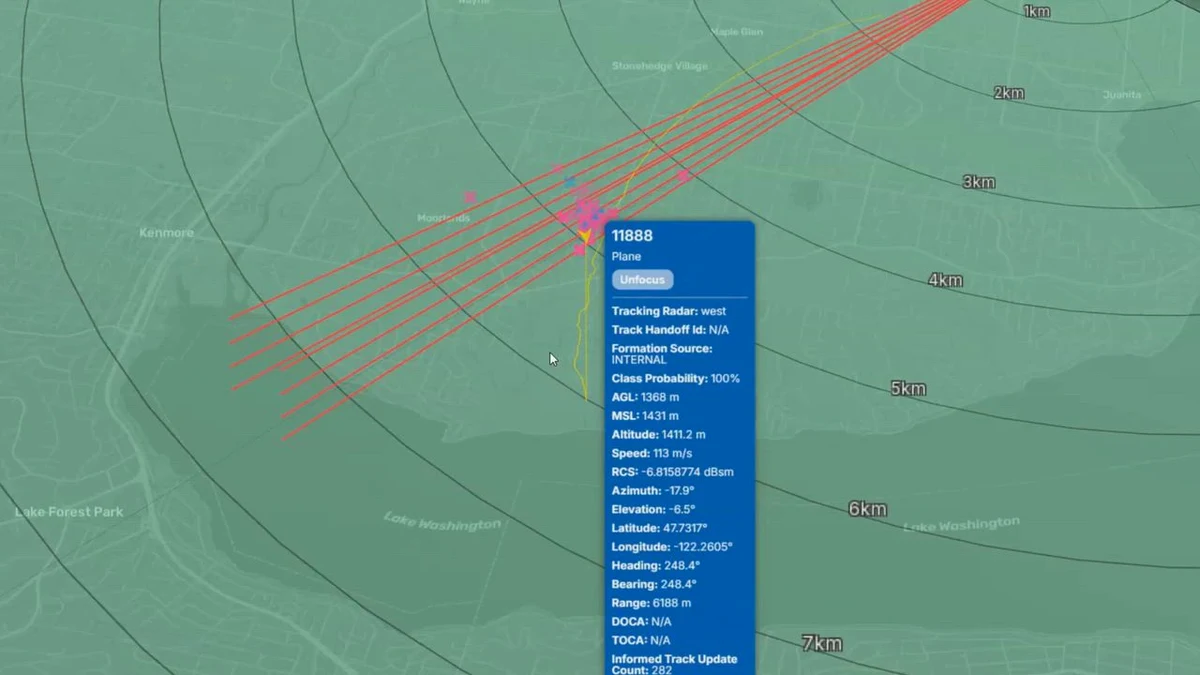
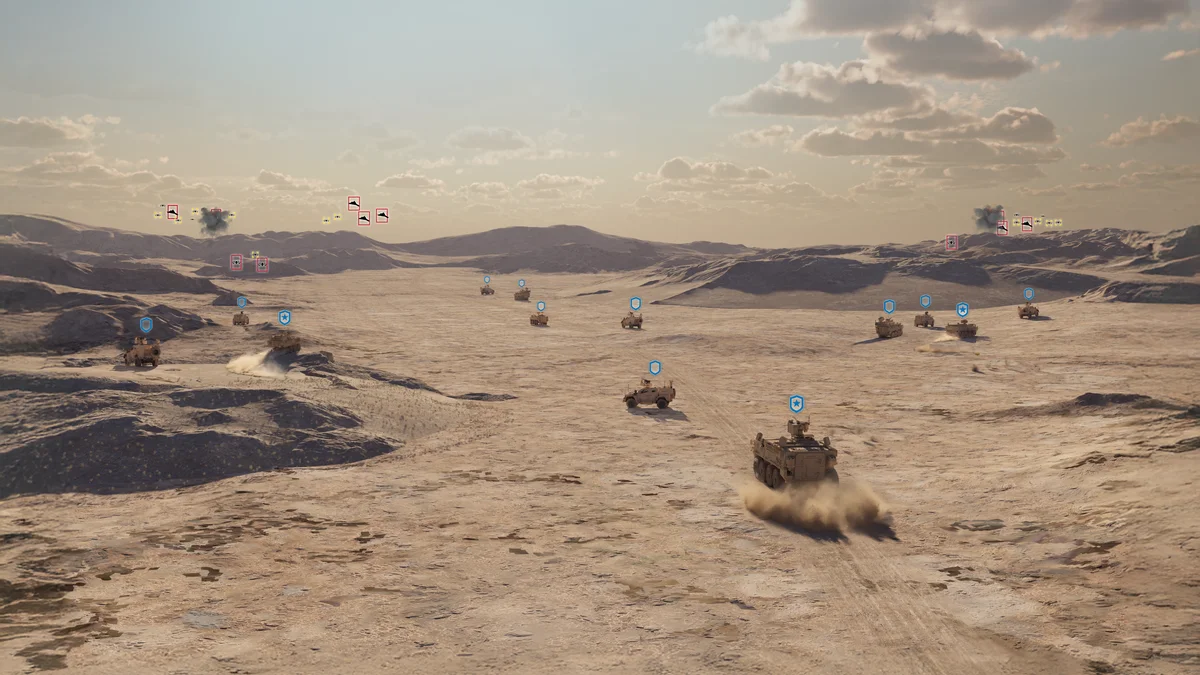
Echodyne designs and manufactures compact, solid-state radars using its patented MESA (Metamaterials Electronically Scanned Array) technology. Its radars detect, track and defeat drones, cue interceptors toward incoming threats, and are integrated onto remote weapon stations, high-energy lasers and high-power microwave systems. Civilian operators use the same radars to protect stadiums and airports and to let police and fire departments fly drones safely in shared airspace.
The business is growing fast. In September, Echodyne received a contract with a $250 million ceiling from Joint Interagency Task Force 401 to supply counter-drone radar to U.S. and allied forces. The company recently opened an 86,350-square-foot manufacturing facility in Kirkland, Washington, a $40 million investment able to produce about 30,000 radars per year. Shield said both companies expect triple-digit revenue growth this fiscal year.
“We are building a new-generation defense technology company consisting of three fast-growing, high-margin, mutually supporting business units: autonomy software, autonomous systems, and mission systems,” said Gary Steele, CEO of Shield. “The acquisition of Echodyne dramatically accelerates our efforts to meet growing customer demand for multi-mission capabilities, provides increased access to a rapidly expanding counter-drone industry, and further diversifies our revenue streams with sustained, compelling growth for the combined company.”
What Happens After Closing
Following the close, Echodyne will accelerate its existing business strategy, with its team remaining in place and its MESA radars continuing to be sold as standalone products. Echodyne CEO Eben Frankenberg will report directly to Steele and remain responsible for the company’s products, manufacturing operations, and partner and customer engagement. The deal also extends Shield’s presence in Washington, where Shield recently named the state as the production home for its X-BAT autonomous system.
“Hundreds of customers rely on our radars to detect and track drones, protect people and infrastructure, secure borders, and ensure safe airspace operations,” Frankenberg said. “Shield shares our view that autonomous systems can only act on what they can sense, and superior sensors lead to superior systems and outcomes.”
Why It Matters
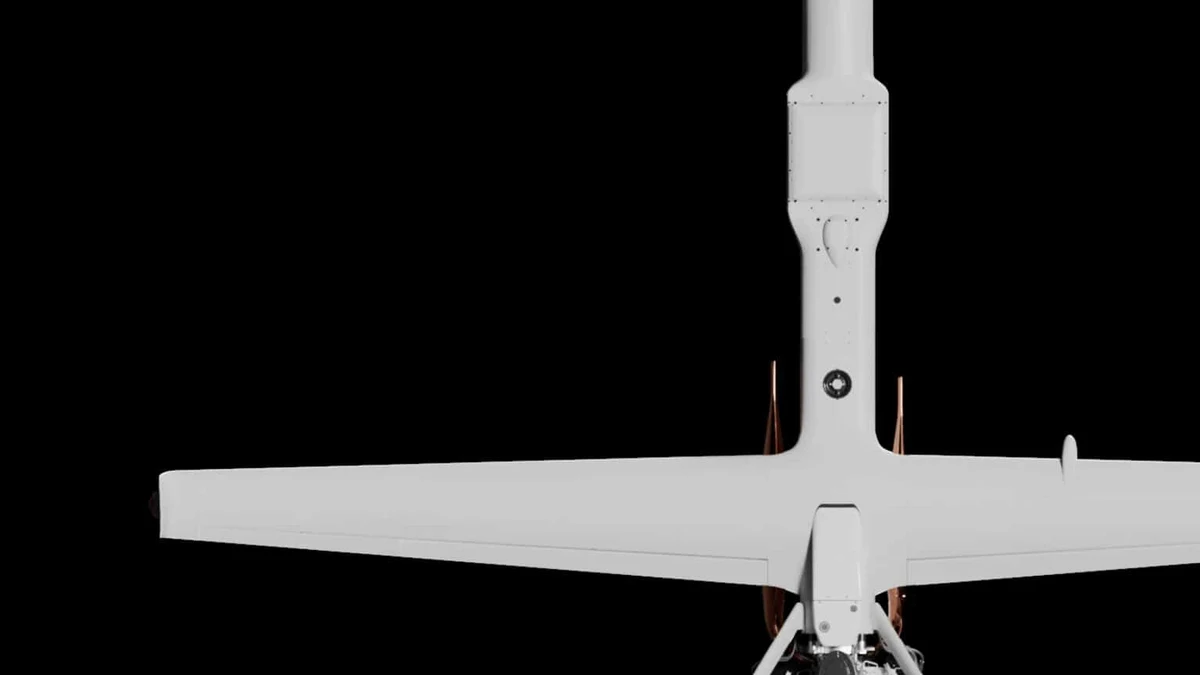
The transaction is a bet that the next phase of defense AI is about sensing as much as thinking. Shield’s Hivemind software already flies autonomous aircraft, including its V-BAT and X-BAT systems, and the company also builds Aechelon simulation technology for training and testing. What it lacked was its own radar: the sensor layer that tells an autonomous system what is in the sky. Echodyne fills that gap with a product already deployed at scale, in a counter-drone market that is expanding as fast as drone threats themselves.
The financing tells the same story at a larger scale. A $28.8 billion valuation, more than twice the March mark, makes Shield one of the most valuable private defense technology companies in the world, and the $2.5 billion package, split across equity, structured equity and debt, shows how much capital is now chasing AI-driven defense. J.P. Morgan Securities served as exclusive financial advisor to Shield, with Wachtell, Lipton, Rosen and Katz as legal advisor. Whether the integration delivers depends on the usual risks: regulatory approval, the $500 million in performance targets, and combining two fast-growing companies without slowing either down. The close, expected in early 2027, will be the first test.