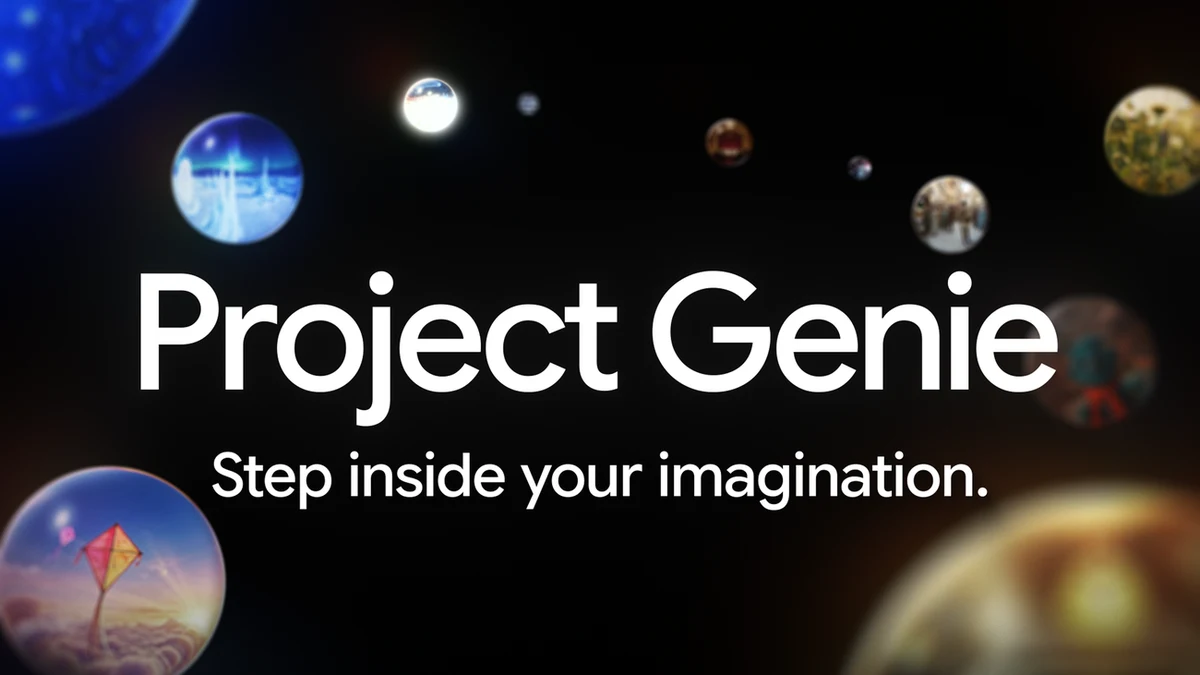
Google is rolling out a new version of Project Genie to eligible Google AI Ultra subscribers, opening first access to Genie 4, its most realistic world model yet. The update, announced on November 18, 2026, also brings longer Genie 3 sessions, a conversational agent that helps build worlds, and a community gallery for sharing and remixing them.
Project Genie turns a text prompt or an image into a place you can walk around in, rather than a fixed video clip. Google DeepMind introduced the experimental prototype earlier this year, and early testers asked for deeper control over what happens inside those worlds, plus easier ways to build and share them. This update answers both requests.
What Is New in Project Genie?
The headline change is Genie 4. Google calls it “our most realistic and interactive world model yet,” and for the first time it pairs its visuals with real-time native audio that adapts as the scene unfolds, from ambient soundscapes to character dialogue. Users can now prompt mid-session to change the world they created, typing a new instruction while they navigate. They can shift the weather, drop in a character, or redirect the action, and the world rewrites itself in real time.
The release also upgrades Genie 3, which stays available in the model picker for longer runs or panorama-seeded spaces. Sessions now run for up to 3 minutes per generation, up from 60 seconds, and multiple worlds can be linked together for longer journeys. Genie 3 can now seed new worlds from 360-degree panorama images, and it supports real-time in-world events that change the environment through natural-language prompts while the user explores.
A Conversational Agent Builds the World
The new Project Genie agent takes creation beyond a single text or image prompt. Users describe their vision in natural language, and the agent orchestrates Google’s suite of multimodal models to craft the initial visuals that set the world’s signature look, paired with custom background scores tailored to the mood.
Gemini models can also join the session as the user explores. Google says Gemini observes what is happening on screen, surfaces context-aware suggestion chips for where to go next, and can trigger in-world events automatically as the journey unfolds.
A Gallery for Shared Worlds
The new gallery brings together curated worlds alongside work from the community. Visitors can turn personal photos into explorable spaces in “Living Memory,” wander through prehistoric habitats grounded in 360-degree panoramas in “Dino Field Guide,” or pit themed objects against one another on a desk with Gemini serving as a real-time referee in “Rock Paper Scissors.”
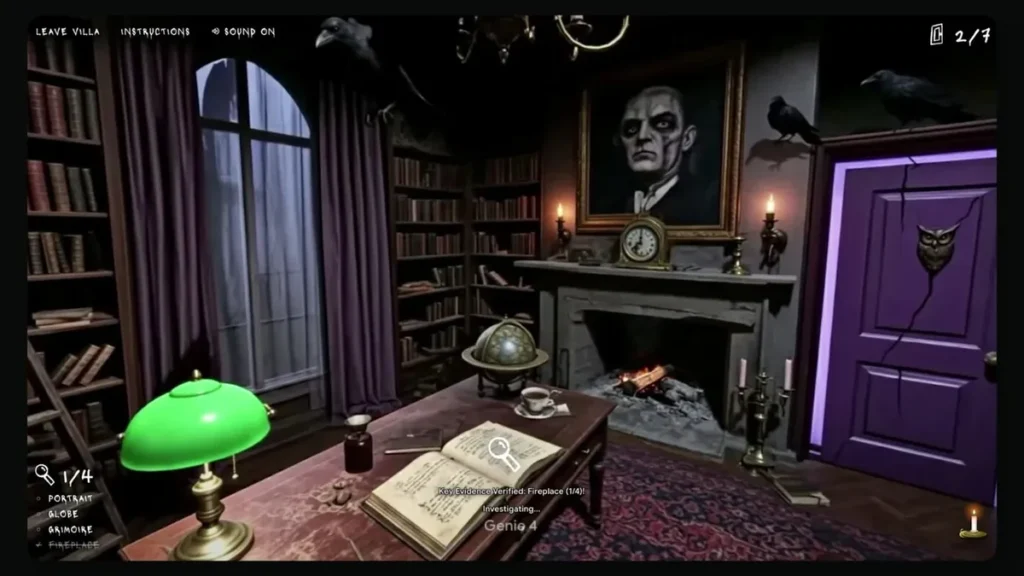
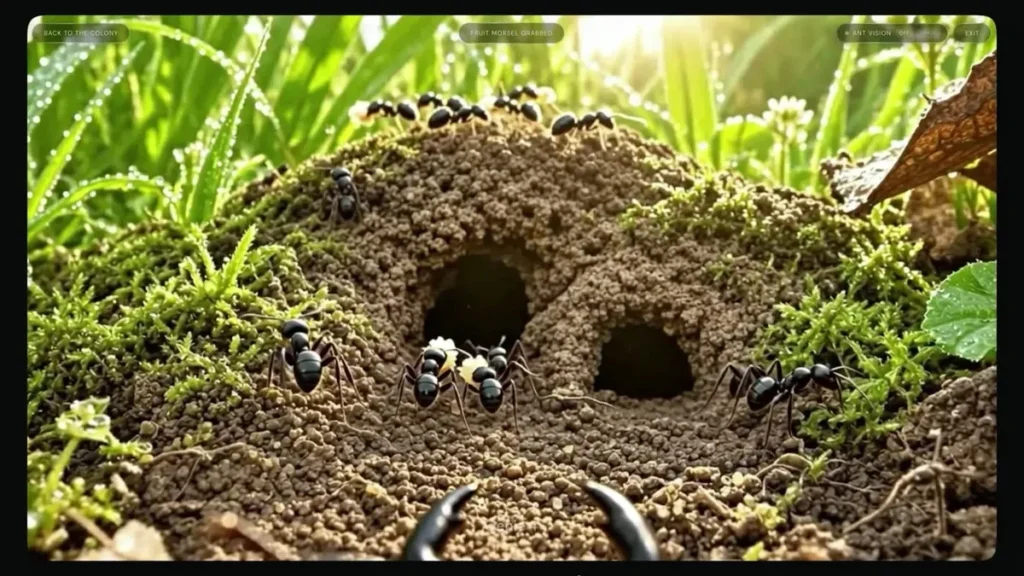
The gallery also showcases collaborations with creators who had early access. Working with creative technologist Will, also known as BLVCKL!GHT, Google built “Villa Giallo,” an atmospheric room-by-room mystery inside a gothic manor. With filmmaker Anand Gandhi, it built “The Life of Ants,” which invites users to navigate a complex colony from an ant’s perspective, drawing on Genie 4’s photorealism. Users can launch their own vision with a simple prompt, remix existing gallery experiences, and publish their creations for others to explore.
Pricing and Availability
Eligible Google AI Ultra subscribers can try the new Project Genie experience starting today, while Google AI Pro members can join the waitlist on the same page. Google says all video and audio generated in Project Genie includes SynthID watermarking, and all model inputs and outputs go through safety screenings.
Why It Matters
Genie 4 was unveiled on October 27 as a research preview for a small group of trusted testers, with Google promising it would reach consumers next through Project Genie. That rollout has now arrived, and it lands alongside a broader shift in how world models are used: not just as generators of short clips, but as persistent, editable places where an agent and a user build together. The gallery adds a social layer that earlier world models lacked, turning single-player experiments into shared worlds that others can enter and remix. The open question is how far the models can stretch before their limits show, and Google acknowledges the work ahead on camera latency, physical interactions, real-time audio precision, and long-term scene permanence.