
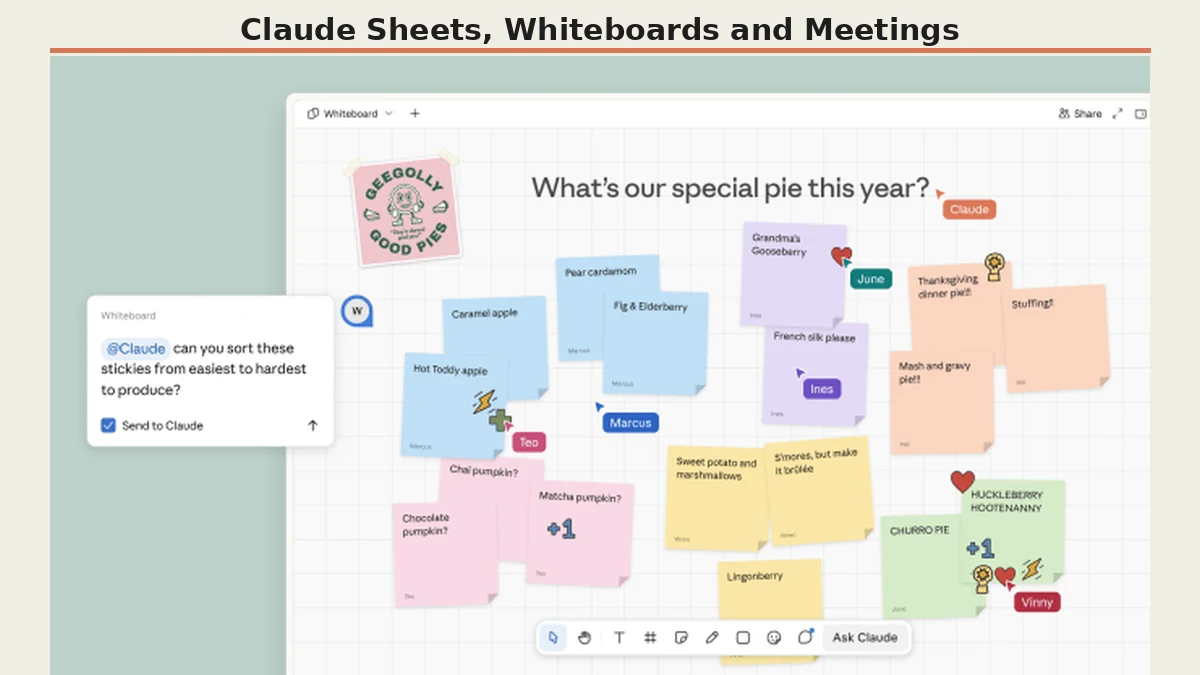
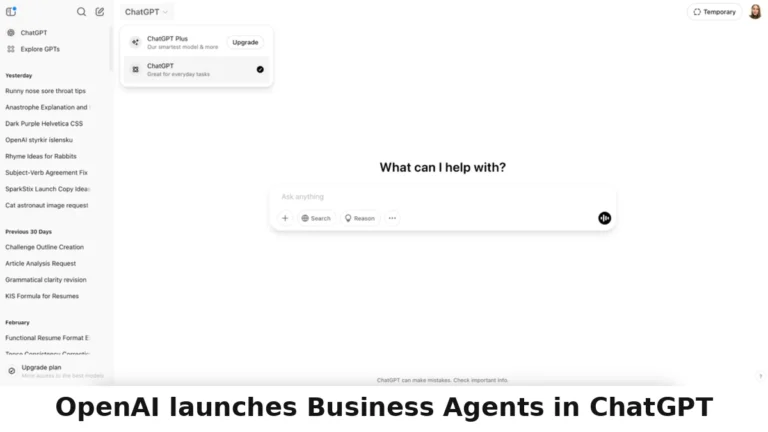
Anthropic on November 10 took its biggest step yet toward turning Claude into a full workplace suite, unveiling Claude Sheets, Claude Whiteboards and Claude Meetings alongside a broader upgrade to the way Claude connects to other apps. The launch, announced at an event in San Francisco, puts Anthropic in direct competition with Microsoft and Google for office teams, weeks after OpenAI rolled out its own set of workplace tools for ChatGPT.
“Our goal is to bring that magic to every team, and today we’re expanding what Claude makes possible,” Anthropic said in its announcement. The company is now applying the same idea to spreadsheets, whiteboards, dashboards and meetings, the formats where most non-technical work happens.
Claude Sheets and Whiteboards Arrive in Beta
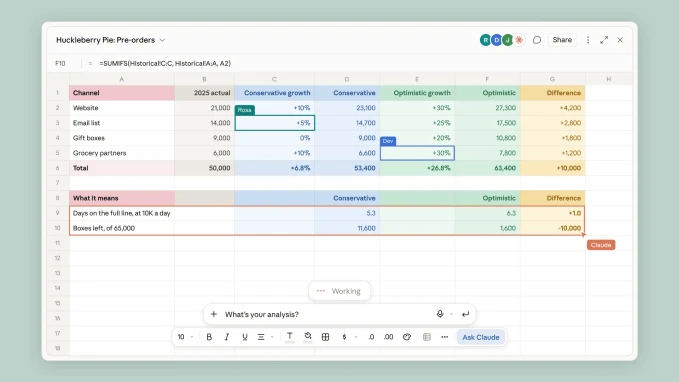
Claude Sheets lets teams build and edit spreadsheets together with Claude, with support for multiple tabs, formulas, formatting and dropdown menus. A team can ask Claude to build a campaign tracker or a hiring budget, and it generates a working spreadsheet, then keeps editing cells directly alongside the team while outlining each change. Claude Sheets is available in beta on paid plans, on web, desktop and mobile.
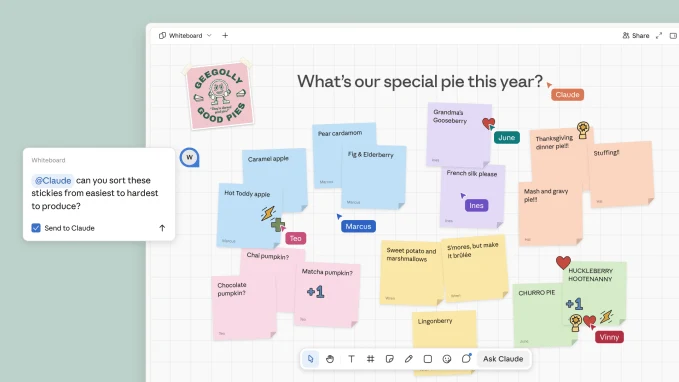
Claude Whiteboards is a shared digital whiteboard where a team can talk through a plan and have Claude turn it into an organized visual workspace, with timelines and deadlines. When the brainstorm is done, Claude can turn the board into a document or a slide deck. Whiteboards are also available in beta on paid plans, on web, desktop and mobile, and they work inside Claude Meetings, so the board builds while people talk.
Claude Meetings Joins the Call
Claude Meetings adds Claude to a video call as a visible participant. While people talk, it drafts the plan being discussed, maps out a timeline on a whiteboard, answers questions in the meeting chat and pulls information from connected work apps, such as last year’s figures. After the call, the meeting notes, action items and other materials Claude created are available in claude.ai.
Anthropic describes Meetings as coming soon in its own announcement, while TechCrunch reports it is launching in beta on Team and Enterprise plans, starting with Google Meet, with support for additional plans to follow. Claude identifies itself as a meeting participant and posts a notice in the meeting chat. It will not join calls with external guests unless an administrator allows it, and it leaves automatically if an external guest joins.
Claude Data Goes Generally Available
Anthropic also said Claude Data, formerly known as Claude Dashboards, is now generally available. The feature connects Claude to the systems companies use to keep their numbers, such as Snowflake and Salesforce, and can use definitions a data team certifies to create dashboards, visual data stories or narrated short videos. Users ask a question in plain language, and Claude answers with a dashboard rather than a block of text.
The connective tissue is an upgrade to interactive connectors. Partners can now embed their apps directly inside Claude, so teams can work in Adobe, Atlassian and HubSpot without switching tabs, and plugins from Salesforce, NetSuite and Workday come with built-in skills for sales, finance and HR work. The Claude Marketplace now lists more than 9,000 connectors and plugins, all built on the Model Context Protocol, the open standard Anthropic introduced for connecting AI to other tools.
Enterprise Controls and Early Results
As Claude reaches into more tools, Anthropic is leaning on enterprise controls to win over IT departments. On Enterprise plans, administrators decide who can use which products and connectors and can set spending limits at a granular level. Each cloud session runs in its own isolated virtual machine, with connector credentials kept outside it, and security teams can follow usage through audit logs and a Compliance API that works with more than 100 security and compliance tools, including Splunk and CrowdStrike.
A new feature called Claude auto-connect, now in beta on eligible Team and Enterprise plans, makes connecting an app such as Notion, Atlassian or Dropbox a one-time setup, with employees connected to the tool the first time they use it in Claude instead of connecting each one individually. Claude works within existing permissions, and administrators can limit what each connector does, so Claude might be able to read Slack but not send messages on a user’s behalf.
Anthropic says its own non-technical teams are already working this way. Its legal team built a Slack-based review tool with Claude that draws redlines from the team’s playbook, cutting marketing reviews from three days to 24 hours, while its finance team turned a long business update into an interactive page the whole team updates together.
Why It Matters
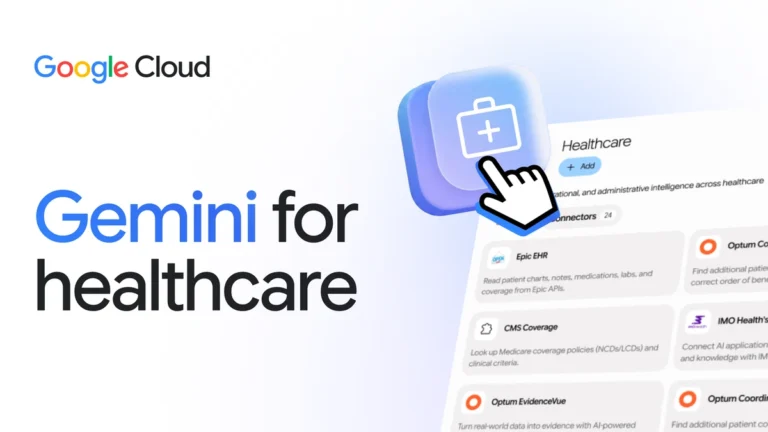
The launch is the clearest sign yet that the frontier AI labs see the office suite as the next battleground. OpenAI moved first with workplace tools for ChatGPT a few weeks ago, Google has Gemini woven through Workspace, Microsoft has Copilot across Office, and Meta is joining the contest with its Muse agent. Anthropic’s answer is to make Claude the place where work happens, rather than a chatbot teams copy and paste from.
The bet is also a commercial one. Anthropic is competing for the same paying enterprise customers as Google’s Gemini 4 Carbon, which went generally available the same day. Whether teams adopt a fourth office suite will depend on how well Sheets, Whiteboards and Meetings work in practice, and whether the time saved is worth the switch.
Sources
- Anthropic: More ways to work with Claude: Sheets, Whiteboards, and Interactive Connectors
- TechCrunch: Anthropic launches Claude Meetings to turn workplace discussions into plans and tasks
- Engadget: Anthropic takes on Google and Microsoft with Claude Sheets
- GPTOnline: Google Opens Gemini 4 Carbon to All Paying Developers and AI Ultra Users

[…] Anthropic Takes Claude Into the Office With Sheets, Whiteboards and MeetingsNovember 10, 2026 […]