Nvidia’s board did not remove Jensen Huang because of the affair that made headlines. It removed him because, in the board’s judgment, he had spent a year misleading it. That is the account two people familiar with the board’s private discussions gave to WIRED, which reported on Friday that “lying” and a “lack of candor” were the decisive factors in the ouster of the chipmaker’s co-founder and chief executive.
What the board concluded
According to WIRED, board members had asked Huang about Alice Huang after The New York Times first reported in October 2025 that Nvidia had an unusually close business relationship with Megaspeed, the Singapore-based data center company where Alice Huang worked. At the time, Huang denied any inappropriate relationship with her, the sources said.
When the affair came to light, the board was incensed. “What could be determined was [Huang’s] lying, and that spanned a year, from October 2025 through recent events,” a source close to the board told WIRED. In the following days, allegations of other affairs surfaced, including one reportedly involving a direct report.
While board members view the national security questions as “important” and “ongoing,” the primary driver behind the decision was “the lying,” the source said. “It was a matter of integrity and trust.”
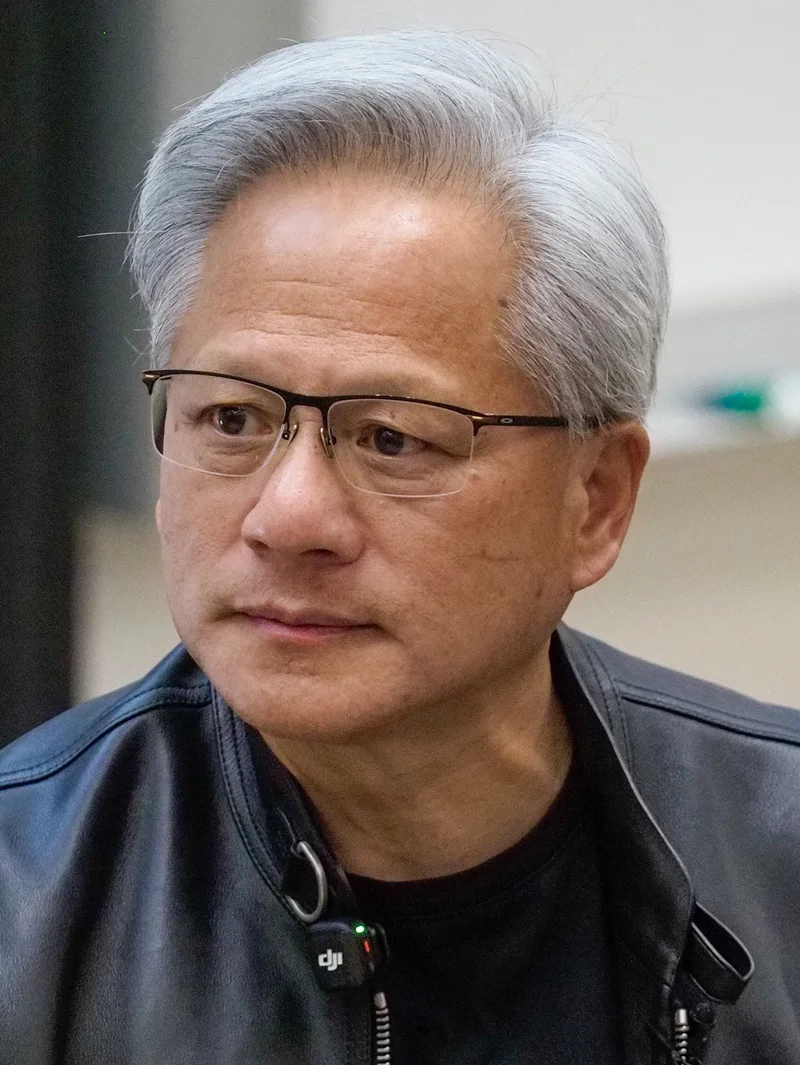
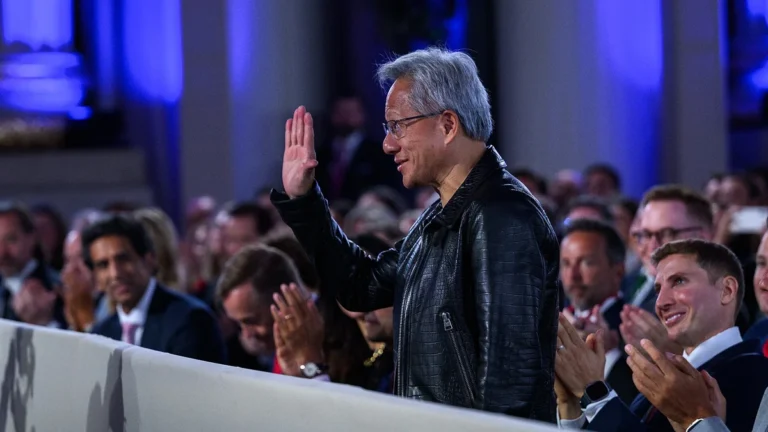
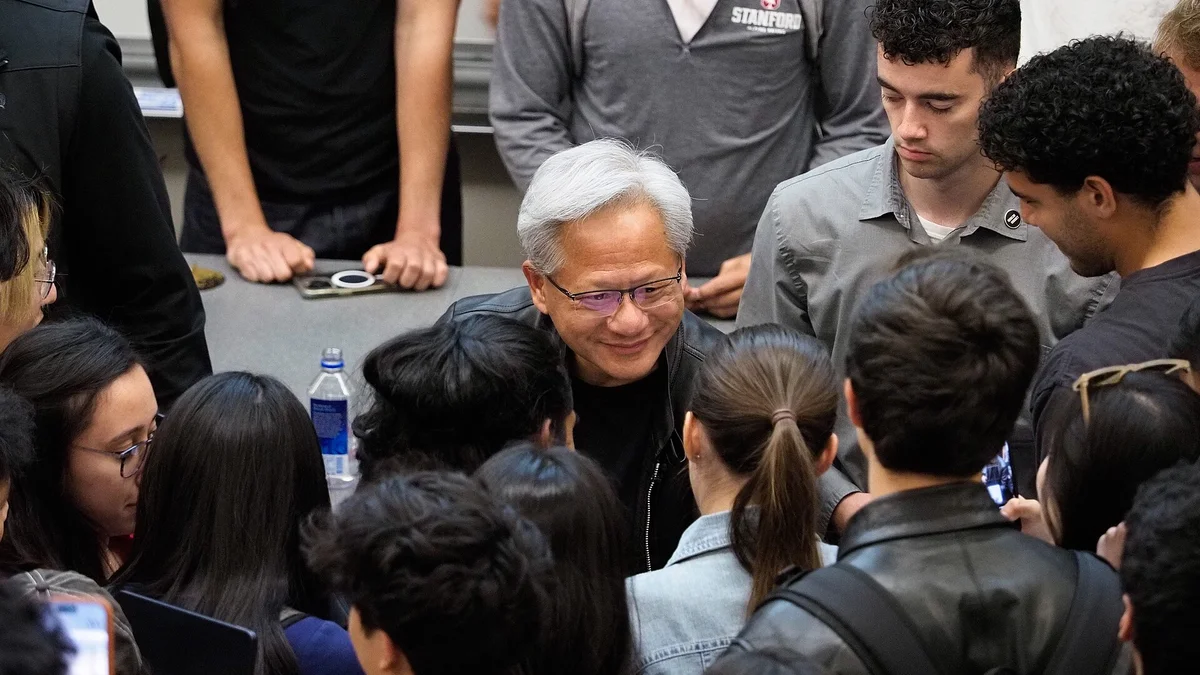
Jensen Huang speaks with students during a fireside chat at Stanford University in April 2026. Image: Anderseidesvik / Wikimedia Commons (CC BY-SA 4.0)
The board’s public case
Board chair Harvey Jones made a similar case to employees at an all-hands meeting on November 18. “It was not an easy decision to accept [Huang’s] resignation,” Jones said, according to remarks reviewed by WIRED. “However, the disclosure of personal behavior and a lack of candor inconsistent with the company’s code of conduct, standards, and values made this a necessary decision.”
In recent days, Jones and other board members have tried to quell the campaign for Huang’s return, emphasizing that his behavior violated Nvidia’s policies and corporate governance rules. Semafor reported that a small faction of the board has pushed to bring Huang back, but Jones has not responded to WIRED’s inquiries about the reported division.
Jones did not respond to a WIRED request for comment for the story. A spokesperson for Nvidia, John Rizzo, declined to comment. John Fisher, a vice president at communications firm Trident, which represents Huang, declined to comment except to say that Huang voluntarily resigned from his positions at Nvidia.
The campaign for his return
The board’s account has not settled the debate. Thousands of Nvidia employees have called for Huang’s return, and some are angry at how quickly the board accepted his resignation. “We feel like they forced his hands to resign,” one person on the business side of Nvidia told WIRED. “We don’t understand why the board is so adamant about not giving him a second chance.”
Huang himself has said he would be “honored” to come back as chief executive. On Friday, President Donald Trump renewed his call for Huang to get another chance, telling reporters, “He made some bad decisions, but he is a brilliant person. I’d like to see Jensen make a big apology.” Trump had made the same appeal earlier, as GPTOnline reported.
At the November 18 all-hands meeting, interim CEO Colette Kress told employees their biggest concern was Nvidia’s falling share price, and the next biggest was the board’s decision to oust Huang. She addressed the first by moving up pay raises, but offered no promise to share the results of the board’s investigation or its deliberations about him. “The ship has sinked but there’s no plan to be transparent about what happened,” one computer scientist working at Nvidia told WIRED. “It feels like a black box.”
Why it matters
The distinction WIRED draws matters for what happens next. If the board had acted only on the affair, the case for bringing Huang back would rest on forgiveness. If it acted on a year of dishonesty toward the board itself, the case rests on trust, and trust is harder to restore. That framing also explains why Jones has held the line even as Trump, employees, and investors press for Huang’s return.
The legal exposure is also growing. Nvidia and Huang face several shareholder lawsuits alleging misleading statements about dealings with Alice Huang and Megaspeed, and the company’s general counsel, Tim Teter, has been called to testify in Washington as officials examine whether Nvidia chips reached China in breach of export controls.
Sources
- Jensen Huang’s ‘Lying’ Alarmed Nvidia Board Ahead of His Resignation, WIRED, November 20, 2026
- Trump Calls for Jensen Huang’s Return as Nvidia CEO, GPTOnline, November 20, 2026