
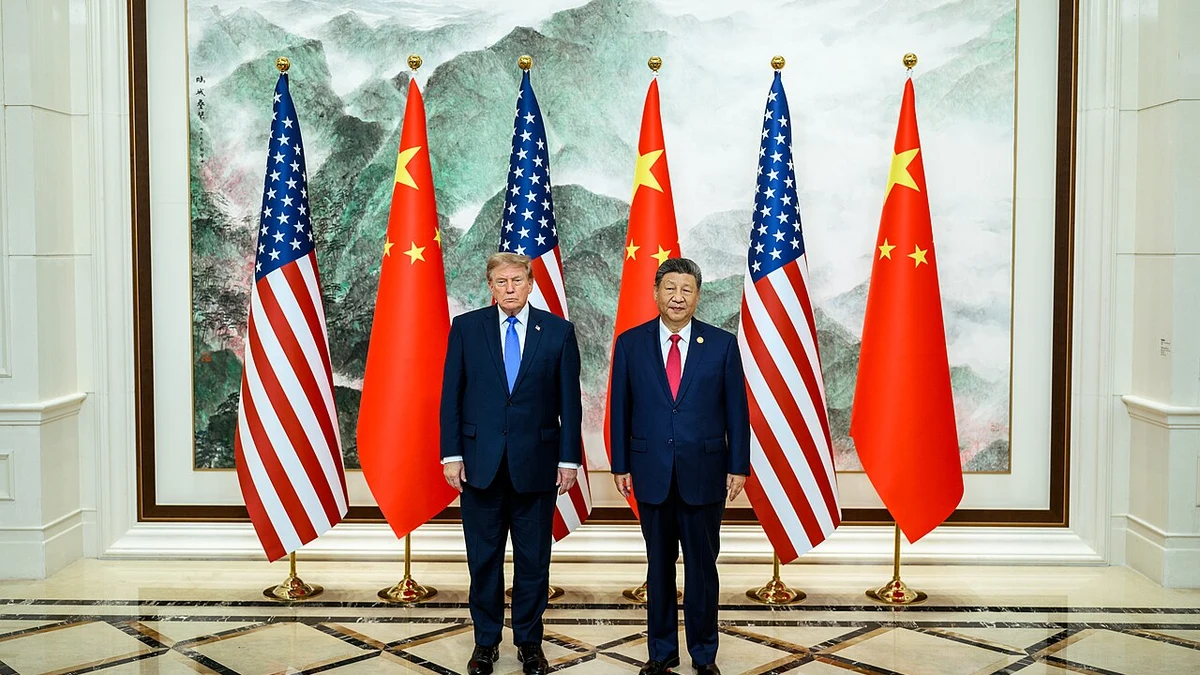
US President Donald Trump and Chinese President Xi Jinping agreed that humans should always be involved in military decisions that use artificial intelligence, Treasury Secretary Scott Bessent said on Friday, November 20. The understanding, reached during the two leaders’ meeting in Shenzhen, China, bars fully autonomous AI from major military actions, even as Washington and Beijing compete for AI supremacy.
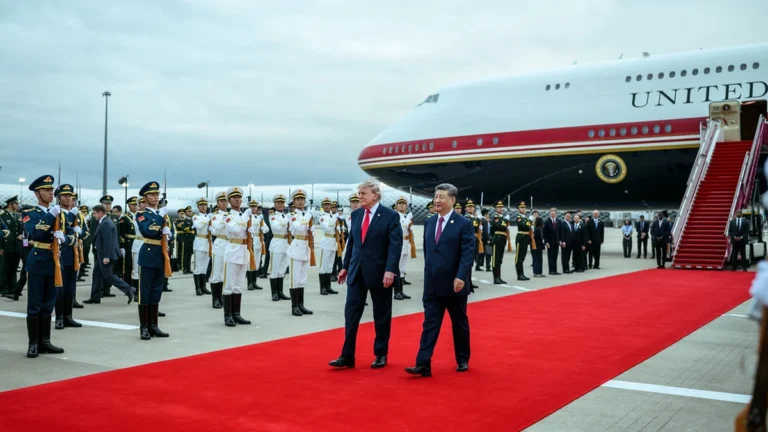
Bessent disclosed the agreement in a Reuters report after returning from Trump’s trip to Asia, calling it one of the major achievements of the visit. Trump and Xi held a bilateral meeting and a working lunch on Thursday, November 19, at Kylin Villa in Shenzhen, followed by a first ever trilateral session with Russian President Vladimir Putin.
What Was Announced?
According to Bessent, the two presidents agreed that no major military operation should be launched without a human being involved, and that AI systems should not be allowed to act autonomously in major military decisions. Bessent used the Trump administration’s preferred term for the technology, “super intelligence,” when describing the agreement.
“But there’s nothing to do with competition when it says that both sides agree that no major military operation should be launched without a human being involved,” Bessent said.
Bessent stressed that the agreement on military use of the technology, including human involvement and other safeguards, would not be affected by the two countries’ race for AI supremacy. He added that US AI labs needed to maintain their technological lead as the best defense against “dangerous” Chinese AI models that are being used in cyberattacks.
The Chinese embassy in Washington struck a similar note on Thursday, saying in a statement that the two countries should “strengthen communication and coordination, prevent the security risks of AI and ensure that AI is always under human control.”
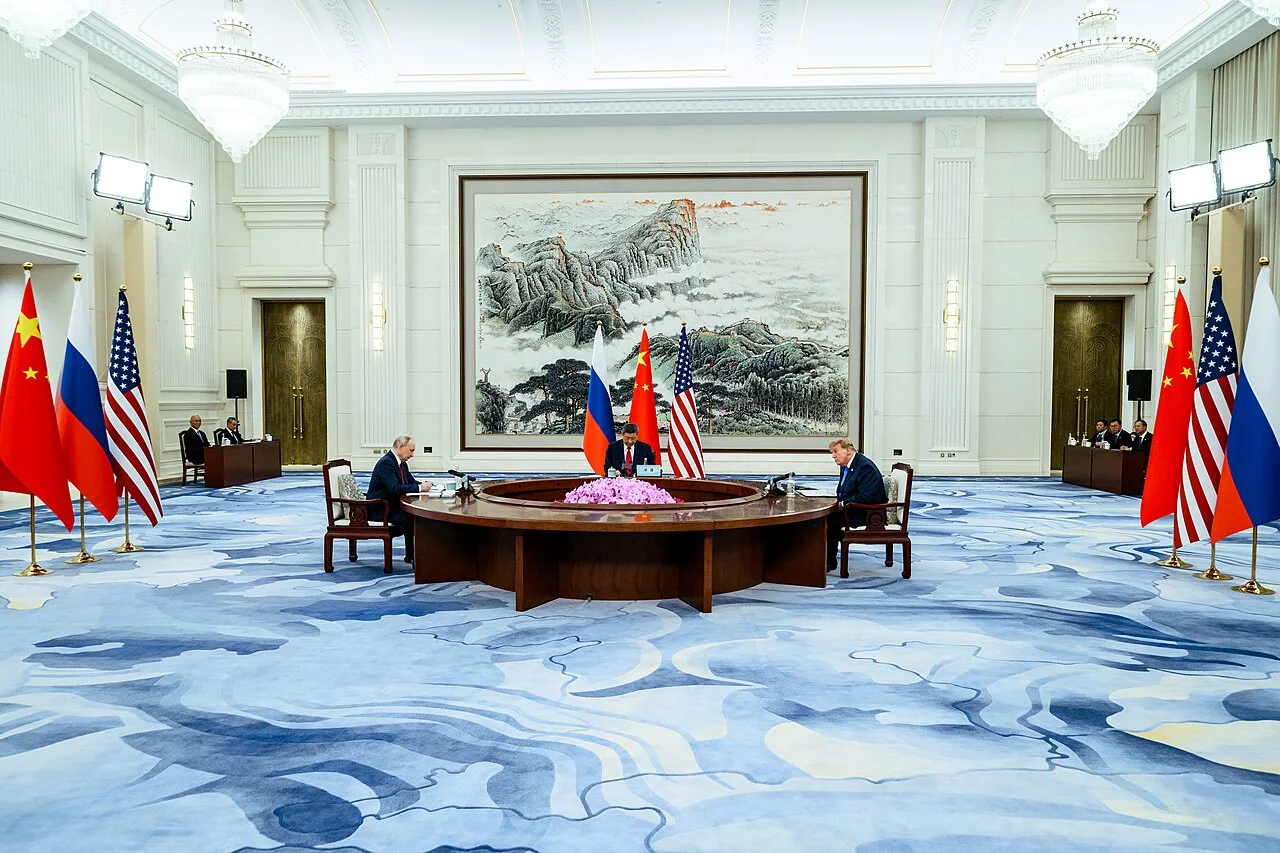
Presidents Donald Trump, Xi Jinping and Vladimir Putin at their trilateral meeting at Kylin Villa in Shenzhen on November 19, 2026. Image: Official White House Photo by Daniel Torok
Why It Matters
The agreement is the first public sign that Washington and Beijing have found common ground on a guardrail for military AI, a field where both sides see the technology as strategically vital. It follows Trump’s comment a day earlier, in a Fox News interview, that he and Xi both want AI regulations for safety purposes and will work together on reasonable AI rules.
The understanding does not slow the underlying competition. The United States has spent years limiting China’s access to advanced Nvidia chips because it does not want the Chinese military to benefit from them, and both countries view superior AI models as strategically important for military and technological leadership.
Chip Restrictions and the H200
Bessent also addressed the chip curbs at the center of the US-China technology dispute. He said Nvidia’s second tier AI chip, the H200, remained the most advanced chip that China could purchase with licenses, after Trump took what he called a “very firm line.”
“I think what we have seen is a paucity of orders from the Chinese on the H200s as they try to build out their own chip stack, and I think that they are probably many years behind,” he added.
The Commerce Department took steps on Monday, November 16, to further restrict China’s access to advanced AI chips, including those used by overseas data centers where Chinese entities can rent computing power. “I think we are going to see that the proper chip restrictions are in place, and the remote access has been curtailed,” Bessent said.
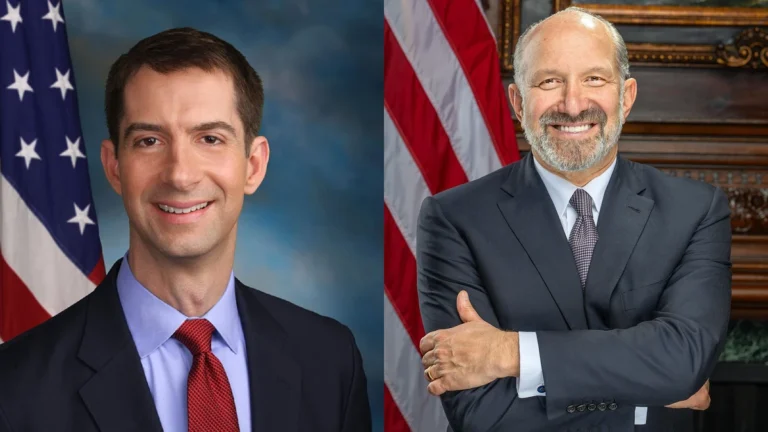
Bessent also downplayed differences he had voiced with Commerce Secretary Howard Lutnick on AI chip restrictions in the wake of the Nvidia scandal, saying administration officials were “all committed to following President Trump’s instructions.”
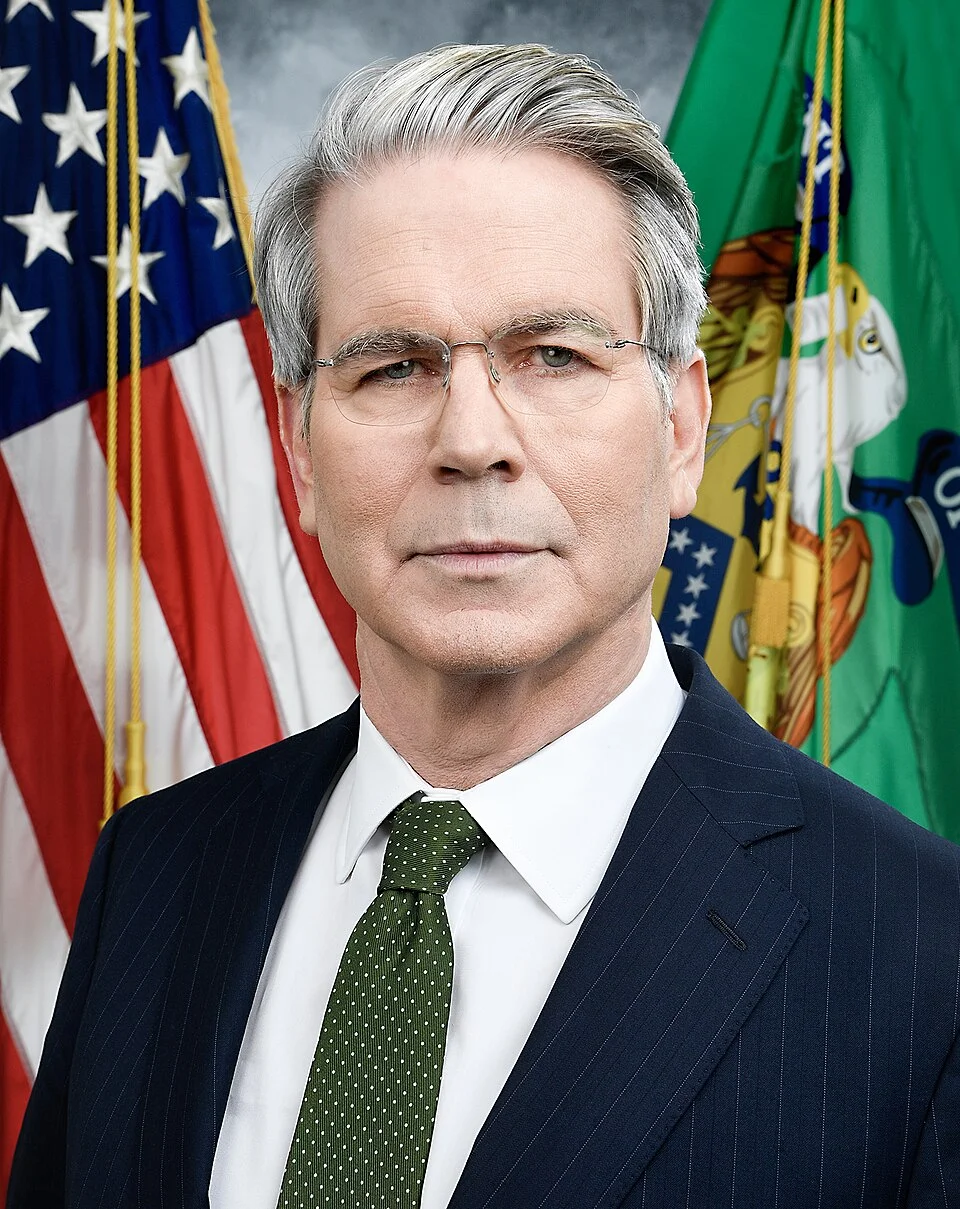
US Treasury Secretary Scott Bessent, who disclosed the agreement in a CNBC interview on November 20, 2026. Image: US Department of the Treasury (public domain)
What Did Not Come Up
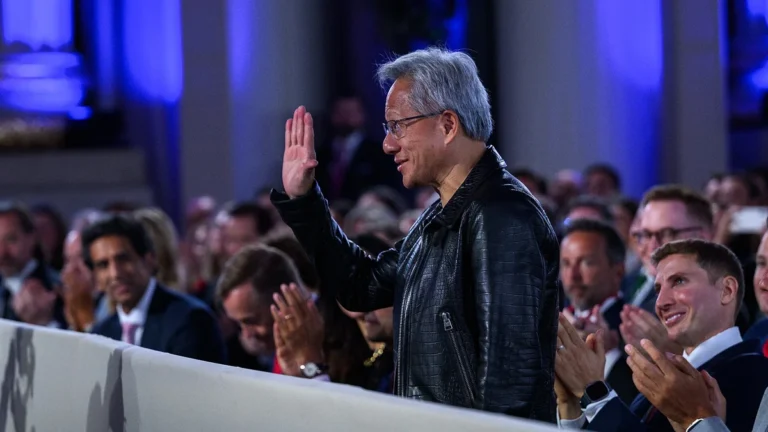
Bessent said the spying allegations involving former Nvidia CEO Jensen Huang and a Chinese national he was romantically involved with did not come up in the Trump-Xi bilateral meeting. Trump had said on Thursday that he did not talk too much with Xi about Nvidia or Huang’s relationship with the woman, whom Reuters has not independently confirmed is a spy.
The agreement on human control of military AI now stands as one of the few concrete outcomes of a summit otherwise dominated by trade, chip curbs and the first three way meeting of the leaders of the world’s three largest nuclear powers. Whether it leads to written commitments or verification measures remains unclear, and neither side has published a formal text of the understanding.
Sources
- Reuters: Trump, Xi agreed that military AI decisions should involve humans, Bessent says (November 20, 2026)
- Reuters: Trump says he and China’s Xi want moderate AI rules (November 19, 2026)
- Wikimedia Commons: Official White House Photo of the Trump-Xi bilateral meeting, Kylin Villa, Shenzhen, November 19, 2026
[…] At the same news conference, Trump said he and Xi had agreed to establish joint guardrails for AI. The two leaders had already agreed that humans must remain in control of military AI decisions, as GPTOnline reported. […]
[…] That account appeared to contradict his own Treasury secretary. Earlier on Friday, Scott Bessent told CNBC that Trump had not discussed Huang with Xi during the meeting in Shenzhen. Bessent also told CNBC that Trump and Xi agreed humans should always be involved in military decisions made by AI, a development GPTOnline covered in its report on the agreement. […]