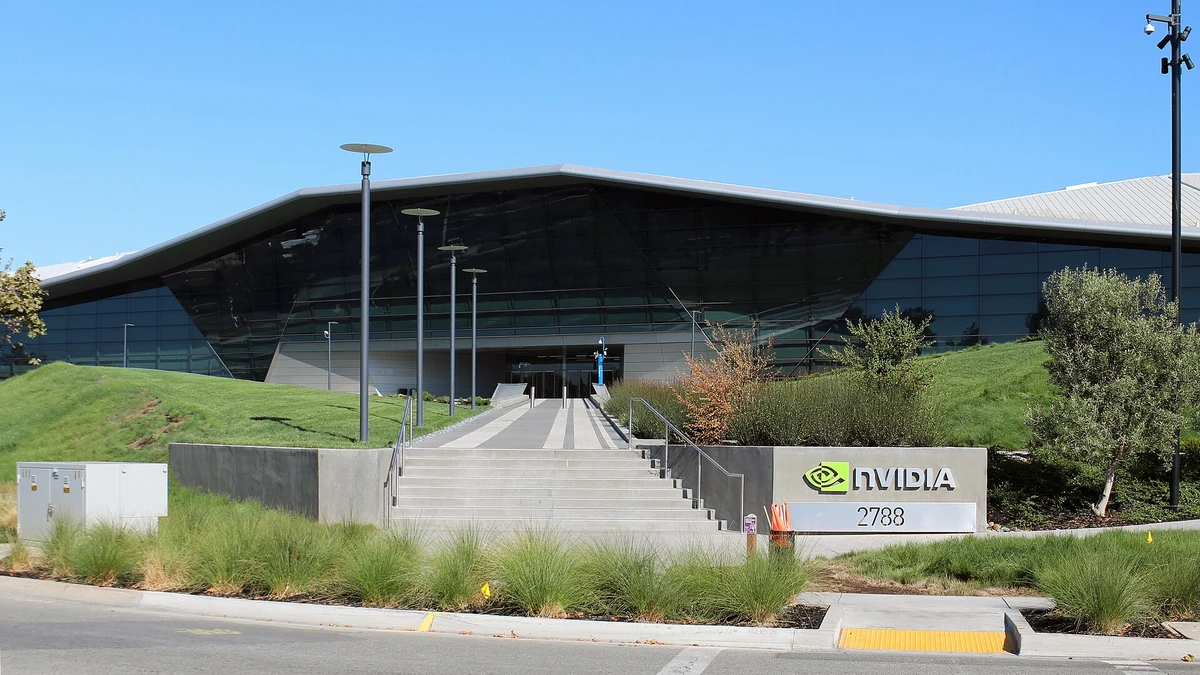
California Attorney General Rob Bonta served an investigative subpoena on Nvidia on Thursday, opening a state probe into whether the chipmaker’s advanced chips or confidential information reached China and whether the company misled investors about the risk.
The California Department of Justice said the information obtained through the subpoena will help it evaluate whether Nvidia’s actions violated California law. The subpoena is an evidence gathering step: it compels the company to hand over information, but it does not by itself accuse Nvidia of a crime, and no lawsuit, charge or finding of wrongdoing has been announced.
“The conduct of Nvidia and its former CEO raises bright red flags, including about the ways in which the company may have misled investors,” Bonta said. “My office is investigating whether Nvidia or Jensen Huang’s actions resulted in China obtaining advanced chips or confidential information, and if Nvidia misled investors and the public about this risk, in violation of the law.”
“Nvidia is in a messy, transnational situation but the underlying principle of our corporate securities law is clear: Companies cannot mislead their investors,” Bonta added.
What the subpoena covers
California subpoenas Nvidia to answer two central questions: whether its advanced chips or confidential information may have gone to China, and whether the company misled investors and the public. The answers will help determine whether Nvidia’s actions violated California law, the office said.
The scandal behind the probe
The subpoena follows the abrupt resignation of Nvidia co-founder and former chief executive Jensen Huang last week. Huang stepped down after reports that he had extramarital affairs, including one with Chinese businesswoman Alice Huang, who has no relation to him, and two with Nvidia employees, Reuters reported.
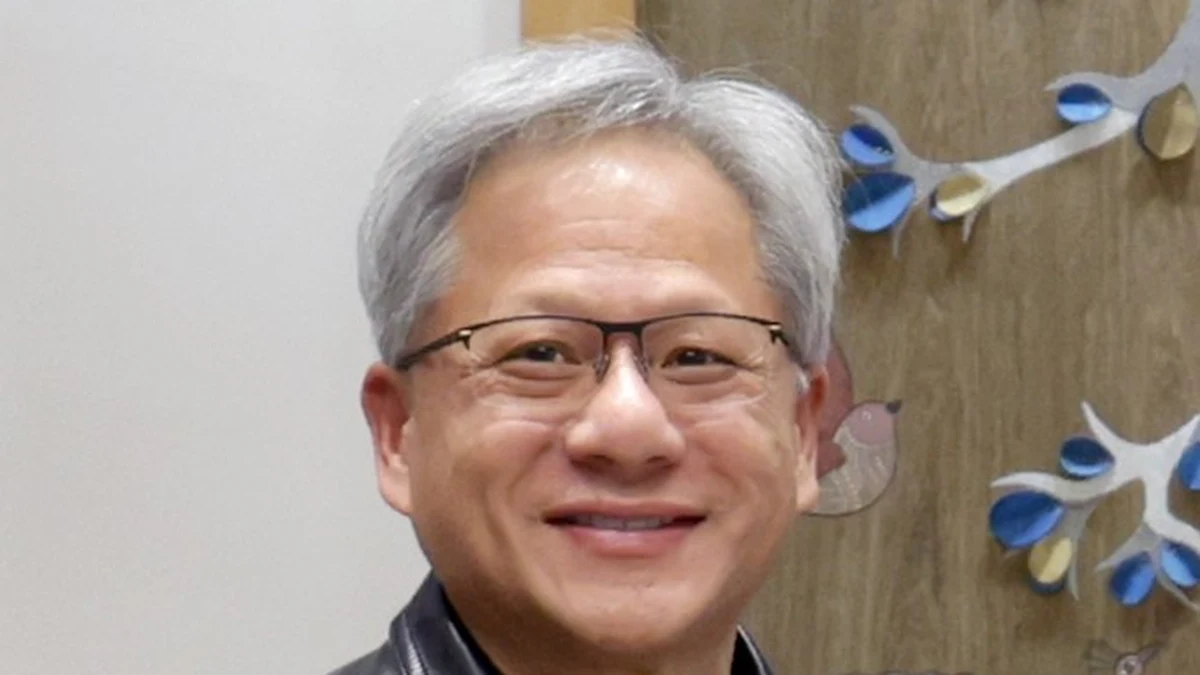
Former Nvidia CEO Jensen Huang. Image: Prime Minister’s Office, India, via Wikimedia Commons (GODL-India).
US intelligence officials suspect Alice Huang, a former executive at Megaspeed International, a Singapore-based Nvidia customer, of ties to China’s Ministry of State Security, according to reports cited by Reuters. China has rejected the espionage allegations, and neither Huang has been charged with any crime.
On November 8, Huang told Nvidia employees in a message that he had been unfaithful to his wife and apologized, and the company’s board said it had opened an independent investigation into reports that Huang was the target of a foreign intelligence effort. The board said at the time that it had no reason to believe national security or Nvidia secrets were compromised. Huang resigned on November 12, and longtime chief financial officer Colette Kress stepped in as interim chief executive.
Huang has agreed to testify before Congress, with a transcribed interview scheduled for December 1. The US Securities and Exchange Commission is also reported to be examining Nvidia’s disclosures, according to sources cited by the New York Post. The SEC declined to confirm the probe.
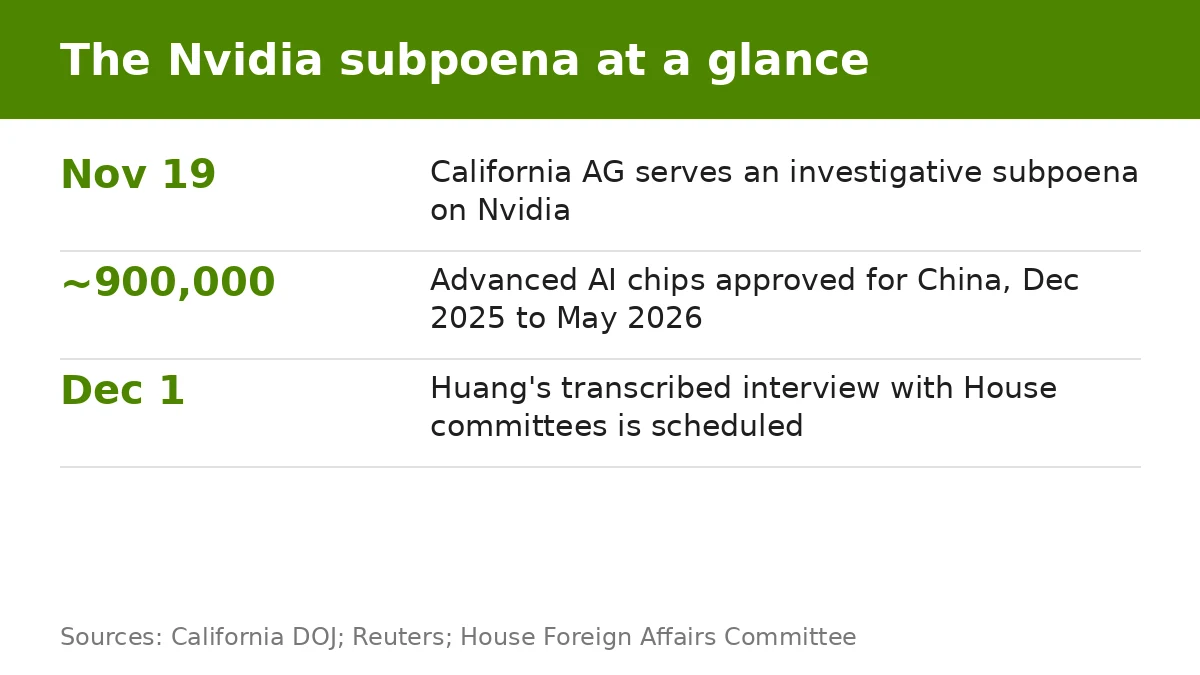
Key facts in the California subpoena of Nvidia. Graphic: GPTOnline.
The chip export question
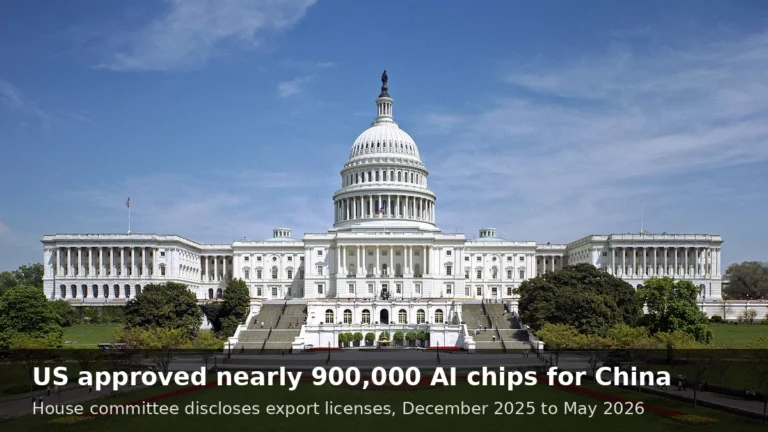
The California probe lands days after a separate disclosure about US chip exports to China. The House Foreign Affairs Committee said on Thursday that the Trump administration had approved shipments of nearly 900,000 advanced Nvidia and AMD AI chips to Chinese companies between December 2025 and May 2026, although it was unclear how many were ultimately shipped. GPTOnline reported on that disclosure earlier.
Nvidia said the approvals were subject to strict conditions and limited volumes, and that it had stopped shipping H200 chips to China. The California attorney general’s office has not said whether the subpoena relates to those approved shipments or to separate transfers.
Why it matters
California’s move adds state-level legal pressure to a crisis that already spans Congress, federal regulators and Nvidia’s own board. Nvidia is the world’s largest chipmaker and the central supplier of the AI boom, so questions about who received its most advanced chips, and what investors were told about the risks, carry weight well beyond one company.
For now, the key facts remain unresolved: whether any restricted chip or confidential information reached China, and whether Nvidia’s public statements misled investors. The subpoena is designed to answer those questions, and Bonta’s office has not set a timeline for its findings. Nvidia did not immediately respond to a request for comment from CBS News, according to the network’s Bay Area station.
Sources
- California Department of Justice, “Attorney General Bonta Serves Investigative Subpoena on Nvidia”
- Reuters, “California AG subpoenas Nvidia over concerns about former CEO, China ties”
- CBS News, “California AG subpoenas Nvidia over Jensen Huang’s affair with alleged Chinese spy”
- TechCrunch, “The unfolding Jensen Huang scandal: a timeline”
- New York Post, “SEC probing Nvidia after Jensen Huang’s shock exit”