The U.S. Securities and Exchange Commission is probing Nvidia’s accounting practices, Reuters reported on Friday, citing two people briefed on the matter. The report is the first to identify the focus of an SEC inquiry that The Wall Street Journal first disclosed on Tuesday, and it lands as Nvidia’s shares slide and Washington’s scrutiny of the chipmaker widens.
What Reuters reported
According to Reuters, SEC enforcement staff are scrutinizing potential accounting issues at the company. A spokesperson for the SEC declined to comment, and spokespeople for Nvidia did not immediately respond to requests for comment.
Reuters said it could not immediately determine when the SEC opened its inquiry or exactly what potential accounting issues the watchdog is examining. That caution matters: an investigation is not evidence of wrongdoing, and many SEC inquiries close without resulting in enforcement action.
Still, the accounting focus is a material new detail. When the Journal first reported the probe on Tuesday, it said the focus of the investigation could not immediately be learned. Reuters is now reporting that focus for the first time, and the news deepened a selloff that has already cut Nvidia’s market value by more than a third. GPTOnline covered the Journal’s original report on November 17.
The Singapore revenue question
At the center of the renewed scrutiny is a change Nvidia made last year in how it reports geographic revenue. The company switched from reporting revenue by customer billing address to reporting it by customer headquarters, saying the change would better reflect the geographic profile of its revenue. The switch removed Singapore from its geographical breakdown.
The Financial Times reported on Tuesday, citing company accounts, that Nvidia made the change even as Singapore sales soared to almost half of its global revenue.
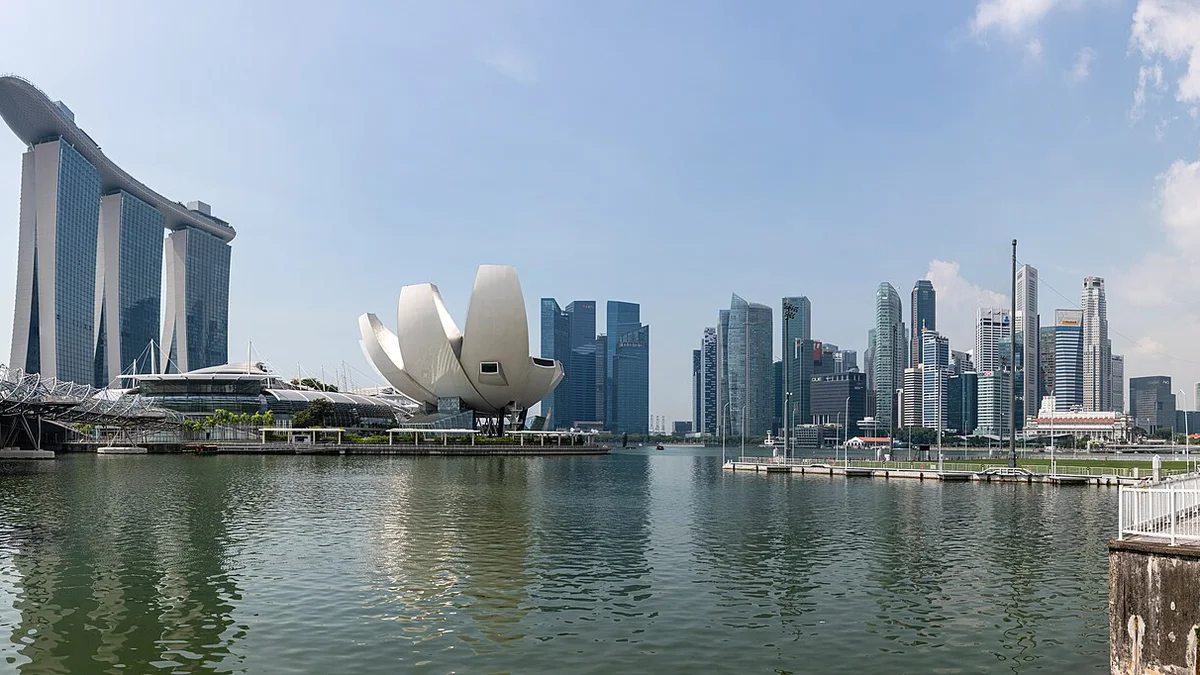
Singapore’s Marina Bay. Nvidia removed Singapore from its geographic revenue breakdown last year. Image: Dietmar Rabich / Wikimedia Commons (CC BY-SA 4.0)
Singapore has become a focal point because it sits at the heart of the scandal that has engulfed Nvidia. Alice Huang led Singapore-based Megaspeed, historically a large Nvidia chip customer, and U.S. authorities have been investigating Megaspeed since 2024 over possible violations of export controls tied to alleged shipments of Nvidia AI chips to China. Megaspeed has said Alice Huang left the company in August 2025 and that it conducted “lawful business.” China has denied that she is a spy, and Jensen Huang admitted to an affair in a November 8 statement without referring to her by name.
Southeast Asia has become a hub for chip smuggling to China since the Biden administration barred advanced AI chip exports to that country over concerns they could boost Beijing’s military, Reuters noted.
A widening legal pileup
The SEC probe is the latest of Nvidia’s legal troubles. The Justice Department has also been reviewing Nvidia’s $12.9 billion deal to buy open-source platform Hugging Face alongside a broader antitrust investigation into the company’s acquisitions and practices, Reuters reported last month.
The SEC’s interest also fits a wider pattern. Speaking to Reuters last month, SEC enforcement chief David Woodcock said the agency was examining AI companies’ corporate disclosures to ensure issuers are giving investors the full picture on potential risks. The SEC under President Donald Trump has pulled back on enforcement in some areas, saying it will focus on bread-and-butter securities fraud, including accounting violations. It recently launched a new financial reporting and accounting unit within its enforcement division.
Analysts and investors have also grown increasingly concerned about circular AI financing deals, in which chipmakers have pursued complex financial arrangements to help customers fund purchases of their chips and the construction of costly AI infrastructure. Critics say such arrangements can make it harder for investors to assess the quality of chipmakers’ revenue and their true financial exposure. On its Tuesday earnings call, Nvidia interim CEO Colette Kress said the company was proud of its role in supporting the AI industry but would be far more selective moving forward about AI industry financing deals.
Market reaction

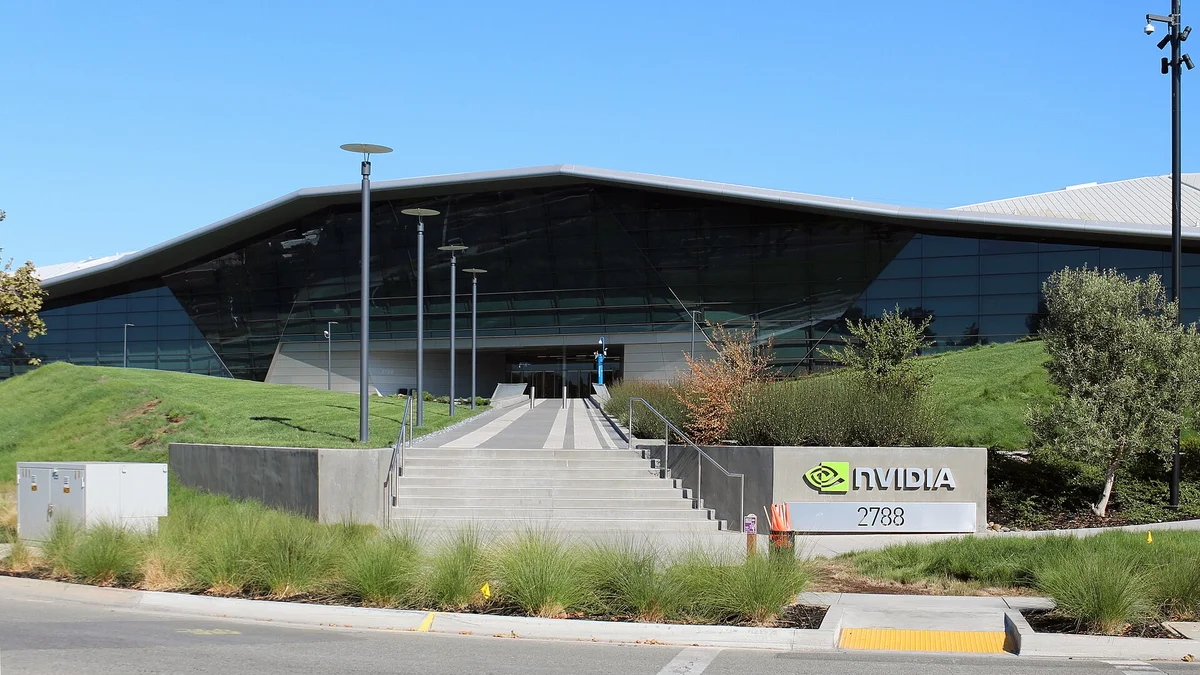
An aerial view of Nvidia’s Santa Clara campus. Image: Dicklyon / Wikimedia Commons (CC BY-SA 4.0)
Nvidia shares fell 12% on Friday, sliding for a seventh straight day, MarketWatch reported. The stock is now down more than 43% from its peak close in early October and is headed for a seventh straight weekly decline, a stretch not seen since 2008.
The slide is striking because it comes just days after Nvidia reported a $115.8 billion quarter, up 103% from a year earlier, its first earnings report since Jensen Huang stepped down as chief executive. Strong results have not been enough to steady investors while the leadership crisis and the regulatory probes remain unresolved.
Why it matters
For the AI industry, the accounting probe raises the stakes beyond the personal scandal that forced out Nvidia’s founder. Nvidia is the linchpin supplier of the AI boom, and questions about how it reports revenue go directly to how investors judge the durability of AI demand. If the SEC finds disclosure problems, the consequences could range from restated figures to enforcement action, and the scrutiny is already reshaping how the company talks about financing deals with its customers.
For now, the key facts are narrow: the SEC is looking at Nvidia’s accounting, the precise issues under examination are not public, and no wrongdoing has been established. But with the probe now public, the company’s next disclosures will be read far more closely than before.
Sources
- Nvidia’s accounting is a focus of US SEC investigation, sources say, Reuters, November 20, 2026
- Nvidia’s stock heads for a stretch of weekly losses unseen since 2008, MarketWatch, November 20, 2026
- SEC Is Investigating Nvidia Over Whether Disclosures Misled Investors, WSJ Reports, GPTOnline, November 17, 2026