
Updated October 28, 2026
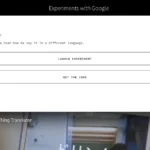
Historical screenshot of the Thing Translator experiment page; capture date is unknown. The pictured Launch experiment control does not establish current availability: the official page now marks the experiment inactive.
| Field | Details |
|---|---|
| Name | Thing Translator |
| Overview | Thing Translator was a camera-based language experiment: photograph an object to hear its name in another language. The official Experiments with Google page now marks the experiment as no longer active. It credits Dan Motzenbecker, working with friends at Google Creative Lab, and identifies Google’s Cloud Vision and Translate APIs as the underlying services. This is an object-recognition and vocabulary demonstration, not a speech, lecture, podcast or live-conversation translator. |
| Key features & benefits |
Recognition and translation accuracy were not tested for this review. The old project description is not a guarantee of current availability. |
| Use cases and applications |
|
| Who uses? |
The concept may interest language learners, foreign-language students, travelers, tourists, multilingual users and international business professionals. Developers can also examine the public code. These are possible learning audiences, not a claim that the inactive experiment is suitable for dependable travel or business translation. |
| Pricing | The project page does not publish a current consumer subscription or tariff. Do not treat publicly available source code as an unlimited free hosted service. The repository says a developer fork needs its own Google Cloud API keys; any underlying service requirements and costs must be checked separately. No account, API key, billing setup or payment was used for this review. |
| Tags | AI, Translation, Language Learning, Google Experiments |
| App available? | The repository describes a web application intended for a phone or laptop, while the official project page marks the experiment inactive. Current browser/device compatibility and a standalone mobile app were not verified. |
Sources and current status
Checked October 28, 2026: official Thing Translator project page and its linked creator’s source repository. The project page dates the experiment to May 2017. The repository still contains a demo link, but that older invitation does not override the official inactive-status notice. No shutdown date or replacement product is inferred, and no demo, camera capture or translation output was tested.