What SpaceX Announced
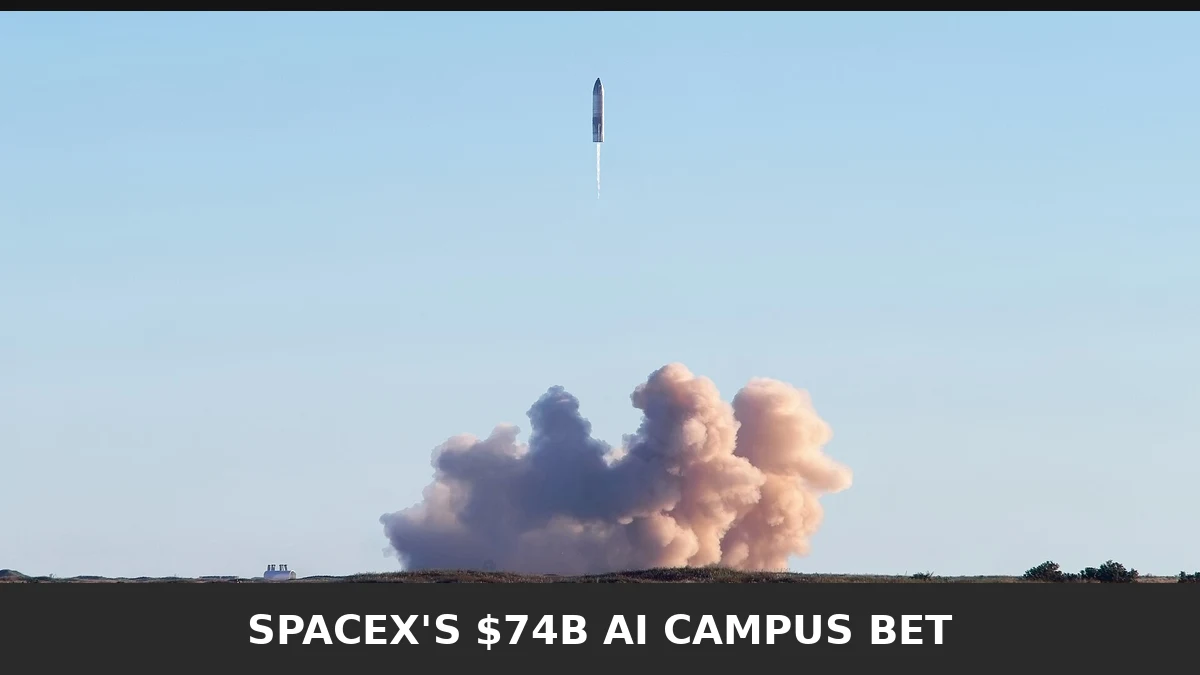
SpaceX said on Thursday that it plans to invest more than $74 billion in two supercomputing campuses, one at its Starbase site in Texas and one in Cochise County, Arizona, Reuters reported, citing a company statement. The announcement expands the company’s artificial intelligence computing ambitions well beyond its rocket and satellite businesses.
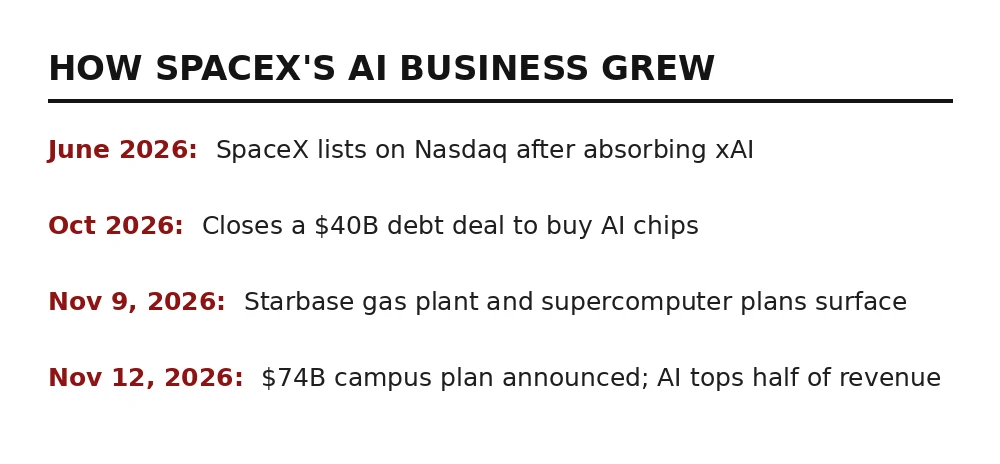
The timing is no coincidence. The AI segment of the Elon Musk-led company, which went public in June, generated more than half of its revenue in the third quarter, Reuters reported. SpaceX is no longer mainly a launch company that dabbles in AI. AI computing is now its largest source of revenue, and the two new campuses are the physical bet behind that shift.
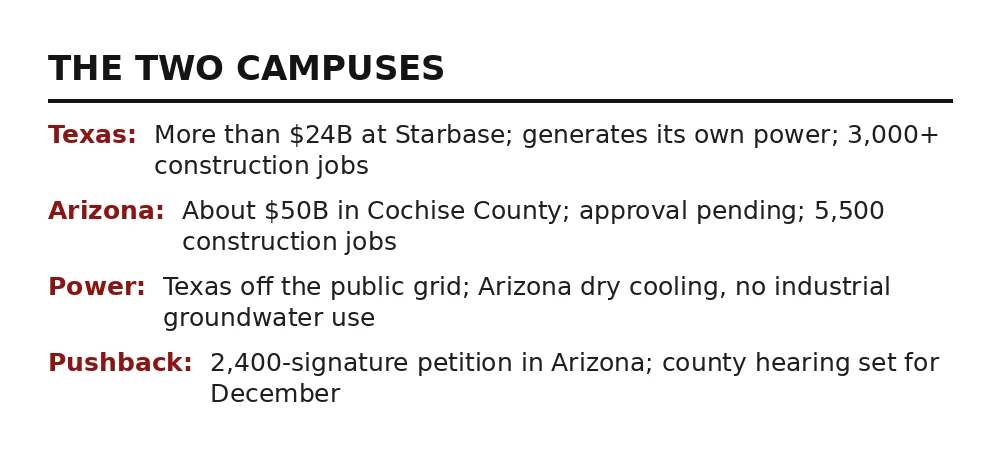
SpaceX expects to spend more than $24 billion on the Starbase site and roughly $50 billion on the Arizona campus, according to the statement.
Two Campuses, Two Price Tags
The Texas project is the further advanced of the two. The Starbase facility would generate its own electricity rather than draw from the public grid, and a city notice this week showed plans for a gas-fired power plant and supercomputing facility on about 444 acres. The Starbase City Commission is due to consider a property tax abatement for the project on December 9. SpaceX said the Texas project had already generated more than 3,000 construction jobs and would support more than 500 permanent jobs once operational.
The Arizona campus carries the larger price tag and the longer approval path. It still needs approval from Cochise County, and would create about 5,500 construction jobs and 1,000 permanent jobs. SpaceX said it was working with local electric cooperatives and that the project could cut bills for cooperative members by up to 20 percent. The campus would use dry cooling, with no planned industrial groundwater use, a detail that matters in a desert county where water is a sensitive issue.
The Arizona project is not without opposition. A petition with 2,400 signatures has asked officials to deny the permit, and a county public hearing is set for December.
AI Is Now More Than Half the Business
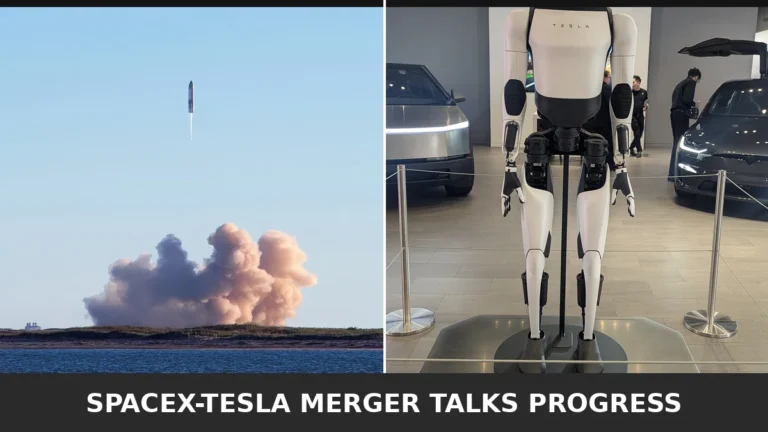
The scale of the announcement makes more sense in the context of what SpaceX has become in 2026. The company absorbed Musk’s AI company xAI earlier this year and listed on Nasdaq in June. It is now in merger talks with Tesla, GPTOnline reported on Thursday, with a deal possibly announced as early as December. Tesla, SpaceX and xAI are jointly building Terafab, a chip project with a reported $16.8 billion initial investment.
The campuses also fit a pattern of aggressive AI infrastructure spending by the company. SpaceX closed a $40 billion debt deal in October to buy AI chips, and its Starbase supercomputing plans have been taking shape in public filings for weeks. The two campuses announced on Thursday turn that spending into a concrete, multi-year construction program.
What SpaceX has not said is how much computing capacity the two campuses will deliver, or when they will come online. The statement covered investment, jobs and power, not gigawatts or timelines. That leaves the most important technical question unanswered for now.
Why It Matters
A $74 billion campus program puts SpaceX among the largest private builders of AI infrastructure in the United States, alongside the hyperscalers it now supplies and competes with. The company’s pitch is vertical integration: it builds the rockets, operates the satellites, trains the models through xAI, and now wants to own the power plants and data centers that run them.
The power strategy is the part to watch. Generating its own electricity in Texas, using dry cooling in Arizona and promising lower bills for cooperative members are all answers to the two questions every large AI campus now faces: where does the power come from, and what does the local community get in return. The December votes in Starbase and Cochise County will show whether those answers are enough.
For the AI industry, the announcement is another sign that the compute buildout is not slowing. Even as Nvidia, the company that supplies most of the industry’s chips, goes through a leadership crisis, its biggest customers and challengers are still committing tens of billions of dollars to new capacity.