Meta is giving its Muse personal AI agent a voice. The company said on November 5 that it is rolling out real-time voice conversations and expressive avatars in the Muse app on mobile, web and Mac, turning what began as a text-based assistant into a conversational companion you can talk to out loud.
The feature was previewed at Meta Connect 2026 in September. Now it is rolling out in the United States first, with voice conversations on AI glasses and the upcoming Muse Charm device promised soon. Meta chief executive Mark Zuckerberg announced the rollout on Thursday.
Talk It Through With Muse
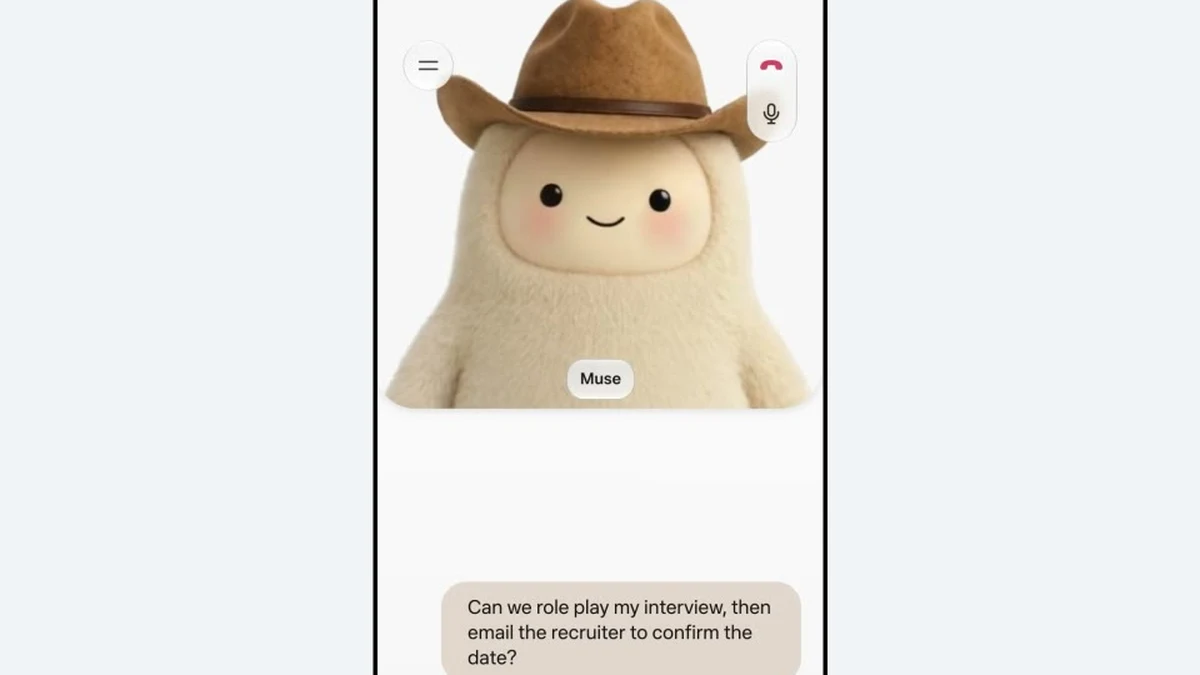
Starting a voice conversation is simple: tap the phone icon in the top-right corner of the Muse app and start talking. Meta says the experience is built for thinking out loud, from sketching a trip idea to rehearsing a job interview or running through a presentation.
“Our Muse Realtime Avatar and Muse Realtime Voice technology lets you have fluid conversations in real time,” Meta said in its announcement. “Speak to your Muse, as you do with real people. Hear responses right away. You can even interrupt if you need to.”
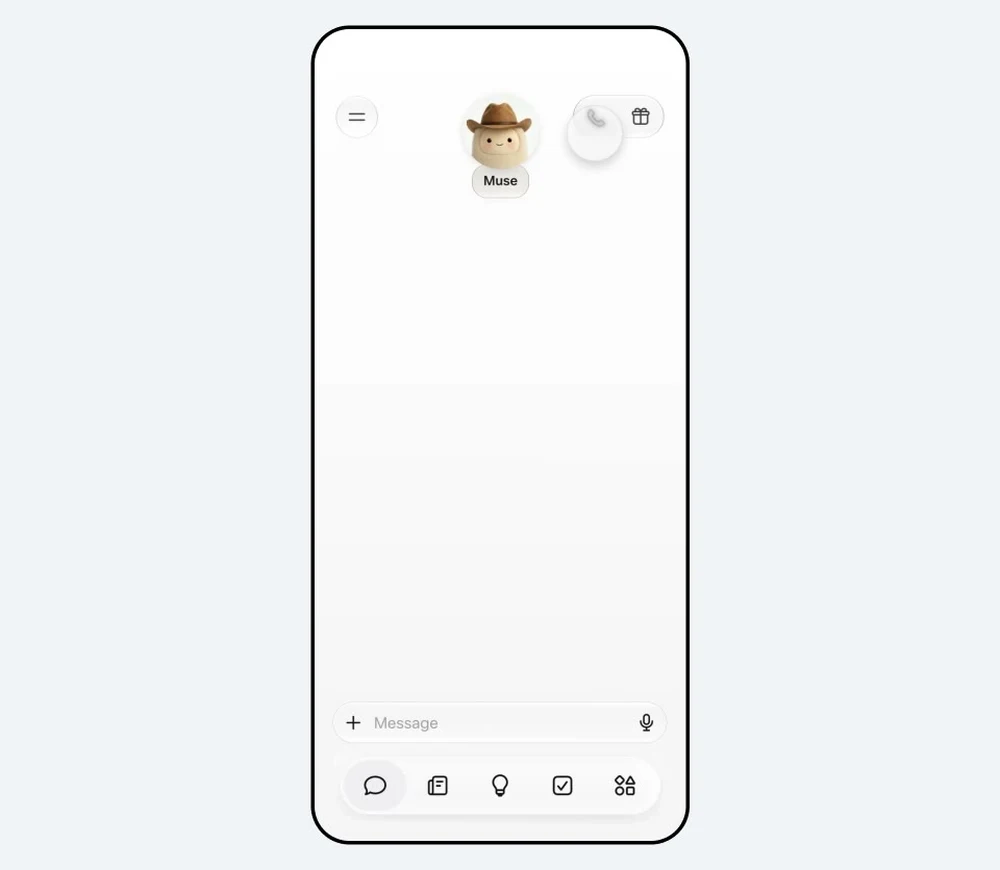
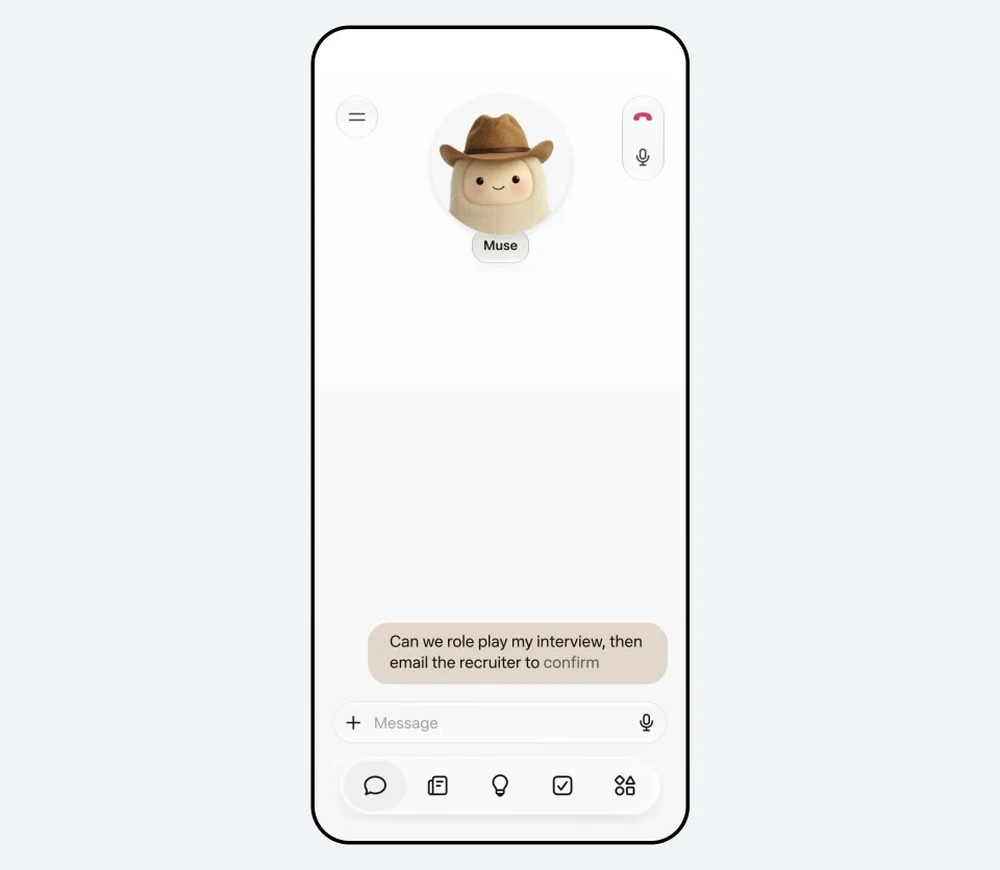
While you talk, Muse keeps working in the background. That is the key difference from a standard voice assistant, according to Meta: you can hold a long, in-depth conversation while the agent carries out tasks, such as drafting an email to a recruiter after a mock interview.
An Avatar That Reacts in Real Time
As Muse speaks, the avatar uses subtle expressions and gestures that match the tone of the conversation. It reacts while you talk, so you can tell it is following along. You choose how present the avatar is: voice only, the avatar alongside your conversation, or full screen when you want to talk face to face.
You can also give your Muse a voice with some personality. Meta offers hundreds of voices to choose from, and you can describe the style you want, from the energy of a New Yorker to the flair of a pirate, and change it whenever you want.
Why It Matters
Voice is the next battleground for personal AI agents. OpenAI’s ChatGPT voice mode, Google’s Gemini Live and Amazon’s Alexa+ already let users talk to their assistants, and Meta is betting that an expressive avatar that reacts in real time will set Muse apart. The company introduced Muse in September 2026 as its personal agent, built on the Muse Spark model family, and has been expanding it quickly across apps, the web, Mac and, soon, glasses and a pocket-sized device.
The rollout also shows how fast Meta is moving to make Muse feel less like a chatbot and more like a presence. A voice you can interrupt, an avatar that listens visibly, and an agent that works while you talk all point in the same direction: the interface is disappearing, and the conversation is becoming the product.
Availability
Meta Muse voice mode is rolling out now in the Muse app in the US. Meta has not given a date for other countries, or for the arrival of voice conversations on AI glasses and Muse Charm, saying only that both are coming soon.