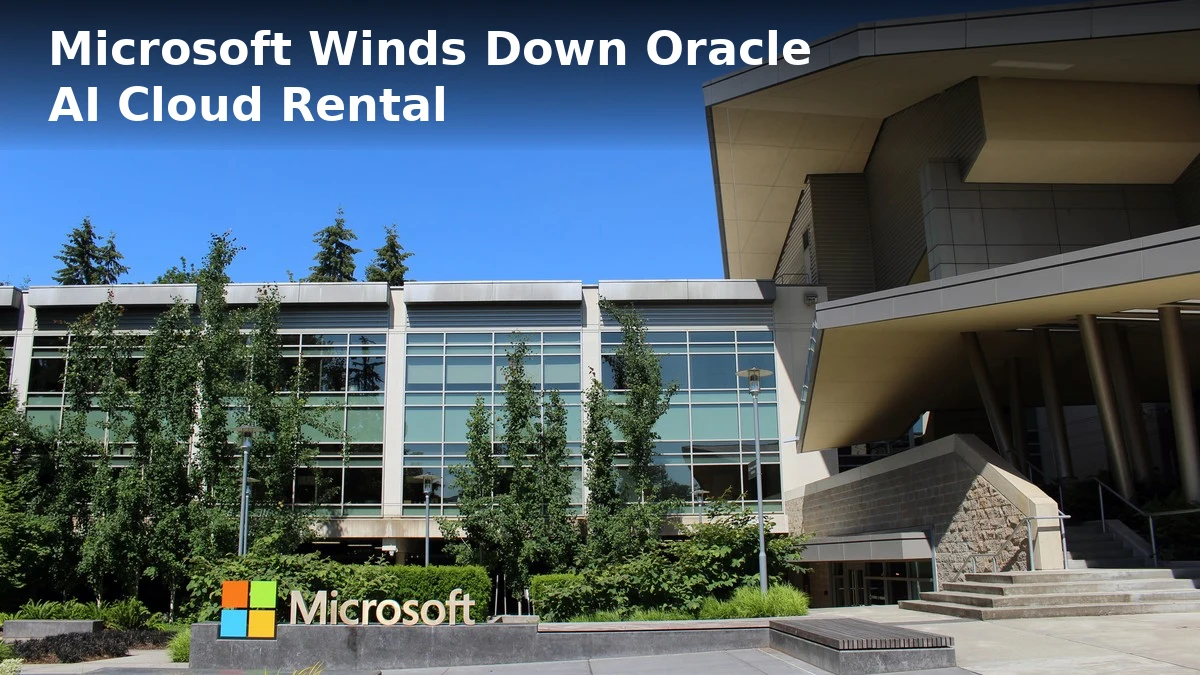
Microsoft is winding down its arrangement to rent Oracle AI cloud capacity, ending a deal that dates back to 2023, Bloomberg News reported on Friday, citing people familiar with the matter. The move is part of a broader reassessment of cloud partnerships worth billions of dollars, and it shows how quickly rented AI capacity can lose its value when the hardware underneath it falls behind.
According to the report, Microsoft has been turning off rented computing capacity from Oracle in recent months after declining to renew the contract. Over time, the capacity Microsoft was renting became less valuable because it no longer met the company’s evolving needs. The Oracle hardware used an older generation of Nvidia chips, and as Microsoft’s AI workloads changed, that hardware delivered less computing power for the electricity and money spent.
What was the deal?
Microsoft signed the rental agreement in 2023, when it needed extra computing power in a hurry for a new AI-assisted version of its Bing search engine. Renting from a rival cloud provider was a stopgap while Microsoft built out its own sites. Azure workloads could burst onto Oracle Cloud Infrastructure, where large pools of Nvidia GPUs were available, and the results synced back to Azure.
The arrangement was one of several large cloud partnerships Microsoft struck during the AI buildout. Bloomberg also reported that talks in June over a lease of roughly $3 billion of Oracle capacity stalled over security and compliance requirements, including Oracle Cloud Infrastructure’s lack of FedRAMP certification, the U.S. government’s authorization program for cloud services.
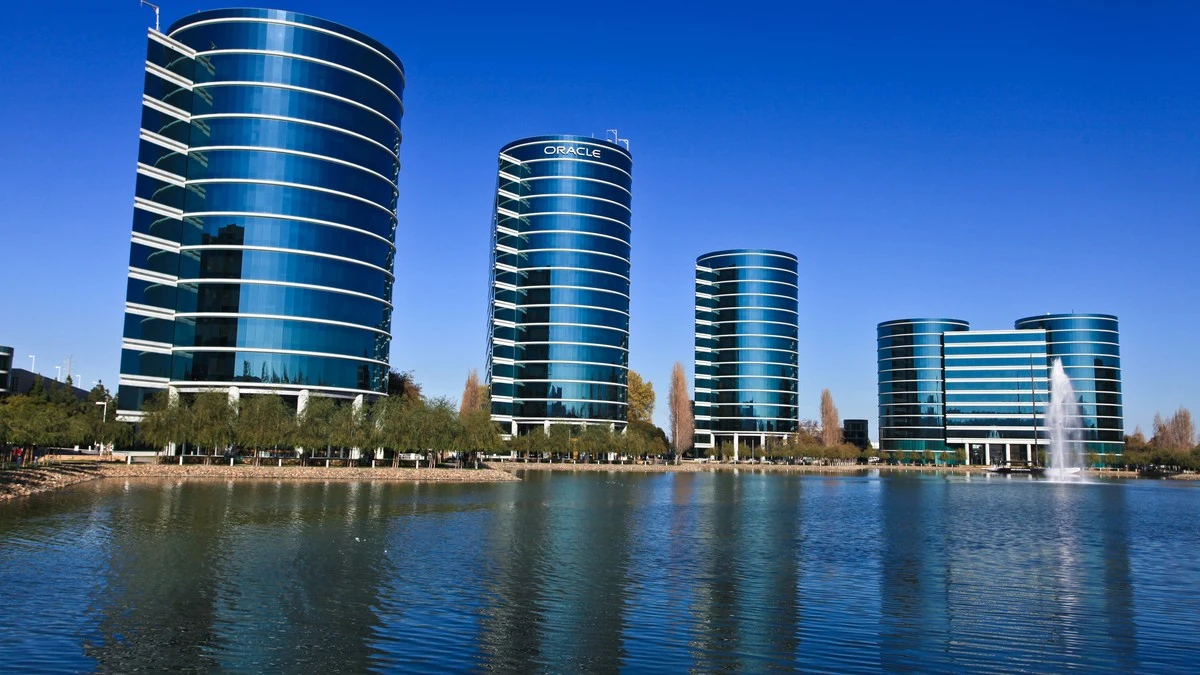
Oracle headquarters in Redwood Shores, California. Image: Wikimedia Commons (CC BY 2.0).
Why Microsoft is walking away now
The decision looks less like a retreat from AI spending and more like a quality filter. Microsoft has been racing to add its own capacity, with custom silicon and new regions, so the need to rent from a direct competitor keeps shrinking. When the rented hardware no longer matches the workloads it is meant to run, the economics stop working, even if the headline capacity numbers look large.
Reuters also noted that IREN, a data center developer tied to Microsoft, said Microsoft-requested network design changes pushed back its timeline to bring more than $4 billion in annualized revenue capacity online. The detail underlines the same point: Microsoft is reworking its infrastructure plans around what its own systems need, not around capacity rented from others.
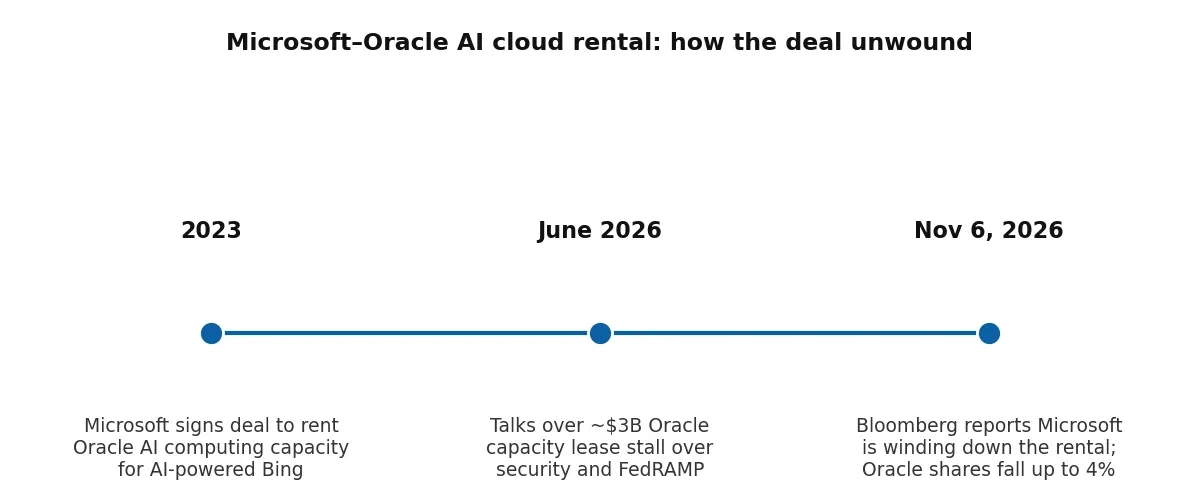
GPTOnline chart based on Bloomberg reporting via Reuters.
Market reaction
Oracle shares fell by as much as 4% on Friday as the news spread, and were down nearly 3% in afternoon trading. Microsoft shares were little changed on the day. Microsoft declined to comment, and Oracle did not immediately respond to Reuters’ request for comment. The full value of the Oracle arrangement could not be determined, according to the report.
The market reaction says something about how investors now read the AI infrastructure boom. Oracle had positioned itself as a major beneficiary of AI demand, and a pullback from one of its largest customers, even for older hardware, was enough to move the stock. At the same time, Microsoft’s flat share price suggests investors see the move as housekeeping, not a change in its AI ambitions.
Why it matters
The wind-down is a reminder that the AI infrastructure race is not only about how much capacity companies can secure, but about how good that capacity is. GPU generations turn over fast, and a cluster that was cutting edge in 2023 can become a poor fit for the models of 2026. For cloud providers, the lesson is that rental deals tied to aging hardware carry real expiry risk. For Microsoft, the episode fits a wider pattern of reassessing partnerships and bringing more of its AI infrastructure in house.
Nothing in the report pointed to a cut in Microsoft’s overall AI spending. The decision concerns one set of rented capacity that fell short of its requirements, and Microsoft continues to invest heavily in its own data centers. What changed is the calculus: when the hardware is last generation and the workloads have moved on, walking away beats renewing.