xAI has released Grok Bot 1.0, the first full version of its AI agent, turning a personal productivity tool into a teammate that works for a whole team. The company, now presenting itself as SpaceX Super Intelligence, announced the release on November 11, about three months after Grok Bot entered public beta on August 11.
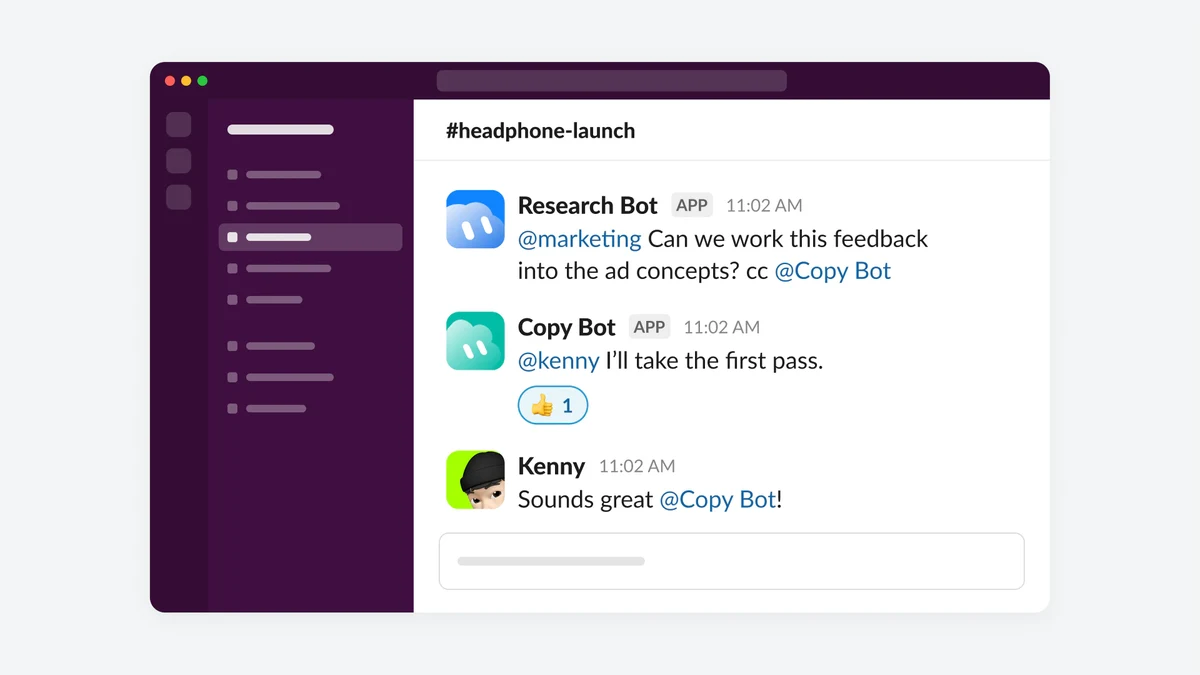
The launch moves Grok Bot from a one-to-one assistant into shared workspaces. Bots can now be shared with a team, join Slack and Microsoft Teams channels, sit in on video calls, and offer to take on work before anyone asks. It is the clearest sign yet that xAI wants its agent to compete directly with team-oriented AI tools from OpenAI and Anthropic, rather than remain a single-user product.
What Was Announced?
Grok Bot 1.0 is built around three changes since the beta, which xAI lists as multiplayer teammates, proactive teammates, and more capable teammates. A Team Bot is shared by everyone on a team, learns from the people it works with, and keeps improving its understanding of the team’s knowledge and preferences over time.
In practice, a Bot can follow a discussion involving several people, understand who is involved, and contribute relevant information or offer to pick up work. During a product launch, for example, a Bot might notice that new customer research points to a different message than the team is considering, bring that into the discussion, and then coordinate with another Bot to update campaign materials once the team agrees on a direction.
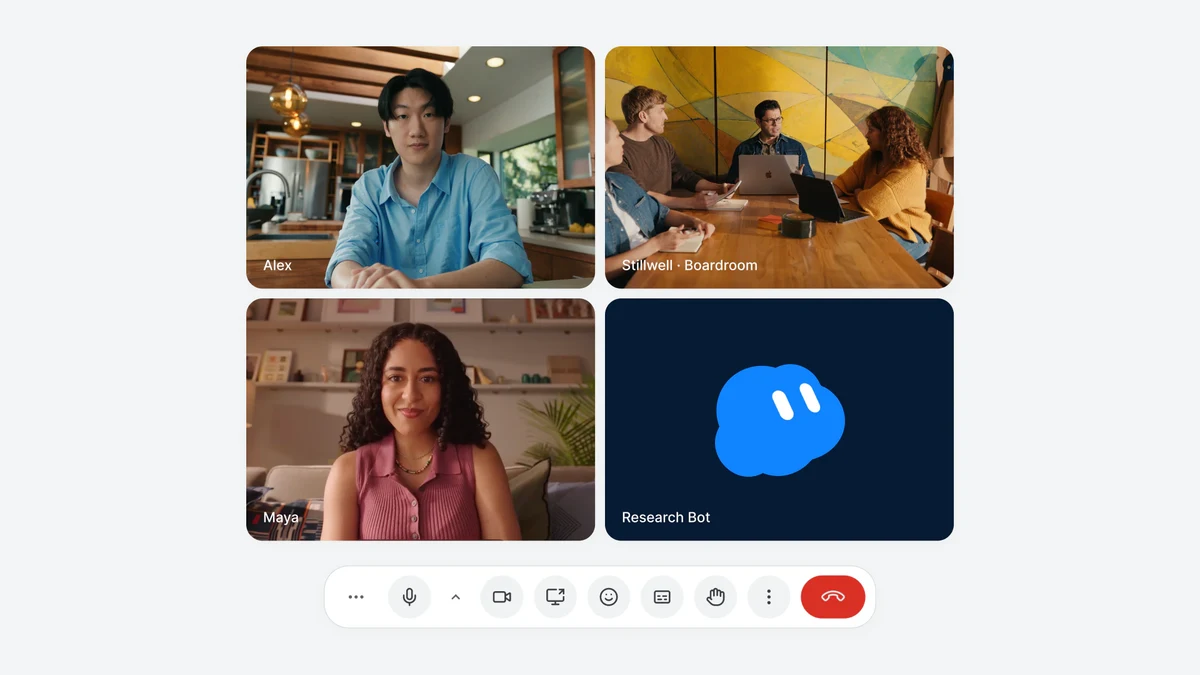
Bots can also join video calls and take part through the chat, bringing information from earlier conversations into the discussion. They keep track of decisions and learn more about the team’s work, which xAI says makes them more useful over time. Meetings are supported on Google Meet, Zoom, and Microsoft Teams, according to xAI’s Grok Bot documentation.
Proactive Work, Not Just Answers
The most notable change is that Bots no longer wait to be asked. According to the announcement, a Bot can monitor ongoing projects, recognize when something needs attention, and suggest next steps based on what it knows about the team’s goals, processes, and priorities. It can follow up on unfinished tasks, coordinate with other Bots, and bring people in when a decision requires human judgment.
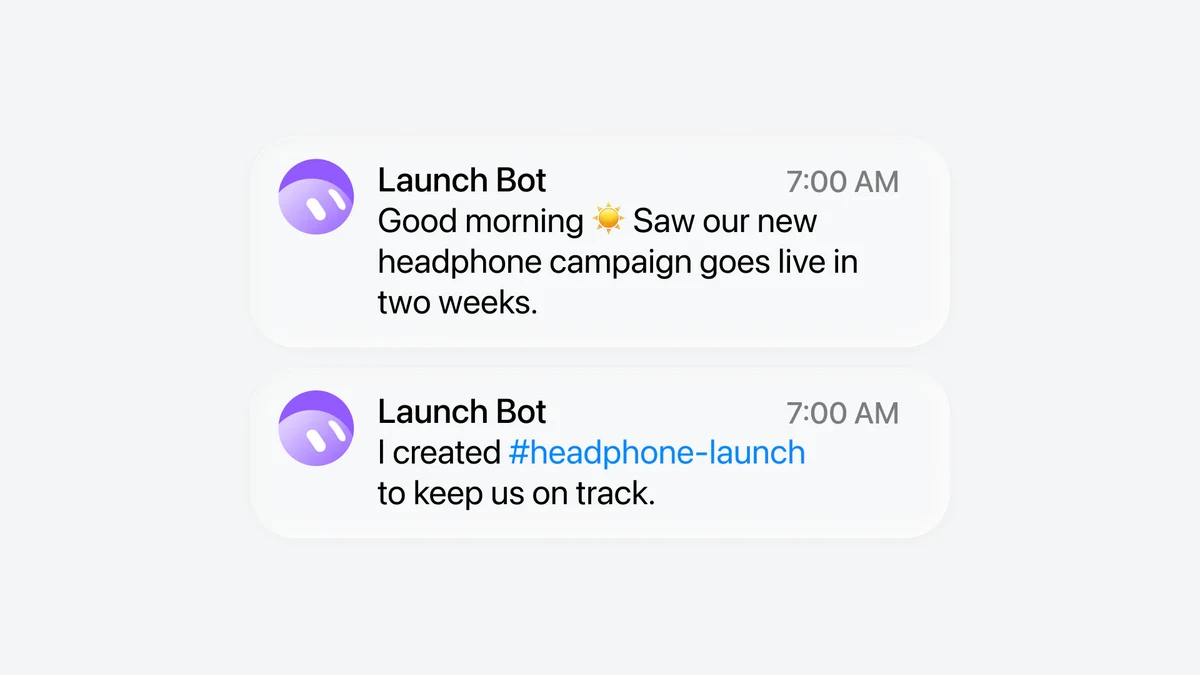
xAI gives the example of a Bot helping with a product launch that notices an upcoming deadline and prepares the materials the team needs. Another example in the announcement shows a Launch Bot creating a shared channel to keep a campaign on track, two weeks before it goes live.
“Grok Bot began as a way to hand off work to an AI teammate. With 1.0, those teammates understand the work your team is doing and the people doing it, so they can contribute like any other colleague,” xAI wrote in the announcement.
More Capable, With Guardrails
The third change covers raw capability. Bots are faster and more reliable at using the browser and completing complex work, including writing documents and building presentations, and they can now create interactive Pages that a team can edit together. They have improved connections to tools such as Gmail, Google Calendar, and GitHub, and xAI says they use resources more efficiently than the beta version did.
Working in shared spaces also brings new safeguards. Bots respect each person’s permissions, ask before taking sensitive actions, and check whether information is appropriate to share in a public channel. When someone teaches a Bot a better way to complete a task, that improvement can benefit everyone who uses it, but learnings wait for review until an owner or manager approves them, according to the Grok Bot changelog.
Pricing and Availability
Grok Bot 1.0 is available now. Anyone can create a Bot for themselves, share it with a team, or bring it into Slack, Microsoft Teams, and video calls. Team Bots are available on Team and Enterprise plans, while Meetings are available on Team, Enterprise, and Ultra plans. Enterprise administrators can turn on Meetings in settings.
xAI published no price and no performance figure with the launch, so the value of the upgrade will have to be judged on how well the Bots actually perform inside real teams. The company did not say which model powers Grok Bot, and its FAQ states there is no model selector: the system decides which model handles each task.
Why It Matters
The 1.0 release arrives 92 days after the beta launch, a fast turnaround for a product that has to prove it can be trusted inside shared company workspaces. Team agents are becoming the next battleground for AI companies: OpenAI, Anthropic, and Google all pitch their agents as colleagues rather than chatbots, and the winner will be decided by reliability, permissions, and how gracefully an agent handles work it was never explicitly asked to do.
For xAI, Grok Bot is also a test of the company’s new identity. The launch is published under the SpaceXSI name, the branding xAI adopted in 2026, and it sits alongside the company’s Grok chatbot and its X subscription bundle. If Team Bots work as advertised, they give xAI a product that lives where teams already work, in Slack, Teams, and meetings, rather than in a separate app users must remember to open.