
Updated October 29, 2026
| Name | Vocads Survey — voice-feedback use cases within VOCADS |
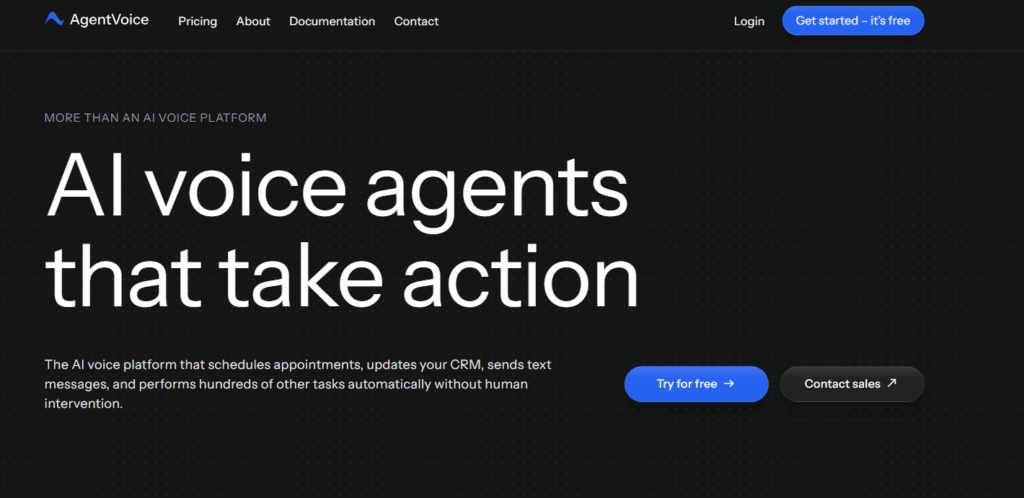
| Overview | VOCADS currently presents a broader voice-agent platform for administration, sales, customer success and support. Survey and market-research uses remain described through its Scarlett agent. This is not evidence that every feature of the earlier standalone survey description is available unchanged, nor that the product has become exclusively a training tool. |
| Key features & benefits |
Comparative response-rate, candour, speed and cost-saving claims were not independently validated. Voice analysis should not be treated as reliable proof of a respondent’s emotions, honesty or intentions. |
| Use cases and applications |
Plan voluntary participation, clear disclosure and human review. Automated follow-up does not remove the need to respect a respondent’s refusal or applicable contact requirements. |
| Who uses? | Market researchers, survey designers, business analysts and customer-experience teams. Privacy and compliance officers may assess the proposed deployment; using the software does not itself establish legal compliance. |
| Pricing | A free trial is advertised, but its current duration, allowance and conversion conditions were not verified. The official pricing link redirected to the homepage without a numerical tariff. The June 25, 2024 sale terms describe prepaid licence subscriptions with response and preview credits, counting answers to individual questions. They also describe automatic renewal unless cancelled at least 90 days before the licence ends. Confirm whether those conditions apply to your current voice-agent offer, along with currency, taxes, call or response units and total charges. A trial is not a permanent free plan. |
| Tags | AI Tool, Voice Survey, Customer Feedback, Survey Creator, Market Research, Voice Agents |
| App available? | The provider links to an online studio and describes phone and web-widget deployments. A dedicated consumer mobile app was not verified. No account, call, recording, survey or installation was tested. |
A hypothetical feedback study
A service team could draft three neutral questions about a completed appointment, explain the purpose and recording arrangements, and offer a non-voice alternative. Review responses for meaning and transcription errors rather than inferring feelings from tone alone. Check whether the sample represents the intended audience before drawing conclusions. This is a planning example, not a survey run for this review.
Privacy and retention need clarification
The October 15, 2024 privacy policy says voice data is not retained after processing. The June 3, 2025 use terms instead describe retaining recordings and transcripts for up to 12 months, with client-request or legal exceptions and longer retention of anonymized improvement data. The sale terms describe another licence-based retention framework. These statements should not be combined into a blanket immediate-deletion promise; obtain written clarification for the specific workflow.
The published policies describe recording, transcription, analysis, service improvement and service-provider involvement. Their GDPR and data-sovereignty statements are provider claims, not an independent legal or security certification. Clarify consent, recipients, storage locations, deletion and access before collecting employee or customer information. The privacy policy also contemplates safeguarded transfers outside the EEA, so do not assume all processing necessarily remains in one country.
Sources checked October 29, 2026 UTC: official website, market research, sale terms, use terms and privacy policy. This overview is not legal advice or a product-performance test.