
Chip startup Tenstorrent has raised $1.5 billion in a Series E round that values the Toronto-based company at $6.2 billion, Reuters reported on October 20, as the race to build AI accelerators outside the Nvidia ecosystem heats up.
What Was Announced?
The round was co-led by Meritech Capital and Atreides Management, with participation from Fidelity Management & Research Company, Maverick Capital, Baillie Gifford and Samsung Securities, according to Yahoo Finance. CEO Jim Keller said the company will use the funding to scale production of its Galaxy systems, expand its engineering organization and accelerate development of next-generation AI hardware.
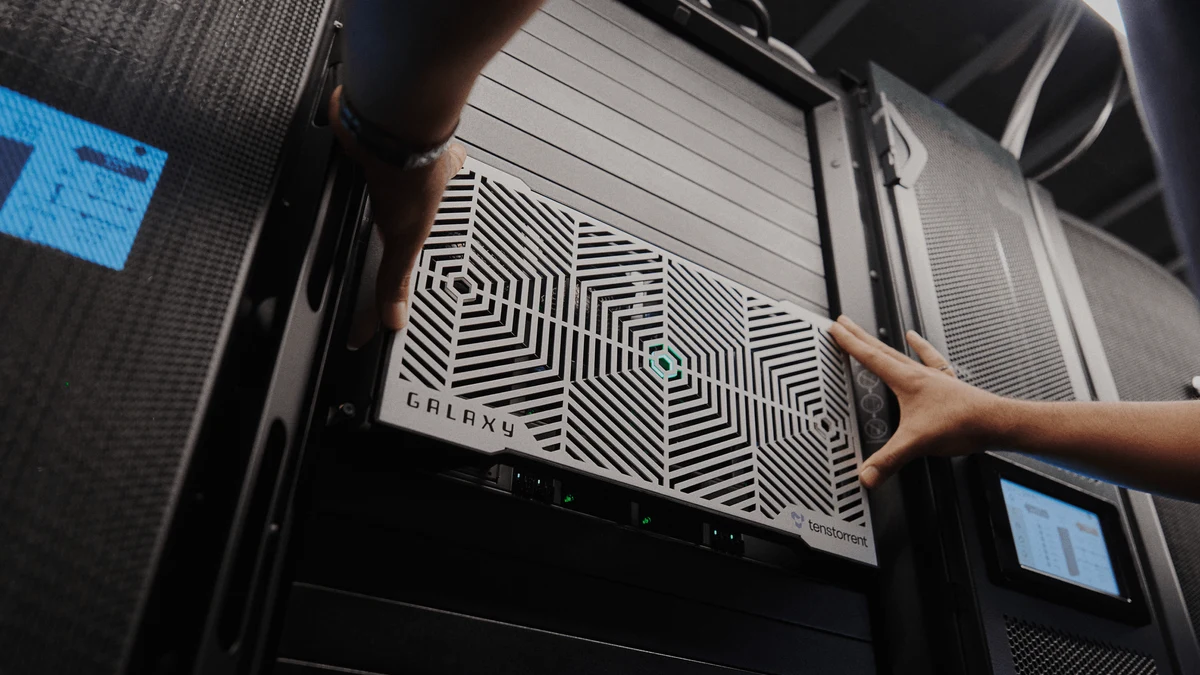
Tenstorrent designs AI processors based on the open RISC-V instruction set, an approach that lets customers customize silicon rather than depend on proprietary architectures. Its flagship product line, Galaxy, combines the company’s Wormhole and Blackhole chips into rack-scale systems aimed at data-center AI workloads.
The Open Alternative to Nvidia
Tenstorrent’s pitch is openness at every layer: open RISC-V cores, open software stacks and hardware customers can inspect and modify. That positioning has attracted customers wary of vendor lock-in as AI infrastructure spending explodes.

Image: Tenstorrent
The company says its architecture is designed to be dramatically more cost-efficient than incumbent GPUs for many AI inference and training workloads. With the new capital, Tenstorrent plans to push its systems into wider commercial deployment and take on larger data-center contracts.
Investors Bet on Silicon Independence
The $6.2 billion valuation makes Tenstorrent one of the most valuable AI chip startups in North America, and the round’s investor roster, spanning Fidelity, Maverick and Samsung Securities, signals mainstream financial conviction that the AI hardware market can support serious challengers.
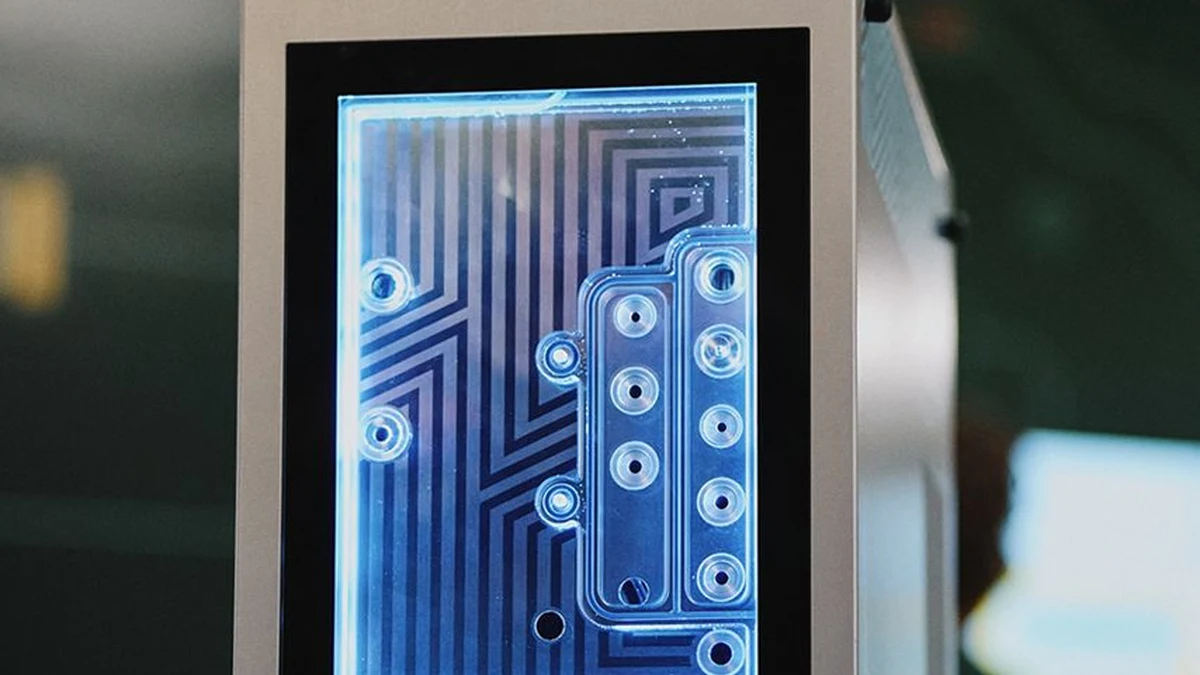
Image: Tenstorrent
Notably, the raise comes as governments and hyperscalers alike seek alternatives to a single dominant GPU supplier. Open-architecture silicon from companies like Tenstorrent is increasingly framed as a strategic asset, not just a cheaper option.
Why It Matters
Every major AI lab is hunting for compute, and whoever controls the chips controls the economics of the AI boom. Tenstorrent’s $1.5 billion war chest gives the open-silicon camp its best-funded champion yet. If its RISC-V systems deliver on the cost-efficiency promise at scale, the AI hardware market could look far more plural, and far more competitive, than it does today.