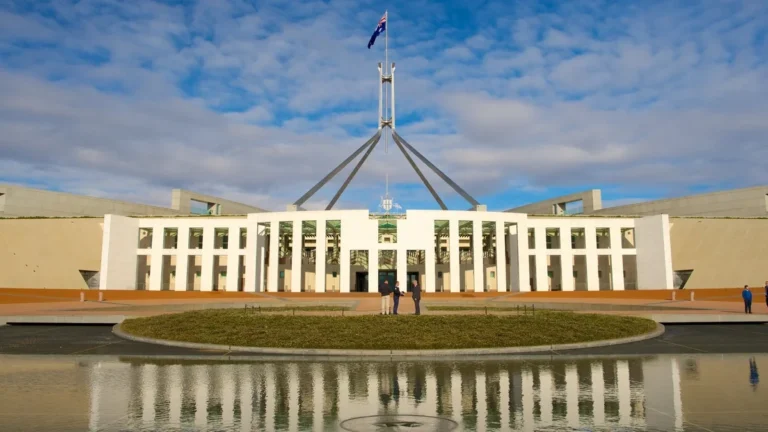
Six governments and 10 AI companies signed a joint declaration on frontier AI safety in Paris on Monday, November 9, committing to shared evaluations of advanced models, rapid incident reporting and fail-safe mechanisms that can shut a model down. The Paris Call for AI Safety and Security, published by the Canadian Prime Minister’s Office and the French presidency, is the latest international pledge to govern frontier AI, and it arrived on the same day Australia adopted mandatory AI safeguards of its own.
“We reaffirm our shared interest and common responsibility in building advanced artificial intelligence that is safe, secure, useful, and widely available to all,” the declaration states. “No actor, be it a State, a company or an international organization, can solely manage all these risks.”

What the Paris Call for AI Safety Promises
The declaration sets out three commitments. First, governments, researchers and developers will build a common framework for evaluating and managing the risks of frontier models, backed by shared technical standards, evaluation tools and methods. The focus is on dangerous misuse, including in cyber and CBRN domains, and on risks from growing model autonomy or misalignment, including loss of control. Signatories also agreed to publish the non-sensitive findings of their evaluations in a standard format and to build a publicly accessible repository of red-teaming protocols, benchmarks, risk assessments and stress-test results. The International Network for Advanced AI Measurement, Evaluation and Science, known as NAAIMES, is named as a vehicle for making evaluation methods and results comparable across countries.
Second, the declaration affirms responsibility and accountability across the AI ecosystem. Frontier developers commit to disclose model capabilities, limitations and known risks, to support evaluation by qualified independent evaluators, and to implement fail-safe mechanisms to shut down model operations within their control, including during training and internal use. The text also acknowledges the risk of safeguards being removed or circumvented, including through abliteration, and says that risk must be addressed while preserving the benefits of open-weight development for research, innovation and safety. Policymakers, for their part, commit to clarifying legal frameworks for large-scale damages, including where harm crosses borders.
Third, signatories commit to information sharing, reporting and early warning. That means rapid alert systems, aligned incident classification, and timely sharing of information on serious cyber and AI control incidents, whether between companies and governments, between governments, or between AI companies. Policymakers also commit to offer secure and confidential channels through which whistleblowers can raise concerns about systemic risks without fear of legal or professional retaliation.
Who Signed, and Who Did Not
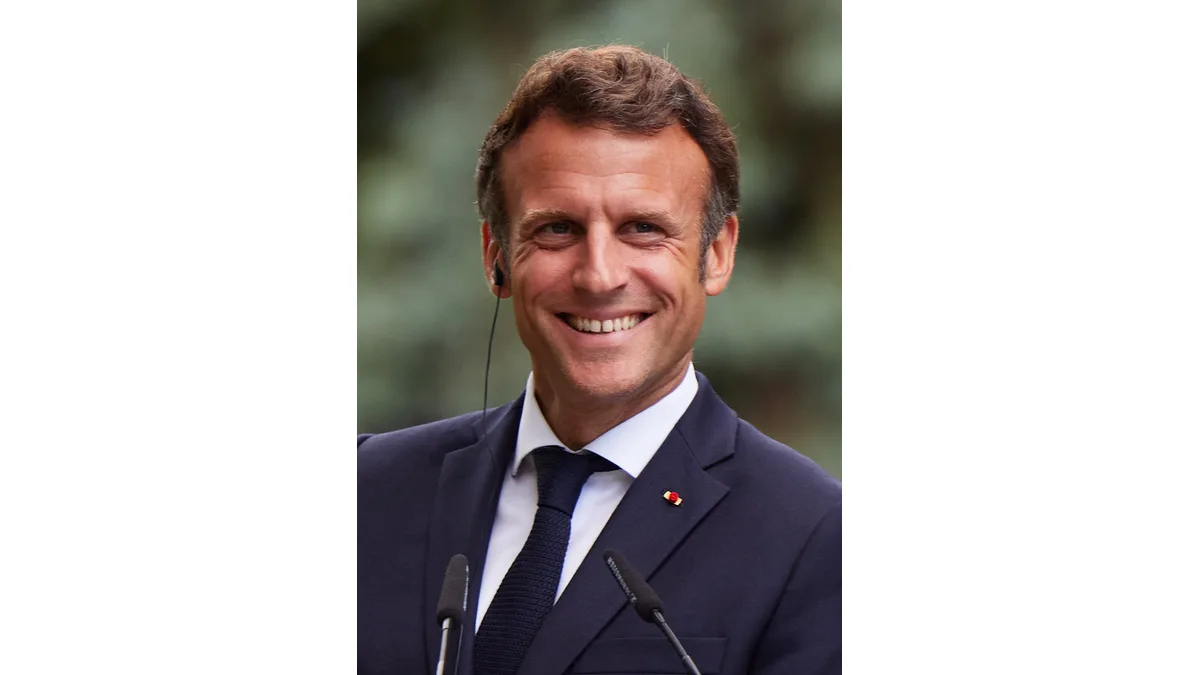
The declaration was signed by the heads of state and government of Bahrain, Canada, Finland, France, Norway and the Netherlands, and by 10 companies: Anthropic, Black Forest Labs, Cohere, Domyn, Hugging Face, Microsoft, Mistral AI, OpenAI, Sakana AI and Synthesia. Four civil society groups also signed: LawZero, led by Yoshua Bengio, SaferAI, AI Safety Connect and Ifri. The statement remains open to new endorsements and is being updated, according to the text.
Notably absent from the signatory list are the United States, the United Kingdom and China, as well as Google and xAI. That leaves the pledge without the world’s largest AI market and two of its biggest model developers, a gap that will shape how much weight the commitments carry in practice.
Why It Matters
The Paris Call for AI Safety builds on the Hiroshima process, the Frontier Safety Commitments agreed at the Seoul AI Summit, the G7 Evian AI meeting and a United Nations Security Council meeting on AI held on September 23. It also follows Anthropic chief executive Dario Amodei’s September call to slow the pace of frontier capability gains so safety work can catch up, a position taken up in Anthropic’s first frontier release since that call.
The declaration is voluntary. It creates no enforcement mechanism, no penalties and no timetable, and its commitments are framed as pledges to work toward shared standards rather than binding rules. Its practical test will be whether the promised evaluation repository and incident reporting channels materialize, and whether more governments and companies endorse it. The same day, Australia moved further, adopting mandatory reporting and a new AI safety regulator, a contrast that shows how far voluntary pledges still sit from enforceable law.
Sources
- Joint declaration on Paris call for AI safety and security, Prime Minister of Canada
- Paris Call for AI safety and security, Elysee, Presidency of the French Republic
- Joint declaration on Paris call for AI safety and security, CNW (Prime Minister’s Office)
- Australia Adopts Mandatory AI Safeguards After OpenAI Breach, GPTOnline