SpaceX plans to build a roughly $24 billion gas-fired power plant and super-compute facility at its Starbase site in Texas, according to a public hearing notice, in the latest sign of Elon Musk’s push to control the power and computing behind his AI ambitions. Bloomberg News first reported the SpaceX Starbase supercomputer plan on November 9, and Reuters confirmed the details from the notice.
What the Notice Says
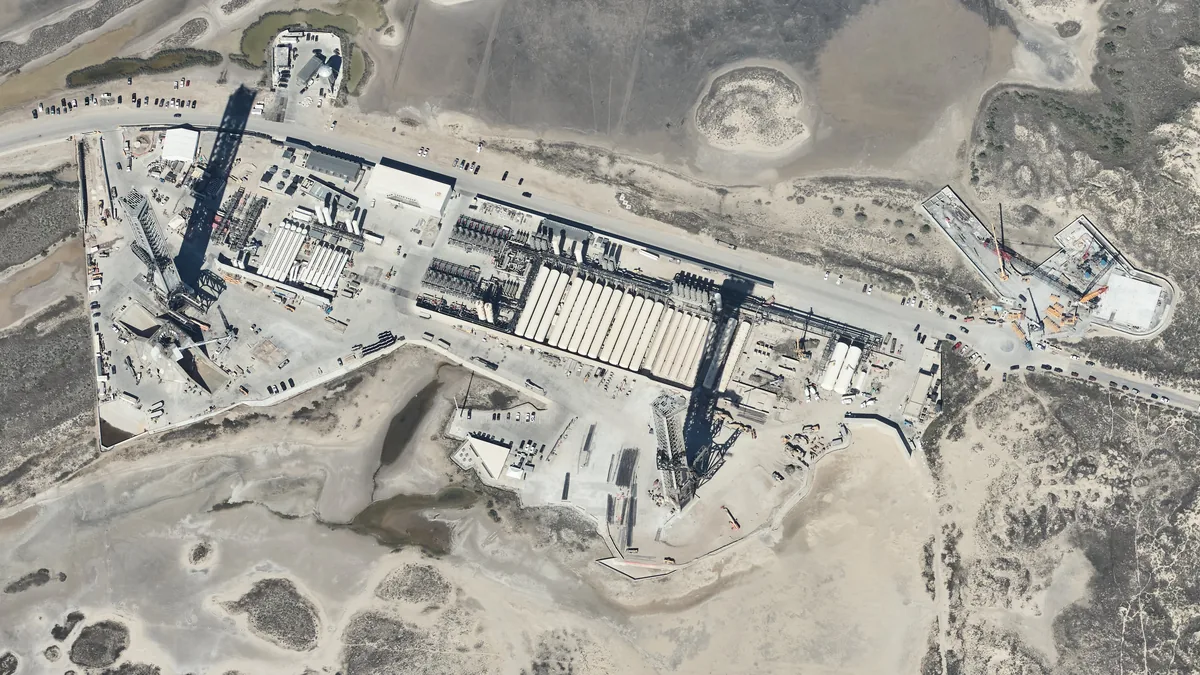
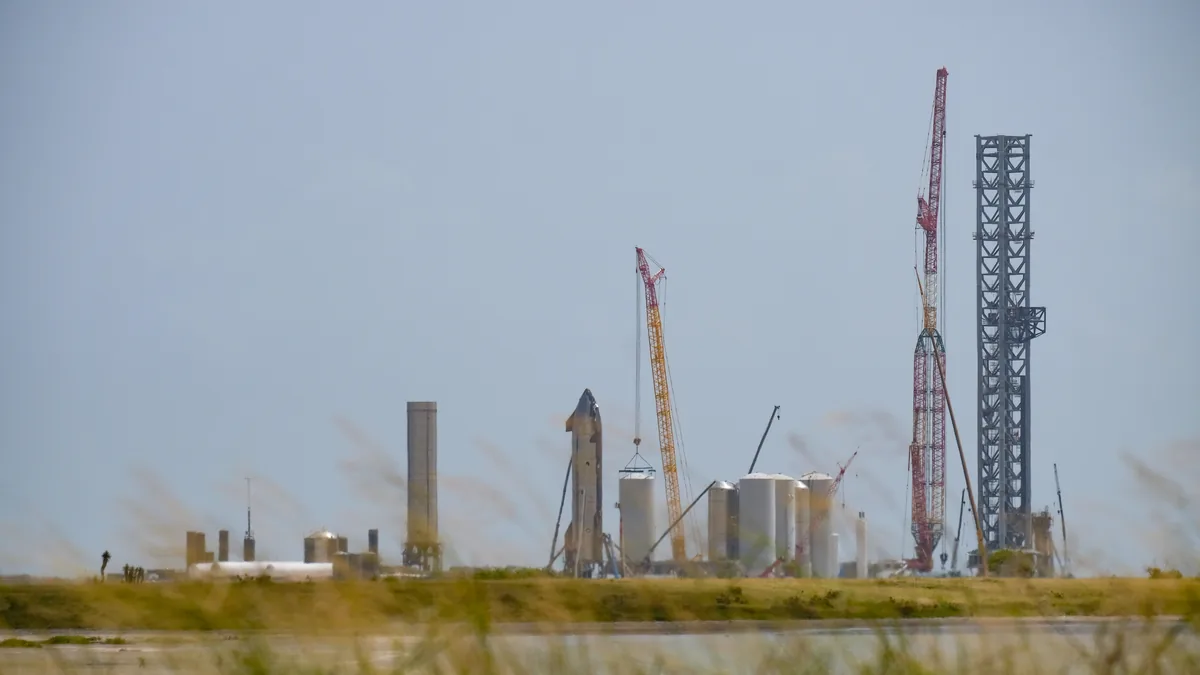
SpaceX proposes to construct, own and operate both facilities on an approximately 444-acre tract just east of the city of Brownsville, between Boca Chica Boulevard and the Port of Brownsville, inside the city limits of Starbase. The notice describes $24 billion as the estimated capital investment for the project’s initial phases, and says the work may be done in multiple phases and could include future expansions. Reuters notes the project would be among the largest private investments in the Rio Grande Valley.
Tax Break Decision on December 9
SpaceX has applied for a property tax abatement for the project, and the Starbase City Commission will consider it, plus a related economic development agreement, at a public meeting on December 9. The notice did not say how large the abatement would be or how long it would last, and it gave no details on the plant’s generating capacity or the scale of the computing operation. Nothing has been approved yet.
Why SpaceX Wants Its Own Power
Building its own power plant could let SpaceX skip a years-long wait to plug a project into Texas’ main power grid, Reuters reported. The timing is sensitive: Texas’ governor-elect has pledged a moratorium on new data center construction, a freeze we covered in our earlier report on how it puts Musk’s AI plans at risk.
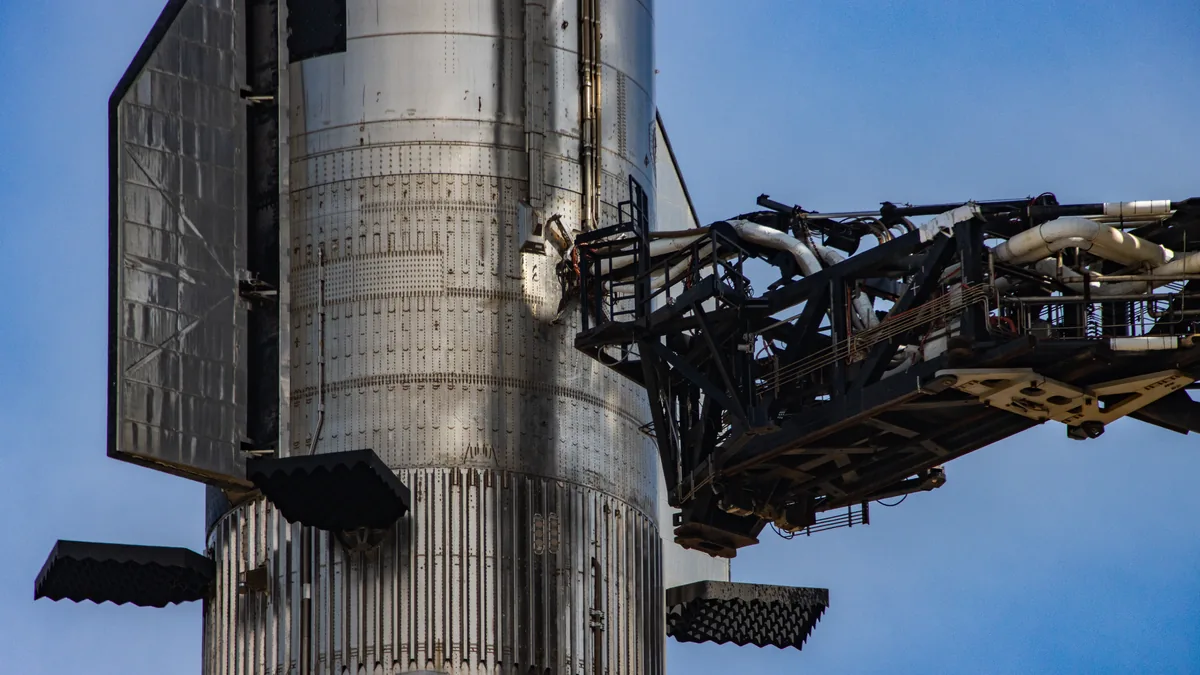
SpaceX affiliate Lone Star Mineral Development has filed plans for an 8-mile natural gas pipeline to Starbase, called Starpipe, that is scheduled for service by January 2027. It will feed a planned plant to turn the gas into liquid methane for Starship rockets, according to filings Reuters reviewed in June.
The AI Context
SpaceX bought Musk’s AI lab xAI earlier this year. The company last month reported a 161% jump in revenue and a ninefold increase in AI revenue for its third quarter, and it has been renting out computing capacity to Google, Anthropic and others, Reuters reported. A dedicated SpaceX Starbase supercomputer with its own power supply would deepen that vertical integration, putting chips, power and compute under one roof.
One figure circulating in coverage deserves caution: some reports cite 35 turbines and 748 megawatts for the plant, but those numbers do not appear in the city notice and remain unconfirmed.
Why It Matters
A $24 billion bet on self-powered AI compute would rank among the largest infrastructure projects in the AI buildout, and it shows how far companies will go to escape grid connection queues. The political headwinds are real, though: Reuters notes voters rejected data centers in 40 of 41 local ballot measures, and Democrats took control of Congress and the Texas governor’s office in the midterm elections. The December 9 hearing is the next milestone, and approval is not guaranteed.
Sources
- Reuters, “SpaceX plans $24 billion gas power plant, data center project in Texas,” November 9, 2026
- Bloomberg Law, “SpaceX Plans $24 Billion Data Center and Gas Plant in Texas,” November 9, 2026
- FourWeekMBA, “Starbase Notice Puts $24B on SpaceX Gas Plant, Supercomputer,” November 9, 2026
- MLQ, “SpaceX seeks a Starbase tax break for a $24 billion gas-fired power plant and supercomputer,” November 9, 2026