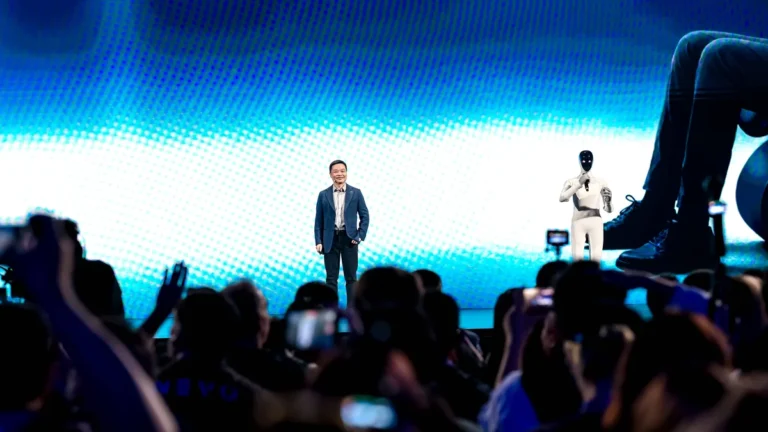
MiniMax has turned its open source video model H3 into a full product family. The company announced the H3 Family on November 24, 2026, bundling the video model it open-sourced 100 days ago with the image model H3-Image into a tiered line of five flagship models, with published prices and more than ten partner-built variants.
The announcement doubles as a report card for open weights. MiniMax says developers turned one H3 model into 1,472 derivative models in 100 days, with total downloads passing 148 million, or more than 17 downloads every second on average. The full collection is live on the company’s open platform at minimax.io/h3-family.
The five flagships
Three video tiers and two image tiers split the work by quality, speed and cost:
- H3: the quality-first flagship, up to 2K resolution, from 0.5 yuan per second (about $0.08 per second). It is built for high-end commercial work, including precise iterative edits that swap one person, one outfit or one patch of light while keeping the rest of the shot.
- H3-Highspeed: from 0.26 yuan per second (about $0.04 per second), for everyday and large-scale production. A 5-second clip takes about 11 seconds on average, clips up to 15 seconds finish within a minute, and clips can run up to 30 seconds.
- H3-Lite: from 0.16 yuan per second (about $0.025 per second), for low-cost trial and error. On specific hardware, a 5-second 768P clip takes about 8 seconds and costs around 1.3 yuan.
- H3-Image: 25 yuan per million tokens, supporting up to 16 reference images, with native 4K output. MiniMax claims 150 to 200 percent of the speed of mainstream models at 50 to 70 percent of the price.
- H3-Image Highspeed: 50 yuan per million tokens, producing a 4K image in under 10 seconds at its fastest.
All prices are “from” prices, so real costs under pay-as-you-go billing vary with resolution, length and volume.

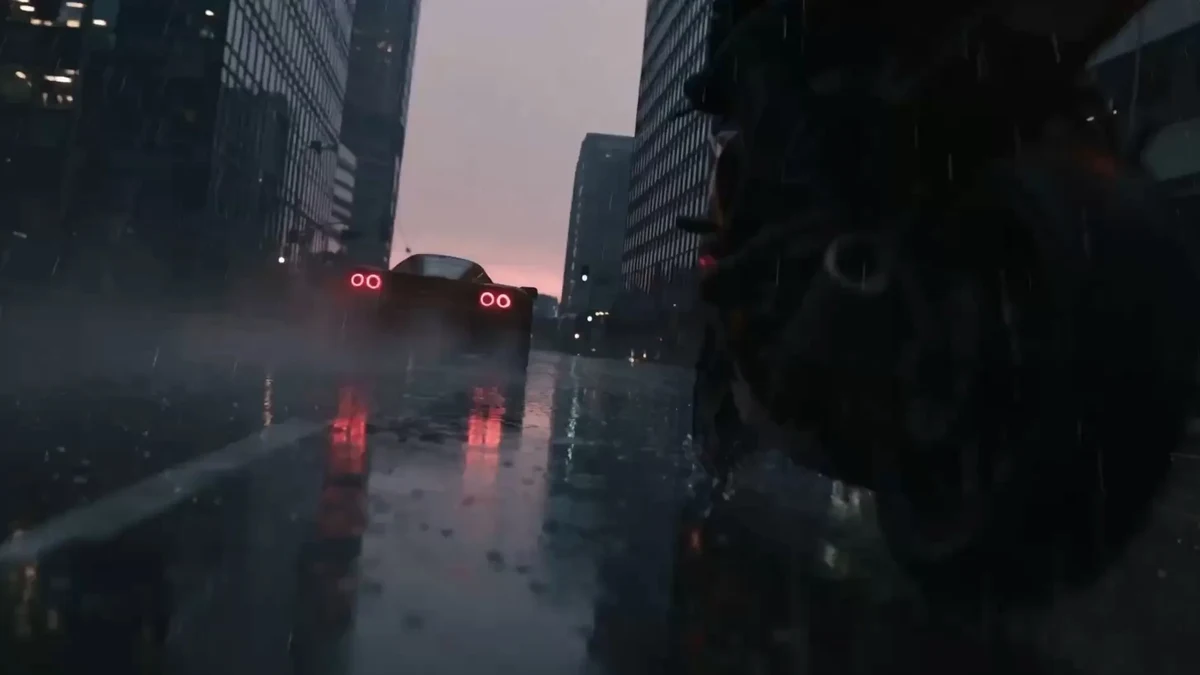
A cinematic still generated with MiniMax H3. Image: MiniMax
A partner ecosystem around one model
Beyond the five flagships, the family includes more than ten specialized models built on H3 by partners, including fal H3 Max, Suno H3 Move, HeyGen Video 1, Pika H3 Flex, MachGen, Nunchux AI, Utopai Studios, Creatify, RunningHub, Akatz Labs and LightX2V. MiniMax says more than ten global companies have signed authorization deals, and it targets e-commerce, games, film, animation, short drama and industrial design.
H3 was open-sourced in early August 2026, and H3-Image followed as an open-weight release in November. The models ship under the MiniMax H3 Community License, which carries territory limits, a separate written authorization above $20 million in yearly revenue, and a “MiniMax H3” display requirement. The API is available globally through the MiniMax open platform.
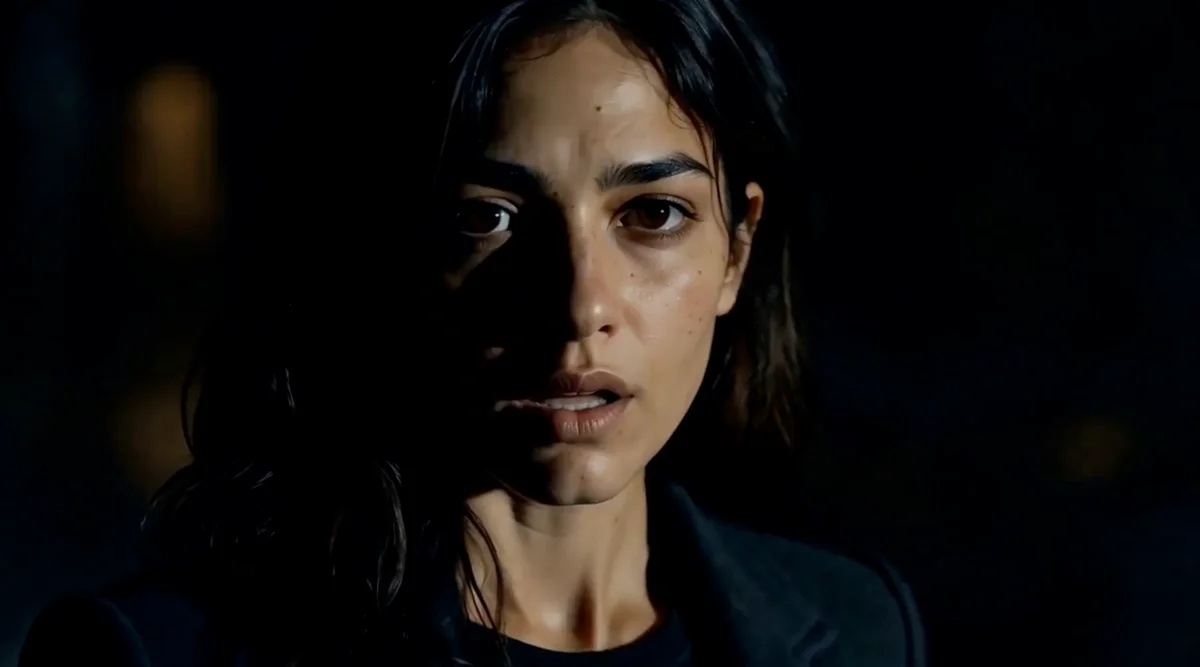
A portrait still generated with MiniMax H3. Image: MiniMax
Why it matters
The H3 Family shows how fast an open-weight video model can grow into an ecosystem when the weights are free to build on. In three months, one model became nearly 1,500 variants across ads, film, music videos and drama production, and MiniMax is now selling the same technology back as a priced, tiered API.
For creators, the point is not one more model but a clear price-and-speed map: H3 for quality, Highspeed or Lite for bulk output, the H3-Image line for stills, and a partner extension for special cases. The open question is quality. The 1,472 derivatives vary widely, and the speed and price claims are MiniMax’s own, so teams should test before committing to a tier.