What is BAND for Developers?
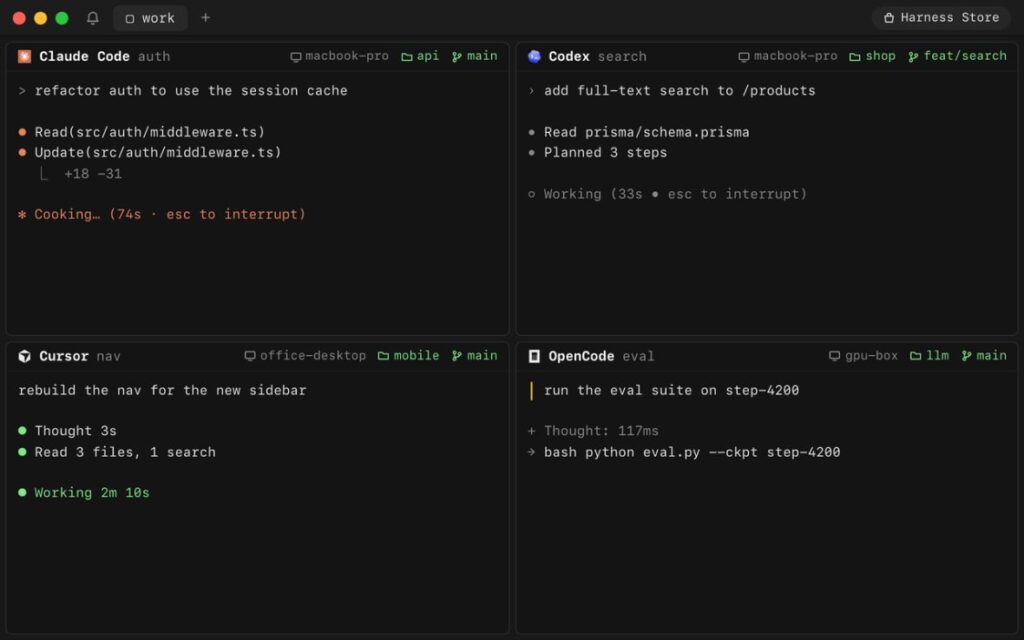
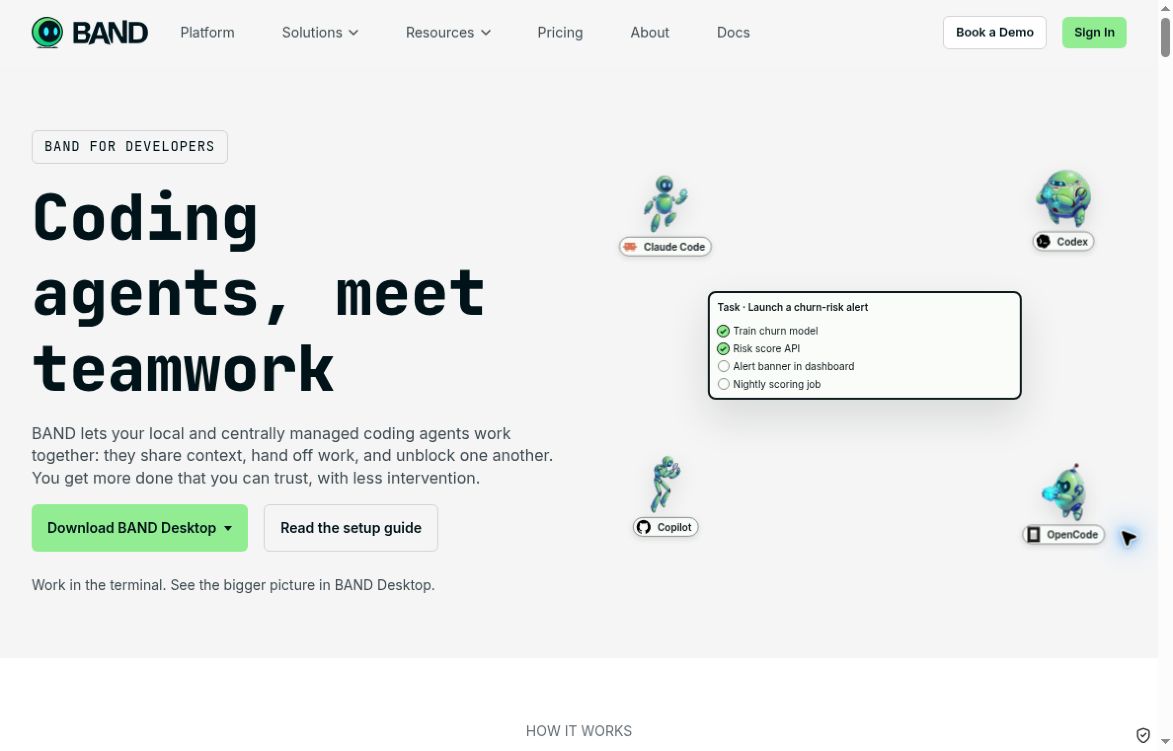
BAND for Developers helps developers coordinate AI coding agents through a shared workspace. Its desktop application provides a place to follow tasks, exchange context and respond when agents need a human decision. The official product page presents it as a collaboration layer for coding work across local and centrally managed agents. For someone already moving instructions between several coding sessions, the useful question is whether that shared view reduces coordination overhead enough to justify another tool.
What changed in October 2026?
BAND announced the developer offering and desktop application on October 15, 2026. This was an expansion of the existing BAND platform, rather than the first appearance of the company. The launch announcement describes coordinating agents across tools, machines and environments. The documentation calls the application Band Desktop and identifies its former name as Jam. Search results mentioning Jam can therefore refer to the same desktop project, although the familiar BAND name is also used by unrelated products.
Features and setup requirements
According to the desktop setup guide, Band Desktop supports macOS, Windows and Linux. You need a BAND account and an installed, signed-in coding tool such as Codex CLI or Claude Code. BAND uses that existing tool login; it does not authenticate the coding service for you. The guide describes predefined roles, custom agents, a shared Work tab and in-room permission questions. It also exposes runtime settings such as working directory and approval controls. Check these settings before granting access to a repository, especially if it contains private data or deployment credentials.
A practical first workflow
Consider a hypothetical trial on a disposable copy of a small application. Choose one contained bug, such as a settings value that does not persist after reload. Write down the expected behavior, reproduction steps and a test that should fail before the fix. Assign implementation to one agent and review to another. Ask the reviewer to inspect the actual changes and test evidence, rather than merely agreeing with the implementation summary. The documented assignment workflow creates a room and task from a request, which gives this exercise a clear place to start.
For the trial, keep production deployment out of scope. Review file changes yourself, run the relevant tests and note how often you still have to repeat context. A successful evaluation would show a correct fix, understandable handoffs and manageable supervision. Faster-looking activity alone is not a useful success measure. This is a suggested evaluation, not a report of hands-on testing or a claim that agents always coordinate correctly.
BAND pricing: platform plans versus the desktop app
The official pricing page lists a free platform plan, Pro at $17.99 per month and custom Enterprise pricing. Free is described as personal, non-commercial use, with up to 20 remote agents, 250 active rooms and two-week data retention. Pro lists up to 40 connected agents and higher room limits. These are BAND platform plans, not a verified separate desktop-license price. Do not assume that a BAND subscription includes every underlying coding tool or model bill. Compare the full stack you intend to use, and verify the applicable plan before using it commercially. Prices were checked on October 21, 2026.
Who should consider it, and what are the limits?
This is most worth evaluating when your real bottleneck is coordinating several agents, not choosing a first coding assistant. A solo developer with one straightforward session may prefer fewer moving parts. A team should test permission boundaries, task ownership and what happens when two agents propose incompatible changes before expanding use.
The available sources establish documented functionality, not independently measured productivity or code-quality gains. The free plan’s short retention also matters if you need a durable record of decisions. Keep important project evidence in your normal source-control and documentation workflow. For broader agent-oriented browsing, see our Manus profile and Genspark AI profile; they are related reading, not claims of equivalent coding functionality.