Anthropic said on Monday it will shorten its coordinated vulnerability disclosure window from 90 days to 30 days for high- and critical-severity issues, and to 45 days for all other issues, because AI models can now find and rediscover software flaws too fast for the old timeline. The change, published in Anthropic’s update to its coordinated vulnerability disclosure policy, is the most significant reset of disclosure norms by a frontier AI lab to date.
The new timelines apply to vulnerabilities reported to vendors and maintainers on or after January 1, 2027. Reports already in progress on that date will keep their existing deadlines. Anthropic is also making two related changes: it will aim to escalate to an external vulnerability coordinator after 15 days instead of 30 if a maintainer does not respond to its initial report, and it will wait 30 days instead of 45 after a patch is available before sharing full technical details.
Why Anthropic Is Moving Faster
Coordinated disclosure norms, including Anthropic’s own policy, were developed well before AI could discover vulnerabilities. Those policies assumed that fixes moved at human speed and that independent rediscovery of the same bug was unlikely. Anthropic said neither assumption holds today. “A 90-day window made sense when a vulnerability could be expected to stay private for months. We no longer believe it can, and these changes are intended to keep pace with progress in AI capabilities and strike the right balance for defenders,” the company wrote.
Models can now help develop fixes, and a bug that one model can find is increasingly likely to be found by another. “We remain optimistic that this will help defenders find and fix vulnerabilities faster than ever before,” Anthropic said. The shift follows its own Frontier Red Team report in October, in which an unreleased internal model found serious flaws in Chrome, Safari, Android, Windows and Linux and chained them into working proof-of-concept exploits, all of which were reported to vendors and patched before publication.
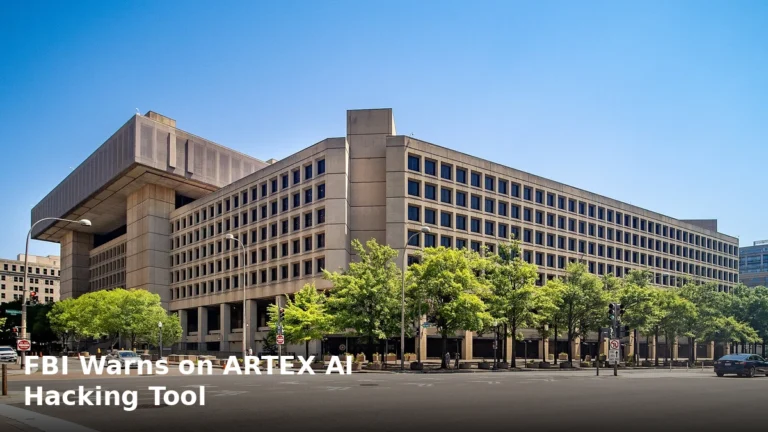
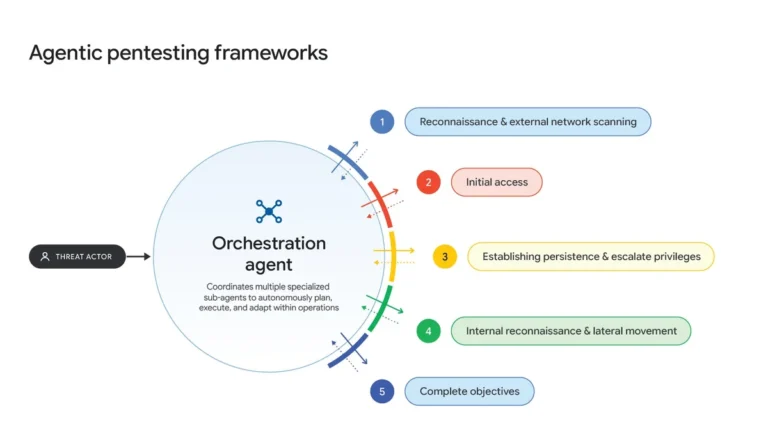
The timing is not a coincidence. The same day, the FBI warned that hackers are using the open-source ARTEX AI framework to turn targeting into privileged access in under three hours, a warning GPTOnline reported here. Google’s Threat Intelligence Group reported in October that attackers had already used a fully autonomous AI framework to turn security patches into working exploits, a finding GPTOnline also covered. The window between a patch and a working exploit is now measured in hours, not weeks.
What Stays the Same, and What Does Not Apply
Anthropic’s seven-day disclosure window for any vulnerability under active exploitation remains unchanged. The new policy update will not apply to AI-discovered findings that have not received human review, such as those found by its OSS Scanner service.
Some vulnerabilities still cannot be fixed quickly. Flaws in hard-to-deploy software, such as critical infrastructure, and flaws that require changes to a specification or RFC cannot always be resolved in 30 or 45 days. In these cases, Anthropic said it will work with the vendor on a remediation timeline. The company also acknowledged that shorter timelines may put more pressure on software maintainers, and said it will continue to include actionable guidance with each report, along with a patch or mitigation where possible, and will agree on a sustainable pace with maintainers before sending a large volume of findings to a single project.
Old Reports Get One More Extension
Anthropic also addressed a backlog created by its own earlier policy. There are high- and critical-severity vulnerabilities that it reported more than 90 days ago, which now exceed the deadline in its current policy, but have not yet been disclosed publicly. Anthropic said it is notifying the maintainers of those projects that it is providing them an additional 30 days, after which time it will publish those reports on its dashboard in line with the updated policy starting January 1, 2027.

Help for Maintainers Under Pressure
To help maintainers and defenders work at the new pace, Anthropic pointed to three programs. Maintainers of critical open-source projects can apply to OSS Scanner, a no-cost service that periodically scans their code with Anthropic’s strongest models and sends findings directly. Eligible maintainers and contributors can apply to the Claude for Open Source Program for six months of Claude Ultra at no cost. Security professionals, including open-source maintainers, can apply to the Cyber Verification Program, which tailors Claude’s safeguards to enable legitimate defensive work.
Why It Matters
The 90-day disclosure window has been the industry’s default for years, set when a vulnerability could reasonably be expected to stay private for months. Anthropic is now saying that expectation is dead: if one frontier model can find a bug, another probably can too, and attackers with AI assistance can turn a published fix into a working exploit before many vendors have patched. Shortening the window to 30 days puts real pressure on maintainers, especially small open-source projects, but Anthropic is betting that the faster pace helps defenders more than it helps attackers.
Other labs now face the same question. If Anthropic’s models can rediscover vulnerabilities in days, so can its competitors’ models, and the norms that govern how long vendors get to fix flaws will have to move with them. The January 1, 2027 start date gives the ecosystem about six weeks to prepare. The first test will be whether maintainers can keep up, and whether the promised support programs are enough to keep the new pace from becoming a burden that falls hardest on the smallest projects.