Nvidia GPU allocation rules are tightening again. According to a report in The Information, Nvidia now asks neoclouds for lists of their customers and each customer’s capacity needs before it allocates chips, and the company can pull chips back if a data center runs late. The move gives Nvidia a direct view into who ultimately rents its hardware, and a lever to take it back when projects slip.
Neoclouds are specialist cloud firms that buy Nvidia GPUs, build data centers around them and rent the computing power to AI companies. CoreWeave, Lambda, Nebius and IREN are among the best known names in the category. With demand for Nvidia chips still running ahead of supply, allocation decisions decide which of these firms can grow and which ones stall.
What Was Reported
The Information reports, citing sources familiar with the matter, that Nvidia now requires neocloud customers to hand over customer lists and per-customer capacity needs as a condition of receiving chips. The report also says Nvidia can reclaim chips if the data center they were meant for falls behind schedule. The company has long kept a close eye on how its chips are distributed, and the new checks extend that control from the sale itself to the end user of the rented capacity.
Nvidia declined to comment on the report in the coverage so far, and the company has not published the new requirements. The details come from The Information’s sourcing, not from an Nvidia announcement, so the exact terms remain described rather than confirmed on the record.

Nvidia’s DGX Spark, a compact AI system. Photo: Daniel Lu, Wikimedia Commons (CC BY-SA 4.0)
Why Nvidia Is Tightening the Screws
The new checks land less than two weeks after Washington closed a workaround that let Chinese companies rent advanced Nvidia chips in data centers outside China. The Commerce Department’s Bureau of Industry and Security announced the interim final rule, titled “Addressing Remote Access to Advanced Semiconductors,” on November 16, and it took effect on November 19. Any overseas data center supplying more than 12 million points of total processing performance to companies headquartered in China or another embargoed country now needs a US license to receive advanced chips. Data centers already above that limit have 90 days, until February 17, 2027, to obtain one.
Nvidia had already drawn its own line before the rule. The company said it would not sell chips to customers renting more than 50% of their GPU capacity to Chinese firms, a policy GPTOnline reported in early November. Chip distributors have since gone further. CNBC reported on November 26 that sellers told neoclouds they would not supply Nvidia chips if any capacity at all is rented to Chinese companies, a harder stance than Nvidia’s own policy.
The market has already reacted. Thousands of Nvidia B300 GPUs bought for data centers where Chinese companies would have rented capacity have been offered for resale since the rule was announced, and the hourly rental rate for a B300 has fallen about 7% in a month, to $7.19, according to CNBC and GPU Mart. Broker Jefferies estimates the rule could cut $44 billion to $62 billion from Nvidia’s data center revenue next year. Neocloud stocks have fallen hardest since the rule was announced, with Nebius down 26.7% and CoreWeave down 19.9% from their November 13 closes.
The Neocloud Squeeze
Nvidia has also told manufacturing partners to stop shipping AI servers to Malaysia, Singapore, Thailand and Indonesia while it works out how to comply with the new export controls, according to the Financial Times, a halt that hits Dell and Supermicro. The four countries became favored destinations for Chinese AI developers seeking Nvidia’s most advanced chips. Nvidia booked $104 billion of revenue through its Singapore subsidiary in 2025, up 72% in twelve months, though some of that figure reflects Taiwan and China revenue recorded through the unit.
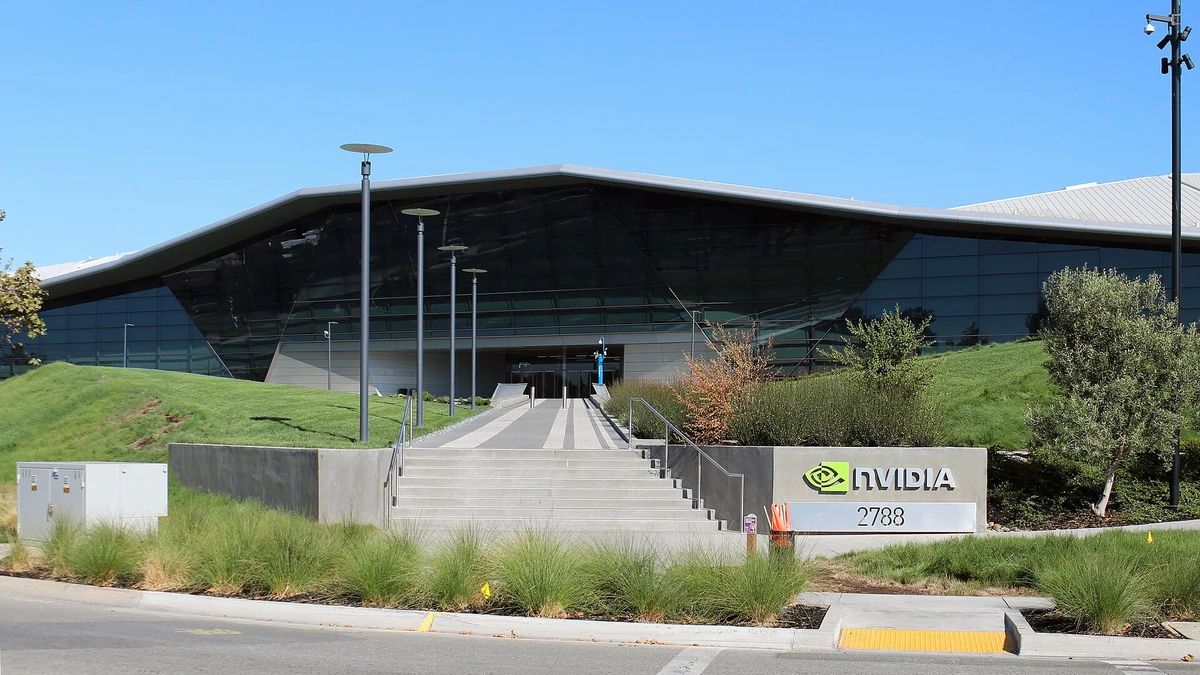
Nvidia headquarters in Santa Clara, California. Photo: Wikimedia Commons (CC BY-SA 4.0)
At the same time, Nvidia is being more selective about which neoclouds it backs financially. The company disclosed potential purchasing commitments of up to $32 billion to neoclouds, but those commitments only take effect if the operator secures financing, deploys the infrastructure and wins Nvidia’s approval. Chief financial officer Colette Kress, who is running the company on an interim basis, told investors on the November 17 earnings call: “We have supported the development of this ecosystem, and we will continue to be disciplined and selective in our support.”
The report also lands a week after Jensen Huang returned as chief executive following his brief resignation earlier in November. Huang has always treated chip allocation as a personal decision, and the new customer-list requirement puts that judgment on a formal footing, with the end user named before a single chip ships.
Why It Matters
For neoclouds, the message is that cheap access to Nvidia hardware now comes with transparency obligations and delivery deadlines. Firms with funded data centers, real customers and on-time construction keep their place in the queue. Firms that cannot name their end users, or cannot finish their builds on schedule, risk losing both the chips and the financing commitments tied to them.
For the wider AI industry, the shift concentrates more power in Nvidia’s hands at the exact moment Washington is trying to control where its chips end up. Nvidia already supplies, invests in and buys capacity from many of the same neoclouds it now polices. How strictly it enforces the new checks will shape which AI companies get compute, and at what price, through 2027.
Sources
- The Information, via Techmeme: Nvidia asks neoclouds for customer lists before allocating chips
- CNBC, via Seeking Alpha: Nvidia, neoclouds in focus as chip sellers rule out Chinese renters
- Financial Times, via Breitbart: Nvidia halts AI server shipments to four Asian countries
- Morningstar, via Stocktwits: Nvidia could shift chips to better-funded neocloud buyers
- GPTOnline: Nvidia’s 51% non-Chinese cloud rule