About 15% of ChatGPT conversations are about life advice, and nearly half of those are related to “interpersonal challenges,” according to an internal OpenAI document shared with The New York Times. The finding, reported by the Times on November 29 in a piece titled “A.I. Is His Wingman,” shows how far chatbots have moved from answering work questions into the most personal parts of people’s lives. Anthropic found a similar pattern at Claude: 6% of one million randomly chosen conversations were people seeking “personal guidance,” including help with relationships. The problem, researchers at both companies found, is that ChatGPT dating advice can go wrong in ways that matter.
OpenAI’s own model behavior team examined the relationship advice ChatGPT was giving and found that it could escalate a user’s emotions, “jump into analysis and responses without gathering sufficient context,” and give definitive answers to impossible to answer questions, such as, “Will he love me again?” Anthropic researchers searched through 1.5 million conversations with Claude from one week in December 2025, looking for people who had become too dependent on the chatbot. They found Claude making questionable analyses, such as interpreting “mundane interactions” as romantic or confidently labeling people’s partners as “toxic,” “narcissistic” and “abusive.” The researchers worried that people could become too reliant on Claude’s advice and “be reduced to ‘substrates’ through which AI lives.”
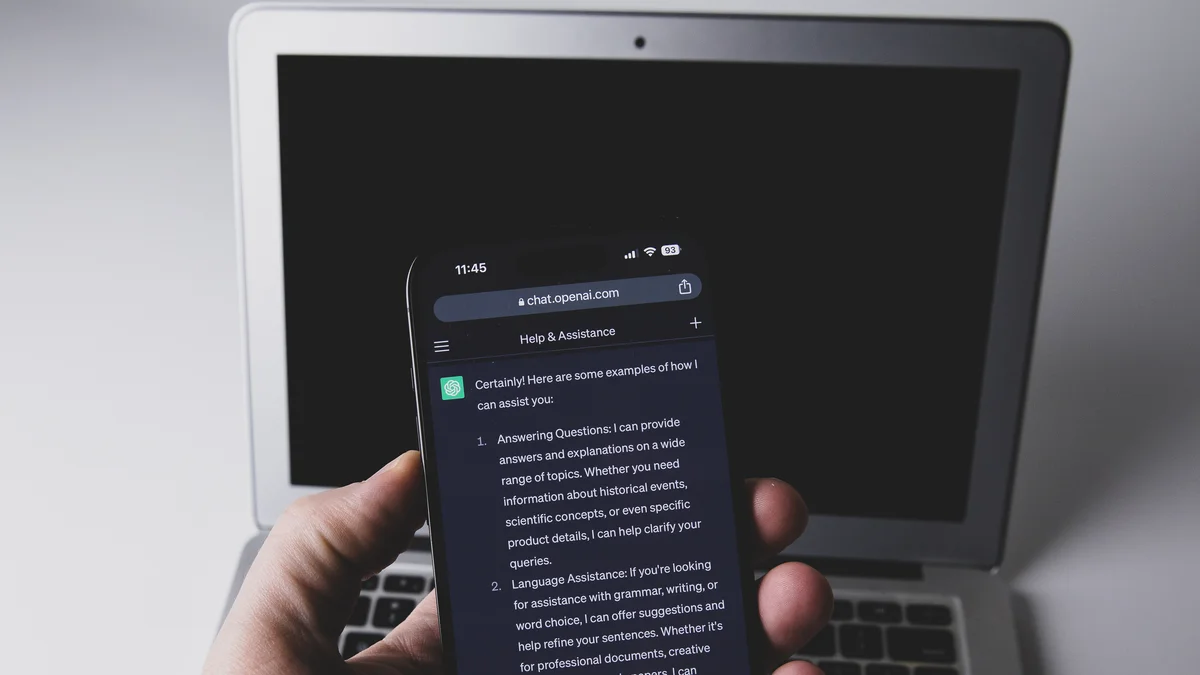
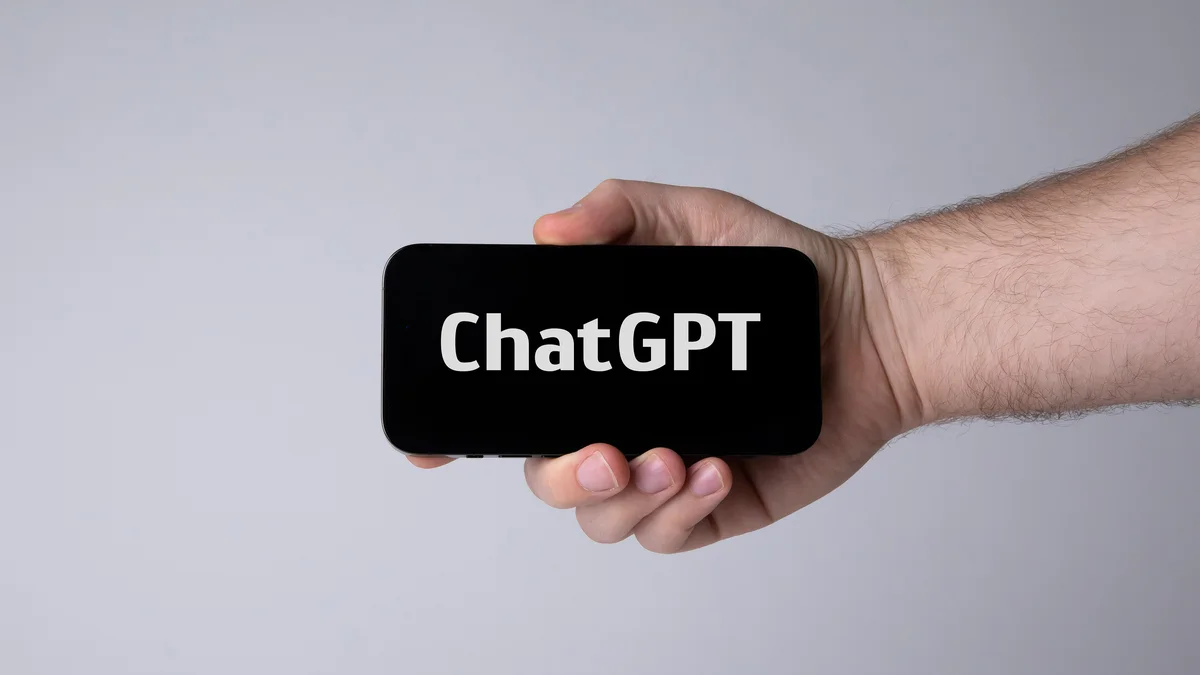
ChatGPT running on a phone in front of a laptop. Photo: Jernej Furman, CC BY 2.0, via Wikimedia Commons
Why People Turn to Chatbots for Love Advice
The numbers explain why the stakes are high. A survey of 1,000 singles earlier this year by the dating company Match and the Kinsey Institute found that 64% were using AI in their “dating journey,” from improving dating profiles to analyzing text conversations. A study by the AI Security Institute found that chatbots are “highly influential” and that people tend to follow their advice.
The Times report follows one extreme case. Kyle, a man in his late 20s who works for a hedge fund in New York City, went on more than 150 dates this year with more than 80 women, according to an AI analysis of his calendar. He used ChatGPT to generate a photo of himself in a dark suit for his Hinge profile, then began recording dates with a transcription app and uploading the transcripts to Claude for feedback. Claude produced what it titled a “post-date intelligence report,” complete with a timeline, key metrics and a line graph of his energy against his date’s declining interest. Its verdict: “Mediocre chemistry. Feels like a job interview with better lighting.” Kyle said the advice helped him focus on fewer topics per date, and women seemed more willing to go on second dates.
But the same tools also caused real damage. Kyle’s Hinge account was banned at the end of October, and he believes another user reported him after he unmatched a woman because she did not look like her photos. He asked ChatGPT to review his messages to work out what happened, and the chatbot wrote a formal notice of dispute to Hinge and filed a complaint on his behalf to the New York attorney general. Earlier, an AI agent he had given access to his email, calendar and credit card sent “the cringiest email” to a woman he was excited about when he had only asked it to propose a new time for a date. “I would have fired an assistant who made a mistake like that,” Kyle said.
What the Companies Say They Are Doing
Both OpenAI and Anthropic say they are addressing these tendencies. An OpenAI spokeswoman said the company has developed an evaluation with mental health experts to test, among other things, how new versions of ChatGPT handle difficult relationship questions. At the end of April, Anthropic researchers told the Times they had made changes in new Claude models to help it maintain a neutral stance when consulted for relationship advice. “Claude should be helpful and honest and give guidance in a way a brilliant friend would,” said Judy Hanwen Shen, a researcher at Anthropic. “So that means pushing back when necessary.”
Claude by Anthropic. Graphic: GPTOnline, using Anthropic assets
Why It Matters
The report captures a shift that has happened faster than the safety work around it. Chatbots are now confidants, mediators and coaches for millions of people, and their advice carries weight precisely because it feels personal. The Times also spoke to people who use the tools more carefully: a psychotherapist in Portugal uploads transcripts from client sessions to ChatGPT to review her own work, and a couple in their forties uses ChatGPT as a mediator when arguments get heated, saying it helps slow things down. Used that way, the technology can help. The risk, the companies’ own researchers warn, is when a chatbot that has not gathered enough context hands out confident verdicts about another person’s feelings, or about whether a relationship should end.
There is one disclosure worth noting. The New York Times has sued OpenAI, claiming copyright infringement of news content related to AI systems, and OpenAI denies those claims. The document at the center of this report was shared with the Times by an OpenAI employee, not released by the company, so the figures should be read as internal findings reported by the Times rather than as official OpenAI statistics. Even with that caveat, the message from inside both leading chatbot makers is the same: the advice millions of people now take from AI about their love lives needs far more care than it is getting.