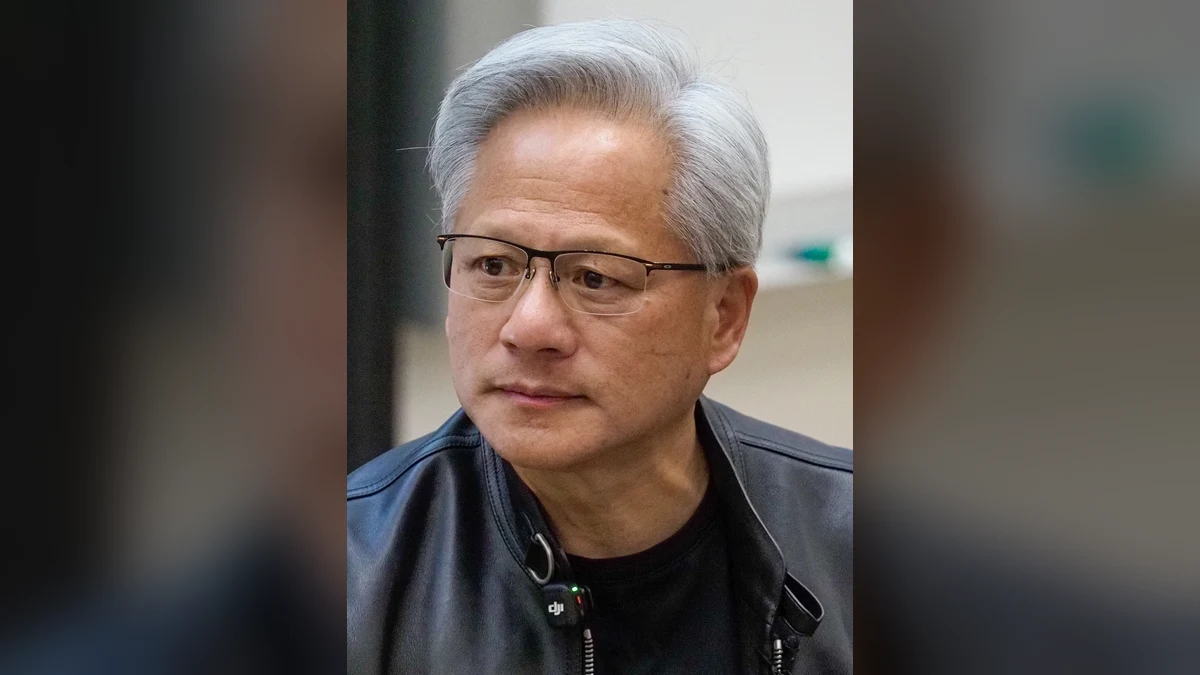
Former Nvidia chief executive Jensen Huang has agreed to appear for transcribed interviews with three U.S. House committees on December 1, the House Foreign Affairs Committee said in a statement on Tuesday, November 17. Nvidia general counsel Tim Teter will appear before the same panels on December 2.
The confirmation sets a date for the appearance lawmakers have sought since Huang resigned as Nvidia chief executive on November 12, after reports of extramarital affairs, including one involving a woman U.S. officials suspect of links to Chinese intelligence. The episode has raised questions over exports of Nvidia’s advanced AI chips to China, and it now has a fixed point on the congressional calendar.
What the Committees Said
The interviews will take place before the House Foreign Affairs Committee, the Select Committee on the Chinese Communist Party, and the House Intelligence Committee, according to Reuters. The sessions will be held behind closed doors and transcribed.
“We look forward to hearing from Jensen Huang and Tim Teter on their roles in a potential breach of our national security,” the Republican chairmen of the committees, Brian Mast, John Moolenaar and Rick Crawford, said in a joint statement. “The American people need answers on Mr. Huang and Nvidia’s role in allowing dangerous PRC actors to access our most advanced chips, as well as the role of a potential Chinese intelligence asset in this scandal.”
The committees are examining Huang’s reported relationship with Alice Huang, a former executive at Megaspeed, a Singapore-registered Nvidia customer. U.S. officials suspect Alice Huang of links to China’s Ministry of State Security, an allegation Reuters has not verified, and Megaspeed denies wrongdoing. The U.S. Commerce and Justice departments disclosed on November 16 that their investigation into Megaspeed began in 2024, and Nvidia placed the company on its “no sell” list in June 2025.
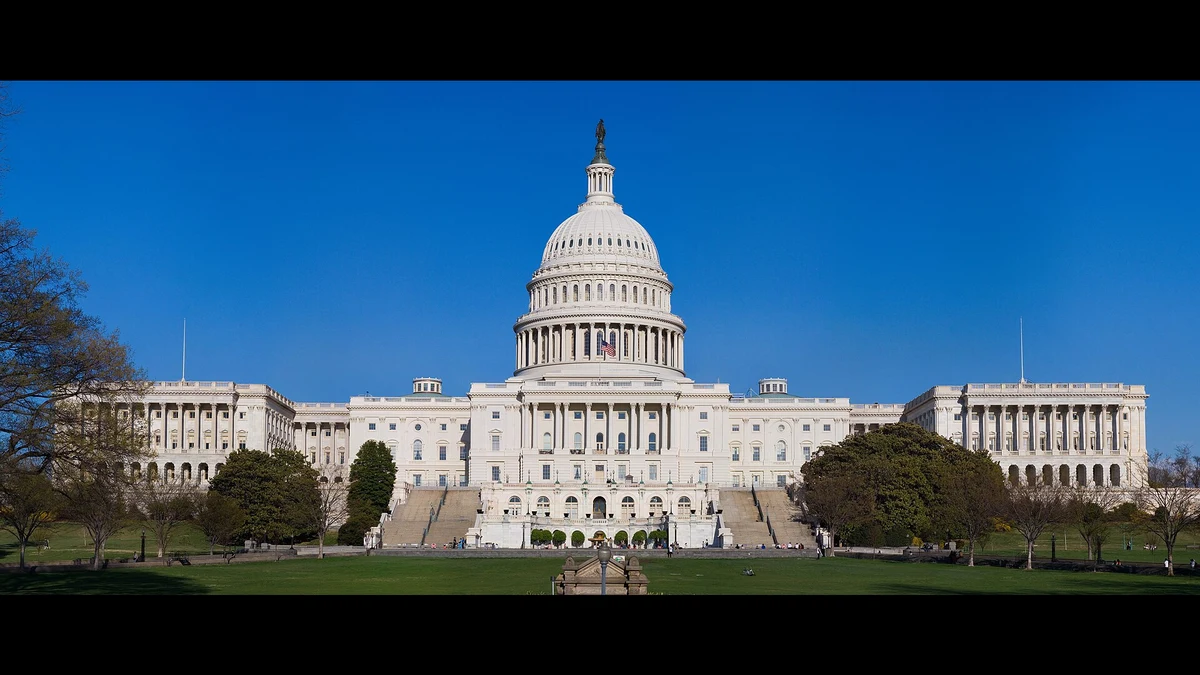
The U.S. Capitol in Washington, where three House committees will question Huang. Image: Noclip / Wikimedia Commons, public domain.
How the Date Was Set
The three chairs wrote to Huang on November 12, asking him to sit for a closed-door transcribed interview on December 1 and to confirm in writing by 8 p.m. EST on November 13 or face a subpoena. Over the weekend, Moolenaar said Huang had agreed to testify but that no date had been set. Tuesday’s statement from the House Foreign Affairs Committee closes that gap.
The House appearance is one of several dates now on the calendar. Senate Banking Committee chair Tim Scott has asked Huang to appear at a hearing on December 3 and Commerce Secretary Howard Lutnick on December 10, while the House chairs have also asked Under Secretary of Commerce Jeffrey Kessler, who runs the Bureau of Industry and Security, to appear at a hearing on December 3.
Huang Breaks His Silence
On the same day the testimony date was confirmed, Huang made his first public statement since resigning, telling The Wall Street Journal he was aware of the push from inside and outside Nvidia for his return. “Since my departure, I’ve seen an outpouring of calls from Nvidia’s employees, investors, business partners and customers for me to return as CEO,” Huang said in the statement, adding that he would be honoured to answer those calls and return as chief executive if the board decided it was in the company’s best interest.
President Donald Trump told reporters on Monday that he would like to see Huang return. U.S. media have reported, however, that Nvidia’s board has no interest in bringing him back. The board said on Tuesday it had formed a National Security and Export Control Oversight Committee to oversee the company’s security policies, export control compliance and global trade risk management.
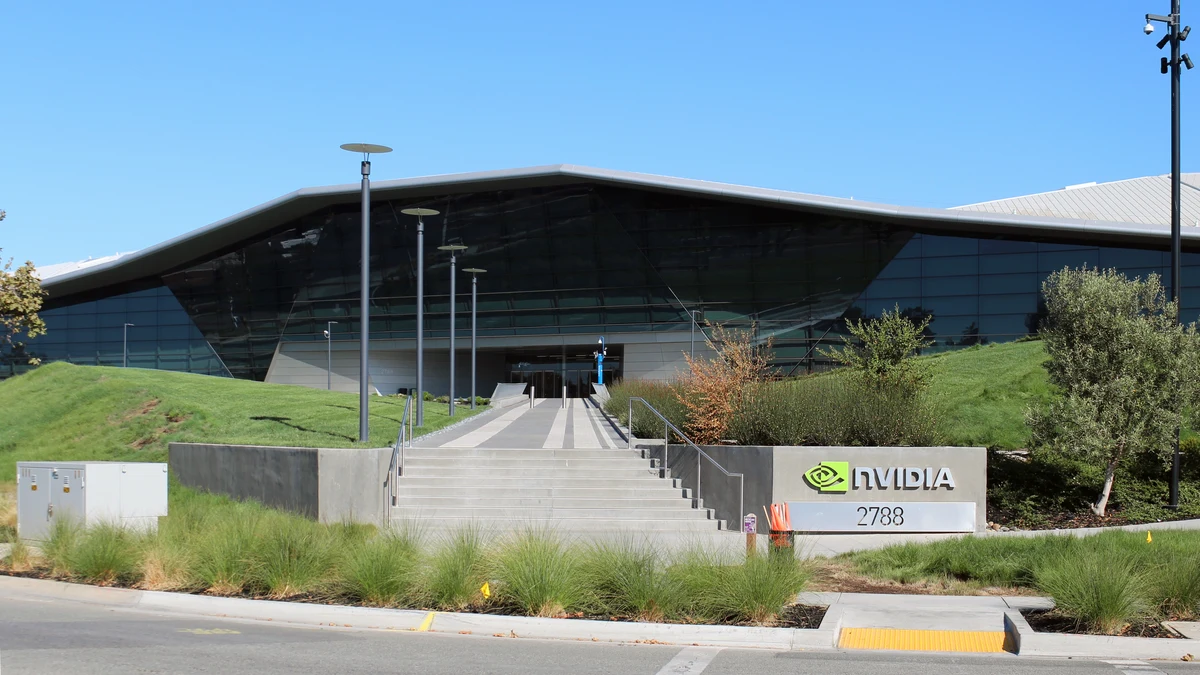
NVIDIA headquarters in Santa Clara, California. Image: Coolcaesar / Wikimedia Commons, CC BY-SA 4.0.
Why It Matters
The December 1 interviews will be the first time Huang answers lawmakers’ questions on the record since his resignation, and they come as Congress weighs new legislation to tighten controls on advanced AI chips, including the Remote Access Security Act. The testimony also lands two weeks before the Senate Banking Committee hearing, giving lawmakers a transcribed record to work from before the public session.
The appearance coincides with a pivotal week for Nvidia. The company reports fiscal third quarter results on Tuesday after the market closes, its first earnings release since Huang resigned, with interim chief executive Colette Kress leading the call. What Huang tells the House committees on December 1, and what Nvidia reports on Tuesday, will shape the next chapter of a scandal that has already cost the company its founder as chief executive and put its China business under the closest scrutiny it has ever faced.
Sources
- Reuters: Former Nvidia CEO to appear before US congressional committees in December
- The National: Jensen Huang breaks silence after leaving Nvidia and says he would return if asked
- Daily Caller: Jensen Huang, General Counsel To Appear Before House Panels For Closed-Door Testimonies
- GPTOnline: Senate Banking Chair Summons Huang and Lutnick to Testify Over Nvidia-China Row
- GPTOnline: Nvidia Warns Chip Buyers Over Remote Access Security Act
- GPTOnline: Megaspeed Investigation Began in 2024, US Agencies Say