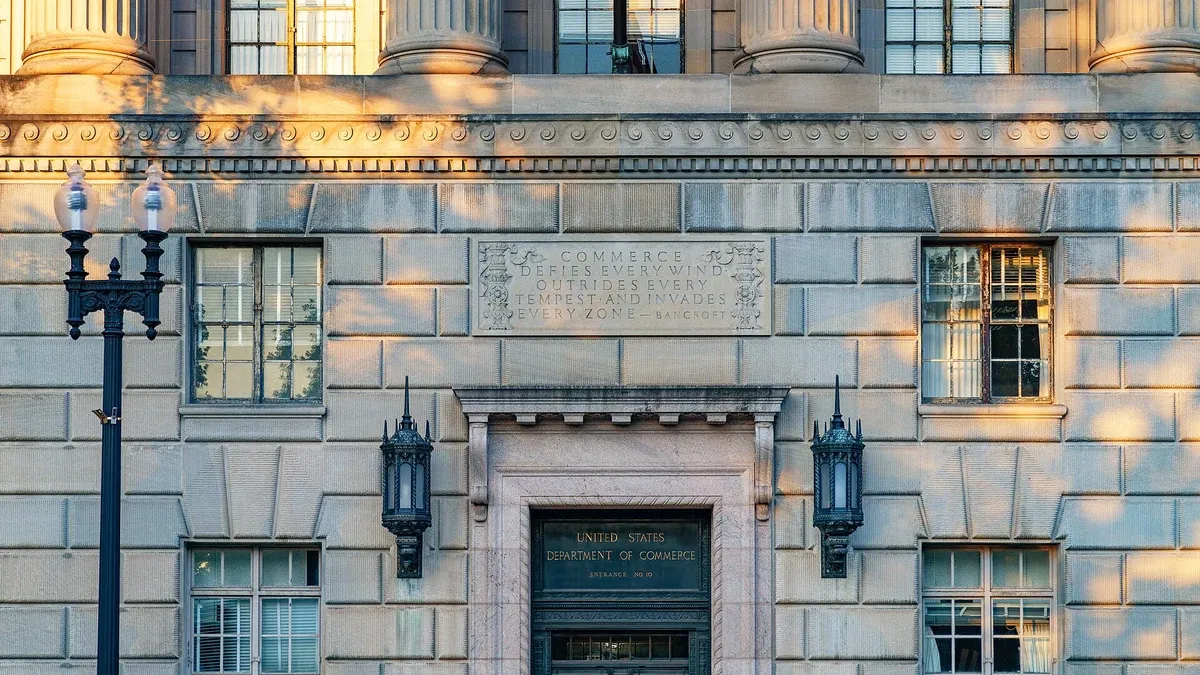
The US Commerce Department says its Megaspeed investigation began in 2024, two years before the Singapore cloud company became the center of the Nvidia China chip scandal. In a joint statement with the Justice Department released on November 16, the agencies disclosed for the first time how the probe unfolded, including Nvidia’s decision to put Megaspeed on its “no sell” list in June 2025 and the Justice Department’s move to take the lead in a criminal investigation.
The disclosure is the fullest official account yet of an investigation that began quietly and ended up entangled with the resignation of Nvidia chief executive Jensen Huang on November 12. It also shows how far back the US government’s scrutiny of AI chip diversion runs, and how much of it happened before the public knew Megaspeed existed.
What the Agencies Disclosed
“After identifying suspicious activity through proactive monitoring of potential sensitive semiconductor diversion, the Department of Commerce initiated an investigation into Megaspeed in 2024 for potential export control violations,” the two agencies said in the joint statement.
The timeline the agencies laid out runs as follows. In May 2025, Commerce Department investigators requested records from Nvidia concerning direct or indirect sales to Megaspeed. In June 2025, Nvidia placed Megaspeed on its “no sell” list. That same month, US agents, working with Singaporean law enforcement, conducted an on-site, in-person end-use check at Megaspeed and interviewed Alice Huang, who was then the company’s chief executive. Following that enforcement action, the Justice Department took the lead role in a criminal investigation into Megaspeed.
The agencies said they typically do not comment on ongoing investigations, but that on this occasion the details provided were in the public interest.
What Singapore and Megaspeed Say
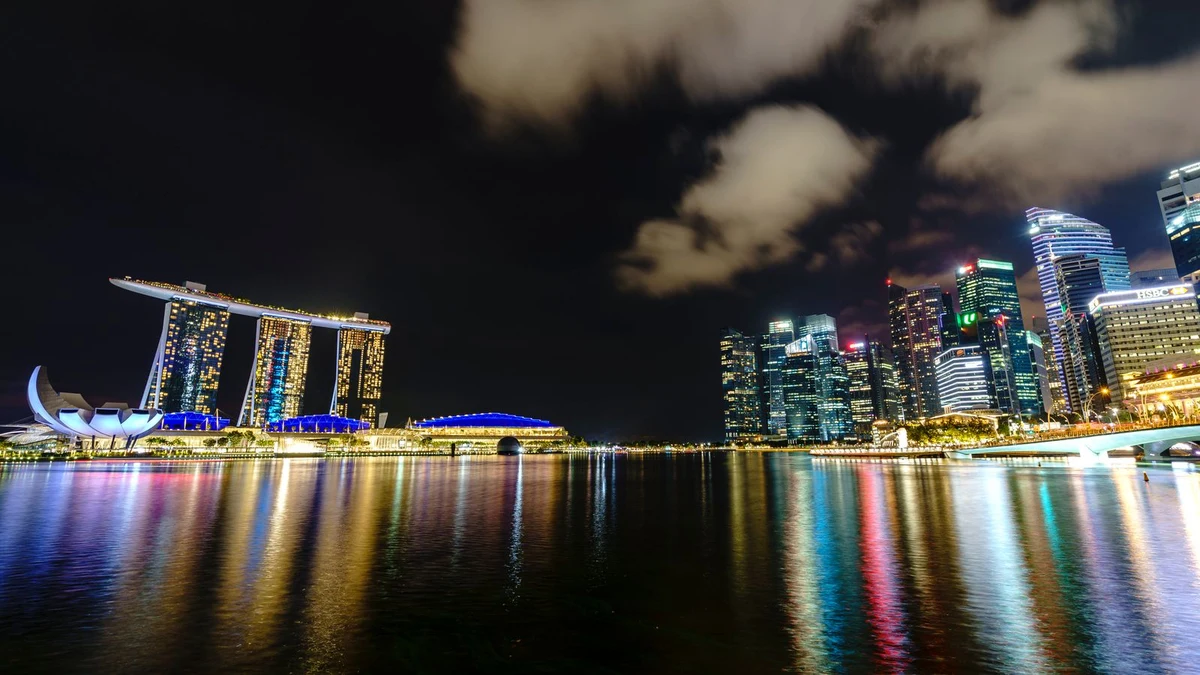
Megaspeed said on November 15 that Alice Huang officially left the company on August 30, 2025, and that it conducted a “legitimate and lawful business.” Singapore’s government said on November 16 that it had agreed to continue discussions with Washington about Megaspeed.
Singapore said last week that Alice Huang had previously worked as the company’s chief executive, chairperson and one of its key controllers. Police found insufficient evidence that she had committed offenses relating to suspected false declarations over server purchases, but warned her for knowingly providing inaccurate information that played down her role. The city-state has barred her from re-entering Singapore, while investigations into Megaspeed and six other individuals continue, the home affairs ministry said.
What Is Still Unverified
Megaspeed came under scrutiny after reports that Huang had an affair with Alice Huang, a former top executive at the company whom some US authorities suspect had ties to Chinese espionage efforts. Several news organizations, including the New York Times, have reported that US and other government authorities had suspicions that she was spying for Beijing.
Reuters reported that it has not been able to verify the espionage allegations, and that US intelligence agencies are still trying to determine her relationship with China’s Ministry of State Security. Evidence gathered so far indicated she was probably an intelligence asset, someone who shared information, rather than a fully trained spy, according to two sources familiar with the matter. Beijing has rejected allegations that she is a spy. Reuters also said it has not been able to contact Alice Huang for comment.
That uncertainty is the story’s core. The agencies have now confirmed the mechanics of the probe: when it started, what Nvidia was asked for, when the company cut Megaspeed off, and who is running the criminal case. What they have not confirmed is the espionage question at the center of the public scandal, and that part remains a set of allegations from anonymous sources, denied by Beijing and unproven in public.
Why It Matters
The disclosure lands in the middle of a wider US crackdown on AI chip diversion. Washington has tightened rules to block remote access to advanced AI chips, and Reuters previously found $3.2 billion in Chinese AI projects built around restricted Nvidia chips. The Megaspeed timeline shows the enforcement machinery was already moving in 2024, a year before the new rules and months before the scandal broke into public view.
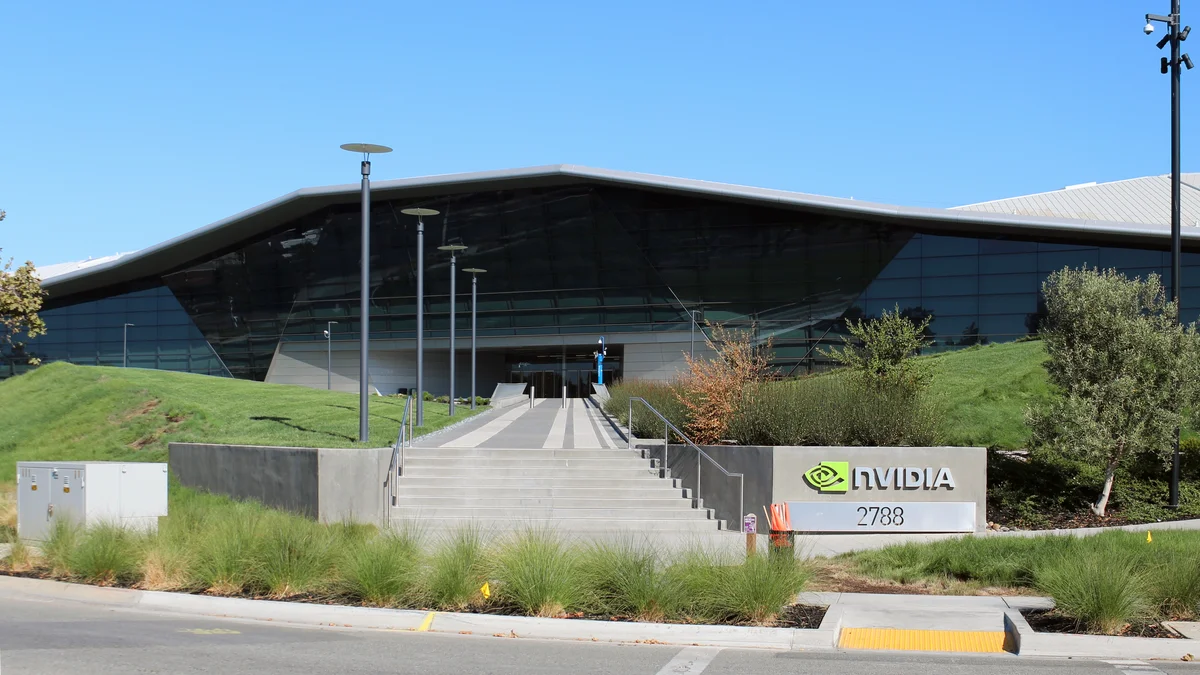
For Nvidia, the statement is double-edged. It shows the company cooperated with investigators and cut off Megaspeed in June 2025, months before Huang resigned. It also confirms that Commerce investigators were asking Nvidia about its sales to the company, a line of inquiry that is now part of a criminal case led by the Justice Department. Nvidia did not immediately respond to a request for comment from Reuters outside regular business hours.
The next steps belong to the investigators. Singapore has agreed to keep talking to Washington, and its own investigations continue. Until the Justice Department brings charges or closes the case, the public record consists of what the agencies chose to release on November 16: a probe that began in 2024, a cutoff in June 2025, and a criminal investigation that is still open.