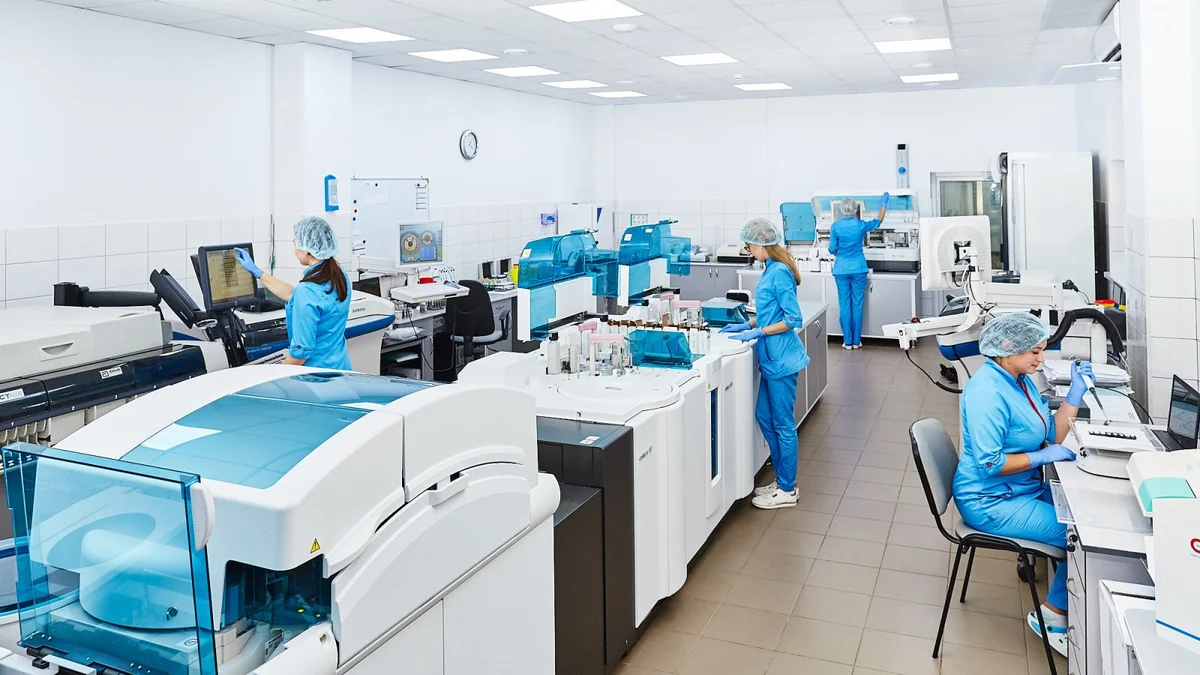
OpenAI is doubling the reach of its ChatGPT for Academic Researchers program, offering free access to ChatGPT to up to 200,000 researchers worldwide. The company announced the expansion on November 16, alongside new research on how scientists used the tool during its summer pilot.
Applications for the next round open on Monday, November 23. OpenAI will award 50,000 new grants on a first-come, first-served basis, replacing the lottery system used in the pilot. Each grant gives the recipient and up to two collaborators free access to ChatGPT Plus, which means this round alone could support up to 150,000 researchers.
What Was Announced?
The ChatGPT for Academic Researchers program began as a pilot in July 2026. Since then, 20,000 researchers in 33 countries have joined. OpenAI says the new target of 200,000 researchers is double the goal it set when the pilot launched.
Researchers who are already on the waitlist and qualify will receive an email before applications open, with instructions for activating their accounts. Participants can use OpenAI’s frontier models and receive training on how to use ChatGPT in their research. By default, OpenAI says it does not use data shared through the program to train its models.
OpenAI is also expanding the program in India, where eligible research faculty and postdoctoral researchers at selected institutions can apply for the same free access, according to CNBC TV18. Applications for researchers in India open on November 30, and each grant there covers three ChatGPT Plus seats free for 12 months.
What Researchers Get
The new grants provide ChatGPT Plus, not the ChatGPT Pro tier that pilot participants received. OpenAI said it reviewed pilot usage and found that most participants would have stayed within the usage limits of Plus, so offering Plus lets the company extend access to more research teams.
The program is one of several routes OpenAI offers to researchers. Through ChatGPT Edu, universities can give campus communities access to ChatGPT for research, teaching and learning. For biology, GPT-Rosalind combines specialized biological reasoning with scientific tools and databases, and its Rosalind Academic Plan offers eligible labs at U.S. universities up to 30 seats at no cost for up to 12 months, subject to a trusted-access approval process.

What the Pilot Found
Alongside the expansion, OpenAI published a study from its Economic Research team, Science at the Frontier: How Scientists Use ChatGPT, which examined how more than 1,800 researchers used ChatGPT during the summer pilot. Surveyed participants estimated that, without AI, the same research work at the same quality would have taken nearly twice as long.
OpenAI highlighted two examples from the pilot. Shuqi Li, a researcher at Brigham and Women’s Hospital and Harvard Medical School, is exploring whether ChatGPT can help link lab and patient data to speed up antibiotic development and find new drug targets that could shorten tuberculosis treatment. Arthur Porto, assistant curator of AI biodiversity at the Florida Museum of Natural History, and his team use AI tools to turn photographs of museum specimens into searchable databases, and created a 3D model of a butterfly whose wings change color as you turn it, just like the real specimen.
The self-reported time savings are survey estimates, not a controlled measurement, and OpenAI presents them as participants’ own assessments. Even so, the finding helps explain why the company is moving from a lottery to first-come, first-served access: demand from researchers has outgrown the pilot’s size.
A Wider Push for Scientists
OpenAI is not the only lab courting researchers. Google DeepMind has added its frontier model Gemini 4 Carbon to its own scientist access program, giving 10,000 selected scientists six months of free access through Google Antigravity. Carbon became generally available to paying developers and Google AI Ultra subscribers on November 10, as GPTOnline reported at the time.
OpenAI is also putting money behind the academic effort. The company said it contributed $5 million to a new Simons Foundation initiative to help mathematicians examine, understand and build on results produced by AI.
Why It Matters
Free frontier AI for researchers has become a quiet contest between the major labs, and the stakes are practical rather than symbolic. Access to the strongest models can decide how fast a lab tests a hypothesis, analyzes a dataset or drafts a paper, and the labs know that researchers who learn their tools in the lab often keep using them elsewhere.
OpenAI framed the expansion in those terms. “We want more researchers to have the tools and support to pursue ambitious questions and make discoveries that improve people’s lives,” the company said. “That is central to our mission of ensuring that AGI benefits all of humanity.”
For researchers, the details matter as much as the headline number. The switch from Pro to Plus seats is a trade-off: more people get in, but with lower usage limits. The first-come, first-served system rewards applicants who move fast when the window opens on November 23, and the 50,000 grants are likely to go quickly given the pilot’s 20,000 participants joined in just four months.
Sources
- OpenAI: Broadening access to AI for scientists
- EconoTimes: OpenAI pilot participants estimate AI nearly halves research time
- CNBC TV18: OpenAI offers 12-month free access to Indian academics for ChatGPT research programme
- EdTech Innovation Hub: Google adds Gemini 4 Carbon to free scientist access program