Nvidia warned chip buyers in recent months that a proposed US law on remote access to its AI chips could expose both the company and its customers to US legal action, CNBC reported on Tuesday, citing two people with direct knowledge of the matter. On the same day, Nvidia’s board announced a new committee to oversee the company’s national security policies and export control compliance.
The warning centers on the proposed Remote Access Security Act, known as RASA, which would give the US government broader authority to control access to cloud services in the same way as physical hardware. According to the two people, who asked not to be named while discussing private communications, Nvidia messaged chip buyers to caution that the bill could put both sides at legal risk if Chinese companies reach its advanced chips through overseas data centers.
Nvidia also told customers that, for now, it would not sell its chips to buyers who rent more than 50% of their graphics processing units, or GPUs, to Chinese companies, the people said. The Financial Times separately reported earlier this month that Nvidia had verbally told data center clients to direct at least 51% of their services to non-Chinese customers under future contracts.
What the proposed law would change
Current US controls restrict shipments of advanced chips to China, but regulators have had limited power to control access to those chips through cloud services hosted overseas. That gap is the target of both the proposed bill and a new rule from the Commerce Department.
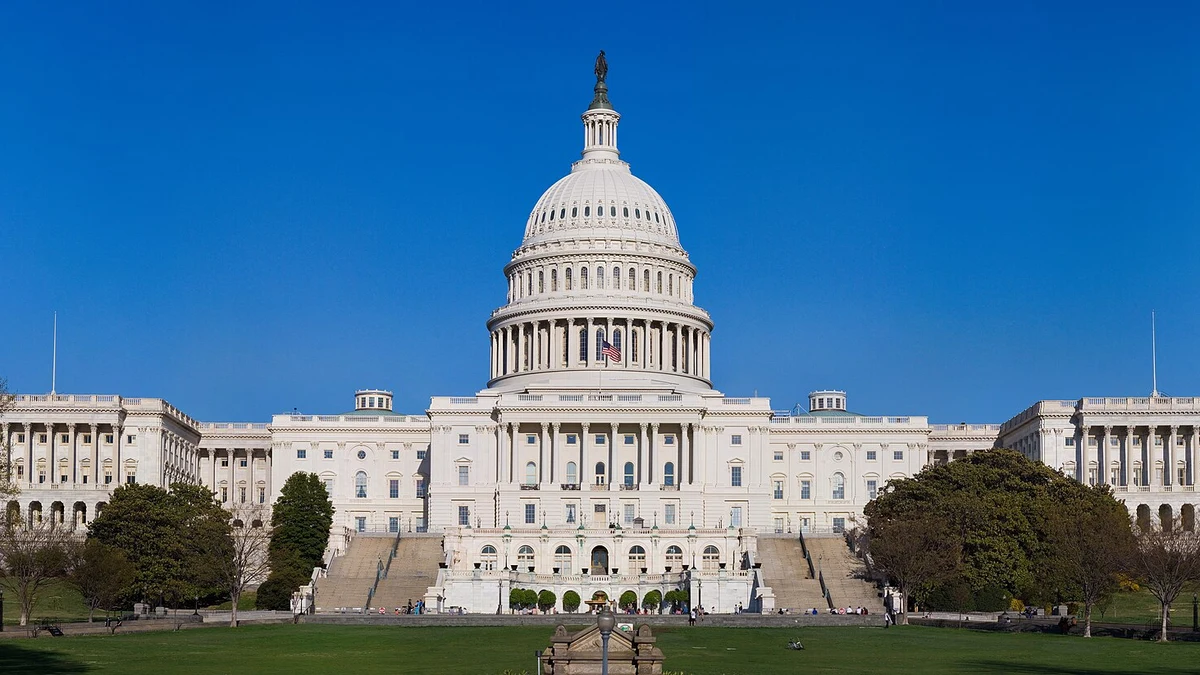
RASA passed the House of Representatives in January but has not yet passed the Senate, CNBC reported. Remote access to advanced chips has drawn the attention of President Donald Trump’s administration, which has sought to keep the chips out of China to maintain the US lead in the AI race.
Renting computing capacity has become a central way for Chinese firms to reach American chips without importing them. CNBC reported on Nov. 5 that Chinese lab Moonshot AI sought access to Nvidia chips through data centers in Europe, and the Trump administration had singled the company out in July, accusing it of accessing the chips through centers in East Asia.
A rule arrived first
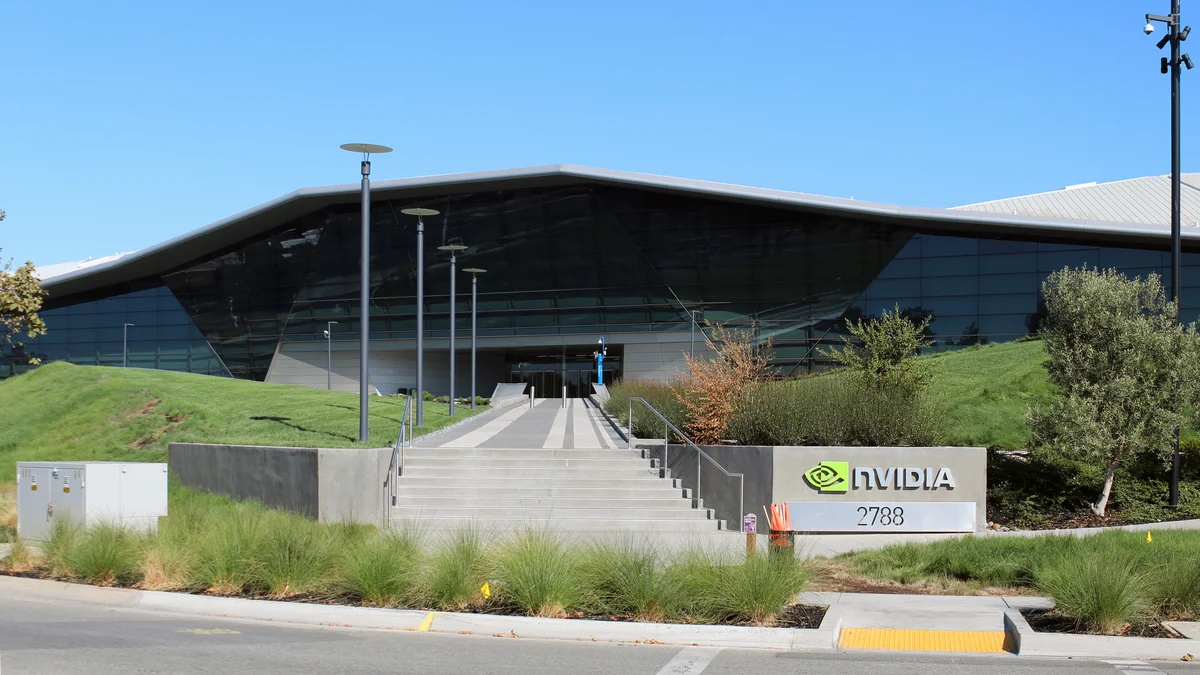
The Commerce Department’s Bureau of Industry and Security, or BIS, announced on Monday an interim final rule designed to prevent Chinese companies’ remote access to AI chips. The rule is an administrative step that takes effect faster than legislation, but it rests on weaker legal footing than a law passed by Congress, according to reporting on the measure.
The warning also follows a Reuters investigation that found Chinese developers using US AI models to train homegrown rivals through distillation, and a joint disclosure by the Commerce and Justice Departments that their probe of Singapore distributor Megaspeed began in 2024. Nvidia put Megaspeed on its “no sell” list in June 2025.
Neither Nvidia nor BIS responded to CNBC’s request for comment. Reuters, which also covered the CNBC report, said it could not immediately verify it, and Nvidia did not immediately respond to Reuters’ request for comment.

Board creates an export control oversight committee
Separately on Tuesday, Nvidia’s board of directors established a National Security and Export Control Oversight Committee, a new standing committee responsible for board-level oversight of the company’s national security policies, export control compliance and global trade risk management, Nvidia announced.
The committee will be chaired by director Suzanne Nora Johnson and will also include directors Stephen C. Neal and John O. Dabiri as members. It will meet at least quarterly, including with management and in executive session. Nvidia’s existing National Security Team and Global Trade Compliance Team will report directly to the committee and to interim CEO Colette Kress on day-to-day operations, and the committee will work with independent outside experts in law, national security and trade compliance.
“We are committed to working constructively with government and industry partners to help establish and advance a robust framework that uses every tool at our disposal to safeguard national security while supporting continued technological innovation,” Harvey Jones, chairman of Nvidia’s board, said in the announcement.
Pressure from Washington
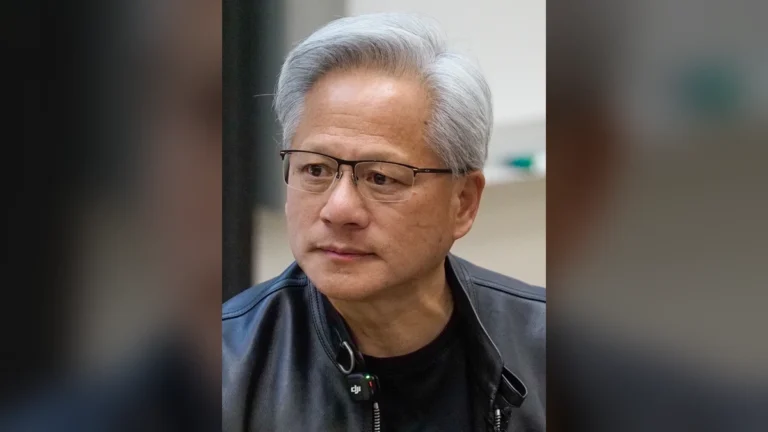
The committee arrives days after Jensen Huang resigned as chief executive on Nov. 12, amid growing scrutiny over how Chinese companies have accessed Nvidia’s chips. On Sunday, Treasury Secretary Scott Bessent called for a “dramatic shakeup” at Nvidia and suggested other executives should face scrutiny over the company’s compliance with export controls.
“I want to keep coming back to what was the culture at Nvidia, and were they pressing these seemingly illicit sales to goose their revenues and their earnings?” Bessent said in a Fox News interview, according to CNBC.
In an August securities filing, Nvidia said it sought to “strictly comply with all applicable export control regulators” but did not have “physical control of our products after sale” and relied on its customers’ and partners’ compliance programs. Huang has been asked to testify before the Senate Banking Committee on Dec. 3.
The developments come hours before Nvidia reports fiscal third-quarter results on Tuesday after the market closes, its first report since Huang resigned, at about 4:20 p.m. ET, with a call at 5:00 p.m. ET.
Why it matters
The warning to buyers and the new board committee show Nvidia treating remote access to its chips as a legal and governance risk, not only a policy debate. If RASA becomes law, the company’s customers could face the same exposure as Nvidia itself, which would change how data centers around the world decide who can rent their most powerful hardware. For now, the company’s own 50% rental threshold and the new Commerce rule are the immediate constraints, while Congress, the courts and Nvidia’s board all weigh in on the same question: who gets to use American AI chips, and from where.
Sources
- CNBC: Nvidia warns chip buyers of legal risks tied to China AI access, sources tell CNBC
- NVIDIA Newsroom: NVIDIA Board of Directors Establishes National Security and Export Control Oversight Committee
- GlobeNewswire: NVIDIA Board of Directors Establishes National Security and Export Control Oversight Committee
- Reuters: Nvidia board forms committee for national security and export control oversight