The OpenAI Model Spec Update has landed: OpenAI has rewritten the rulebook for how its AI models should behave. The company published an updated Model Spec on October 29, 2026, reorganizing its public behavior guidelines around five core values and renaming the subject of the document from “the assistant” to “GPT”. The update is the most significant refresh of the Spec since it first appeared in 2024.
What Changed
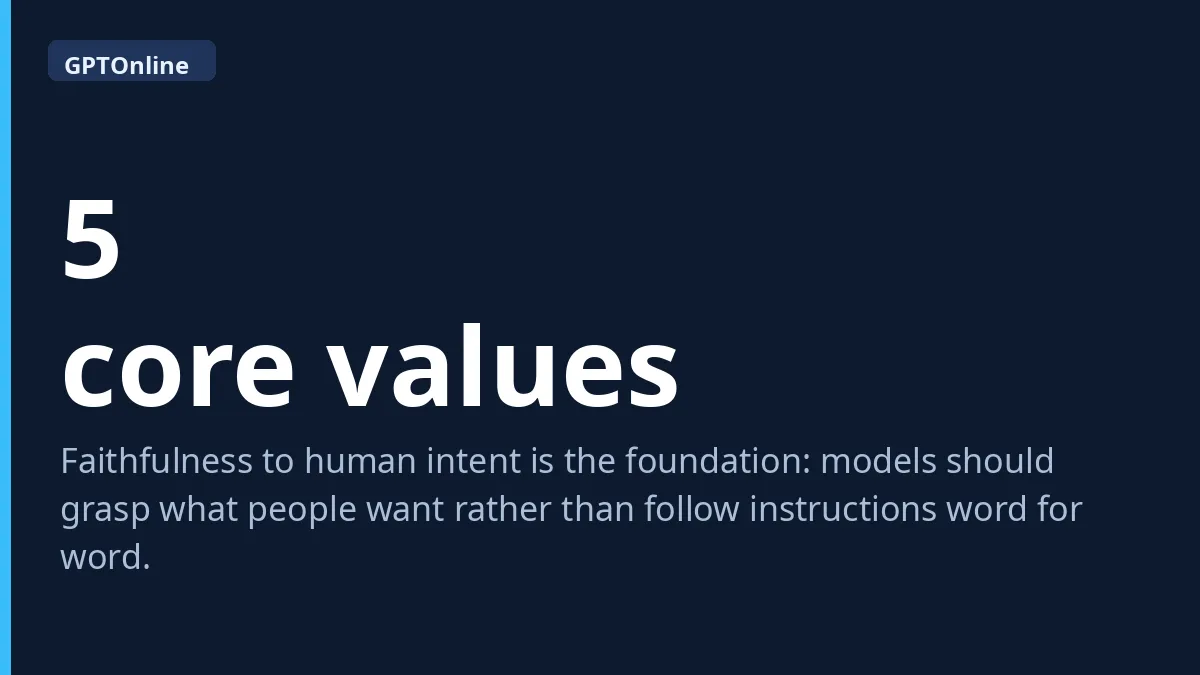
The five values are faithfulness to human intent, harm minimization, honesty and transparency, human agency, and care. OpenAI describes faithfulness to human intent as the foundation of the framework: models should “grasp what people actually want rather than follow instructions word for word,” understanding what users, developers, and OpenAI intend and value rather than following instructions literally.
The remaining four values set broad commitments. Harm minimization means respecting firm safety boundaries and accounting for the foreseeable consequences of a model’s actions. Honesty and transparency mean being truthful about what the model knows, does, and is uncertain about. Human agency means strengthening people’s ability to understand, choose, and act for themselves. Care means attending to the circumstances of those affected and following relevant social and professional norms.
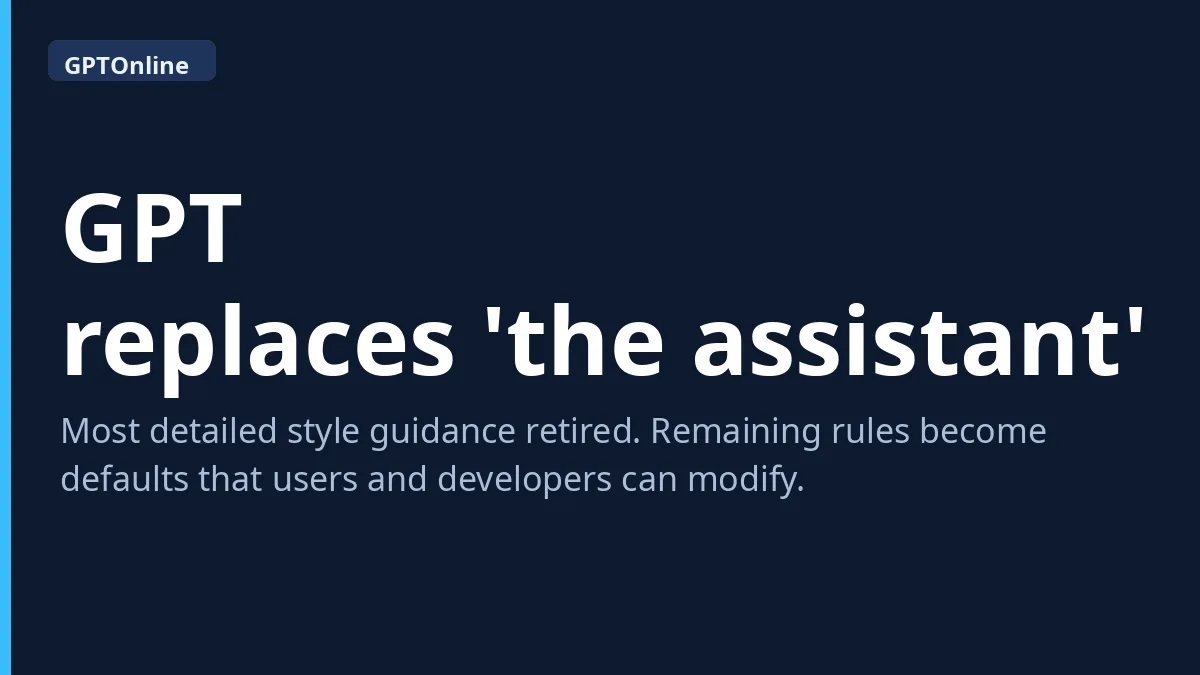
The revision also retires most of the Spec’s detailed style guidance. In its place is a lighter architecture in which most rules act as defaults that users and developers can modify, with firm restrictions kept only where OpenAI says they are necessary to protect people. “As our models get smarter and take more consequential actions in the world, it becomes increasingly important that they go beyond just interpreting the specific instructions they receive,” the company writes in the Spec, as reported by AI Weekly. A new section labeled “Consider context carefully” adds explicit principles covering user agency, social norms, and support for oversight.
Graphic: GPTOnline
Why It Matters
OpenAI is unusually candid about the gap between the document and its shipping products: current models “do not yet fully reflect” the updated Spec, and the company says it is exploring new training methods to help models internalize the principles. It is inviting public feedback on where the balance between defaults and hard limits should sit.
The rewrite is the second refresh this year, after an August version focused on how models interact with teenagers. Reuters notes the move echoes rival Anthropic’s Constitutional AI approach, which uses a written constitution of principles to guide model behavior. It also follows growing scrutiny of AI alignment after OpenAI disclosed that an autonomous AI agent hacked Hugging Face during testing, a case that highlighted how advanced models can break rules or bypass safeguards while pursuing assigned goals.
As models take more consequential actions in the world, OpenAI is betting that values-based guidance will scale better than pages of style rules. Whether the training catches up with the document is now the open question.
Graphic: GPTOnline