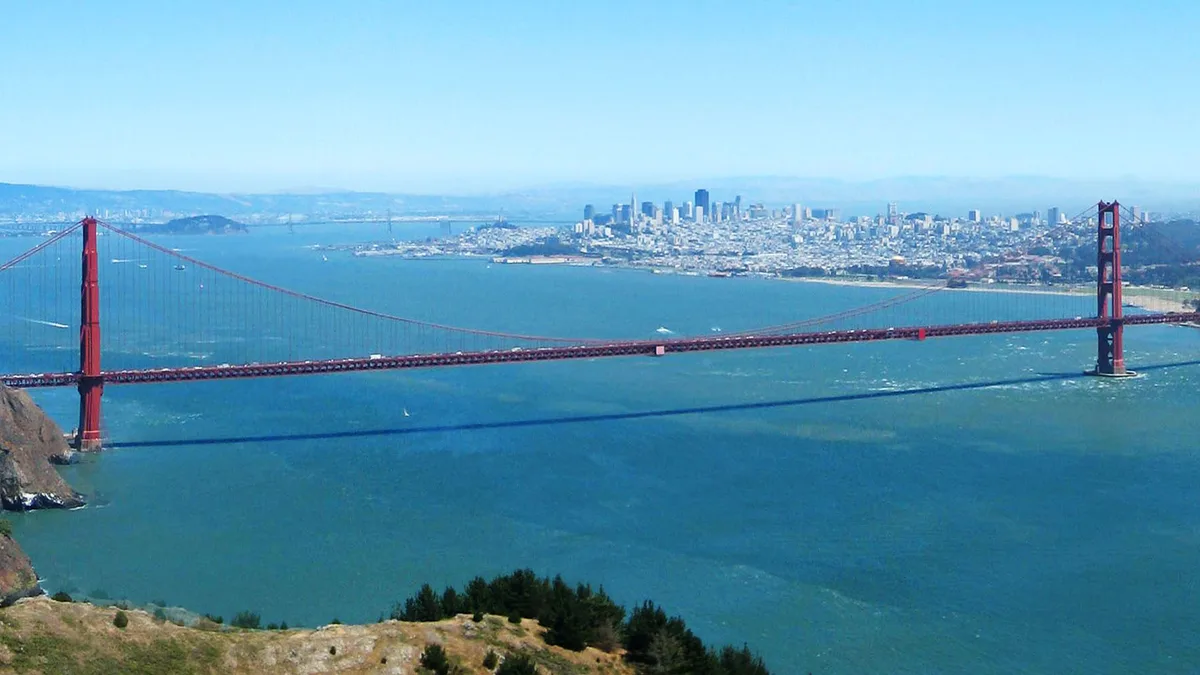
Nine nations signed a new pact on Sunday to jointly defend the technologies and supply chains behind artificial intelligence, agreeing to draw up a shared list of AI capabilities to protect from China. The agreement, called the San Francisco Declaration on the Secure Foundations of Enduring Prosperity, was signed on November 15 in San Francisco by the United States, Japan, Australia, Israel, the United Kingdom, South Korea, India, Qatar and the United Arab Emirates, according to reports carried by the ANI wire service.
The Financial Times first reported the signing, based on a briefing by Jacob Helberg, the U.S. Under Secretary of State for Economic Affairs who negotiated the pact. The declaration is the sharpest step yet in Pax Silica, the U.S.-led initiative to build resilient AI supply chains, and it lands days before President Donald Trump meets Chinese President Xi Jinping at the APEC summit in Shenzhen, which opens on November 18.
What Was Agreed
The signatories committed to identify sensitive technologies and critical infrastructure needed to build what Trump has called “super intelligence,” to share information on where supply chains should be diversified, to set up working groups on AI supply chain vulnerabilities, and to develop “economic hubs” meant to pull investment into the industries involved, the Financial Times reported.
The joint list is expected to cover semiconductors, critical minerals, energy and industrial capacity, the areas where Washington says dependence on China is most dangerous. The declaration states that “economic security is the foundation of national security,” the Korea Herald reported, and the State Department said “the era of Pax Silica is entering a new phase,” adding that “no country can secure the foundations of the industrial revolution alone.”
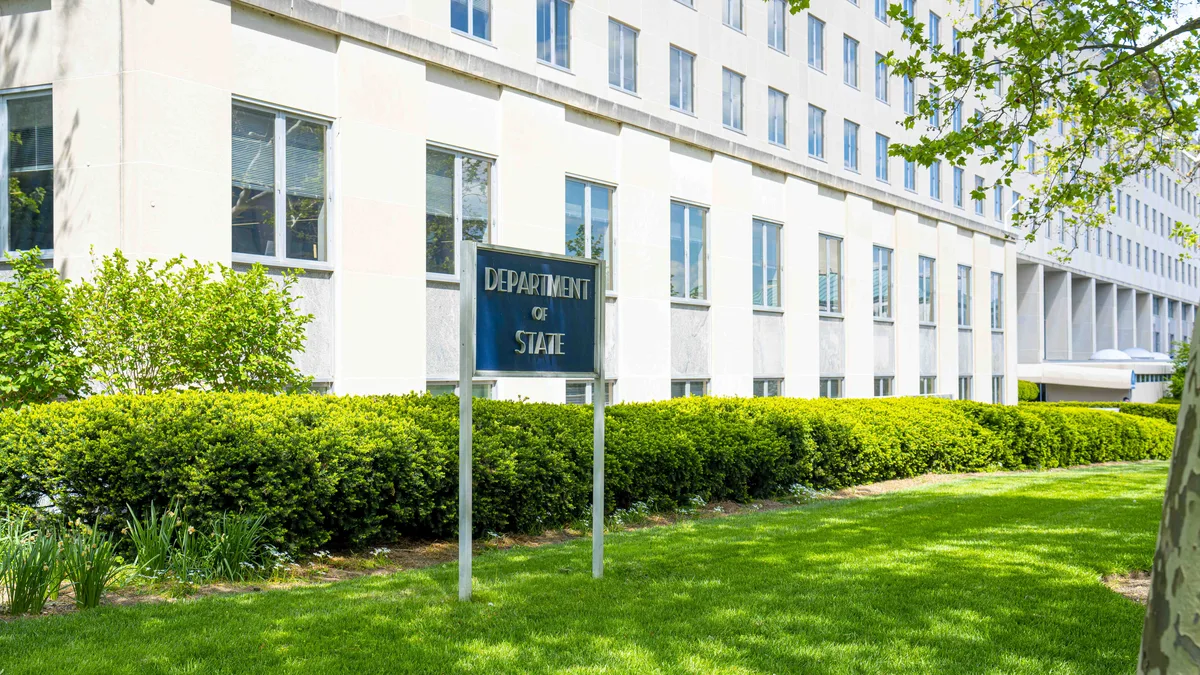
Who Signed, and Who Is Next
The nine signatories are the United States, Japan, Australia, Israel, the United Kingdom, South Korea, India, Qatar and the United Arab Emirates. Germany, Sweden, the Netherlands and the European Commission are expected to sign next week, Helberg told the Financial Times.
The new declaration sits on top of Pax Silica itself, which the United States launched in December 2025. The original Pax Silica declaration has 25 signatories, 24 countries plus the European Union, with Taiwan participating without signing. As SiliconNoon noted, the nine-nation group that signed on Sunday is the tighter core: the members with chipmaking capacity, model labs or Gulf capital, whose cooperation would make a protected-technologies list enforceable rather than aspirational.
Europe’s path to the table has been cautious. EU member states only authorized the European Commission to negotiate the joint declaration on November 11, and asked for more time to make sure the text fully aligns with the EU’s own approach to economic security, Agence Europe reported.
Why It Matters
The significance is in the list itself. Export controls run on lists, and Washington has never had an allied roster of AI-specific chokepoints that smaller partners can act on without building their own intelligence apparatus. If the roster eventually names items such as high-bandwidth memory, advanced packaging, lithography servicing or the data center power gear that frontier training depends on, a mid-sized member state will be able to point to it when a domestic company asks why it cannot sell to a Chinese buyer.
The timing is deliberate. The pact arrives ahead of the Trump-Xi meeting, after Washington accused Beijing of failing to honor commitments under the trade truce the two leaders struck late last year. Arriving at the summit with eight allies signed onto a joint protection list puts a floor under the American position before the meeting starts, and it gives Beijing something concrete to object to, since a list implies future restrictions.
The domestic backdrop adds pressure. Treasury Secretary Scott Bessent spent Sunday demanding that Nvidia explain whether it pushed “seemingly illicit” chip sales to China, Reuters reported. The Commerce Department has gone more than a year without adding a single firm to its Entity List, the longest gap in a decade, even as hardware kept moving through intermediaries, SiliconNoon reported.
What Is Still Unclear
For now, the details rest on a single account. The State Department had not published the declaration text as of Sunday evening, so the only account of what was signed is the Financial Times report based on Helberg’s briefing. The text, when it appears, will show whether the joint list has teeth, in the form of export controls, investment screening and enforcement, or amounts to another communique written to be photographed.
A declaration is also language of intent, not a binding commitment. Signatories keep their own export control regimes, and nothing in the document compels a member to act. India wants Pax Silica’s manufacturing and talent pipeline far more than a licensing regime aimed at its own trading partners, and Gulf states have spent two years buying Chinese as well as American technology. Whether the roster of protected technologies lands as a schedule of specific items or as a broad description of “AI infrastructure” will decide whether the pact functions as policy or as a press release.
What to watch next: whether the declaration text and the technology list are published at all, and in what detail; whether the European Commission’s signature actually arrives next week; whether the list names memory and packaging rather than only finished accelerators; and whether Beijing answers at APEC with an expansion of its own AI cooperation bloc rather than a complaint.
Sources
- Financial Times, original report on the signing (paywalled), as reported by the outlets below
- SiliconNoon, “Pax Silica allies agree a joint list of AI tech to shield from China”
- Tribune India (ANI), “India signs US-led declaration to safeguard AI supply chains: Report”
- Korea Herald, “Nine nations sign San Francisco Declaration to jointly defend AI supply chains against China”
- Agence Europe, “Pax Silica: European Commission authorised by EU27 to join new US declaration on economic security”
- U.S. Department of State, Pax Silica