| Name |
Lmql |
| Overview |
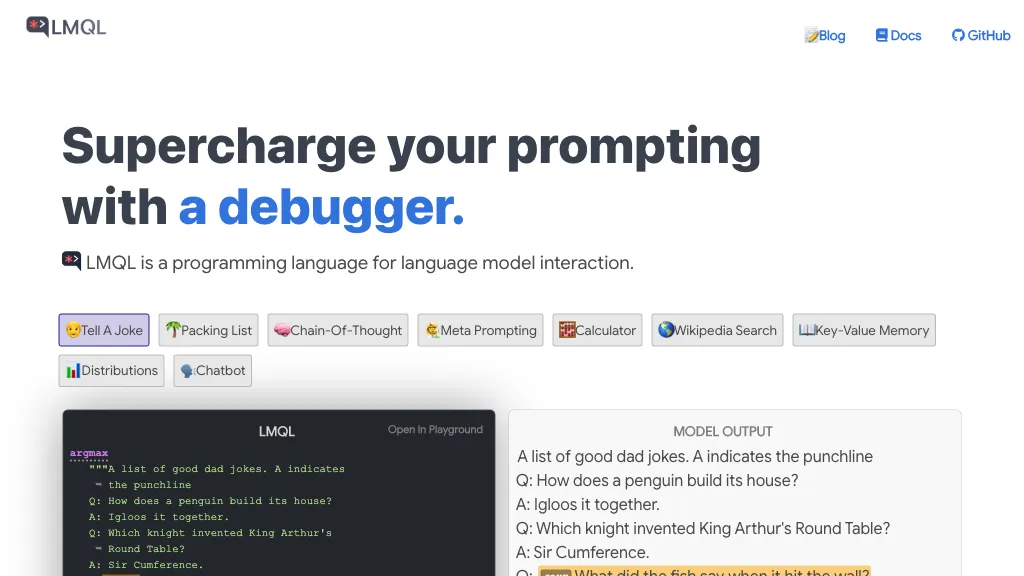
LMQL is a sophisticated programming language specifically designed for engaging with Large Language Models (LLMs). Its primary goal is to streamline the interaction with these models through various features like modular prompting, types, templates, and constraints. Users can utilize LMQL for an extensive array of tasks, from straightforward queries to intricate procedural programming assignments. Among its highlights is the ability to conduct nested queries, which fosters the reuse of prompt components and augments procedural programming capabilities. Furthermore, LMQL’s design ensures effortless portability across multiple backends, enabling users to transition between platforms with minimal effort. The construction and generation of prompts leverages Python’s expressive control flow and string interpolation, making it a dynamic and powerful tool for LLM interactions. |
| Key features & benefits |
- ✔️ Enables training and optimization of language models.
- ✔️ Produces coherent and contextually relevant text.
- ✔️ Facilitates fine-tuning of language models for specific purposes.
- ✔️ Allows for model evaluation and analysis to enhance performance.
- ✔️ Supports deployment and integration of language models into various applications.
|
| Use cases and applications |
- Create targeted prompts for LLMs using types, templates, and constraints for diverse tasks.
- Execute procedural programming assignments by taking advantage of LMQL’s modular local instructions.
- Promote seamless portability for LLM interactions across different backend systems and platforms.
|
| Who uses? |
- Machine Learning Engineers
- Data Scientists
- AI Developers
- Researchers
|
| Pricing |
Free version available with full features. |
| Tags |
LMQL, Large Language Models, Programming, AI Development |
| App available? |
No |
KEEP EXPLORING
More tools to discover.
Windsurf is now Devin Desktop. Explore coding agents, current pricing, usage limits, privacy controls, and a practical code-review workflow.
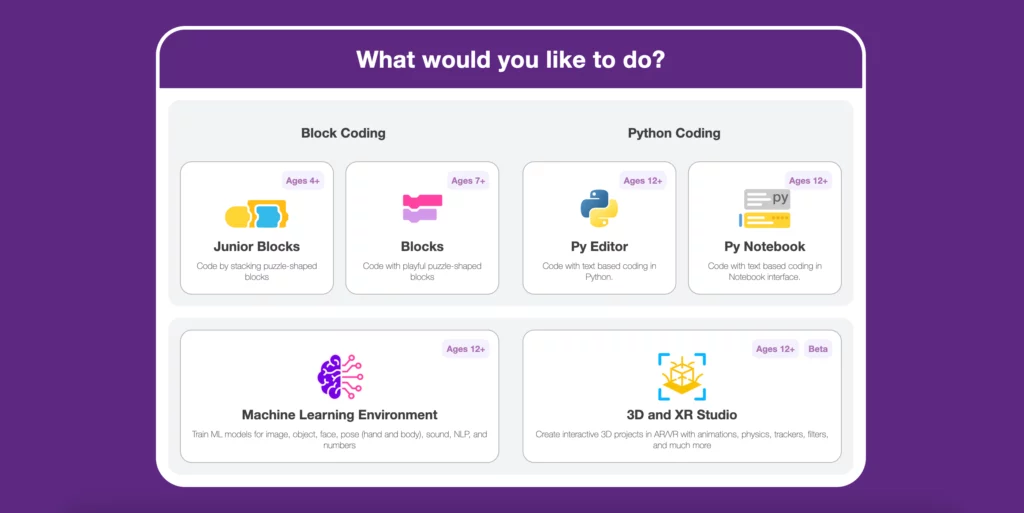
An interactive coding platform empowering kids and beginners to build AI, ML, and Robotics projects using drag-and-drop blocks or Python scripts.
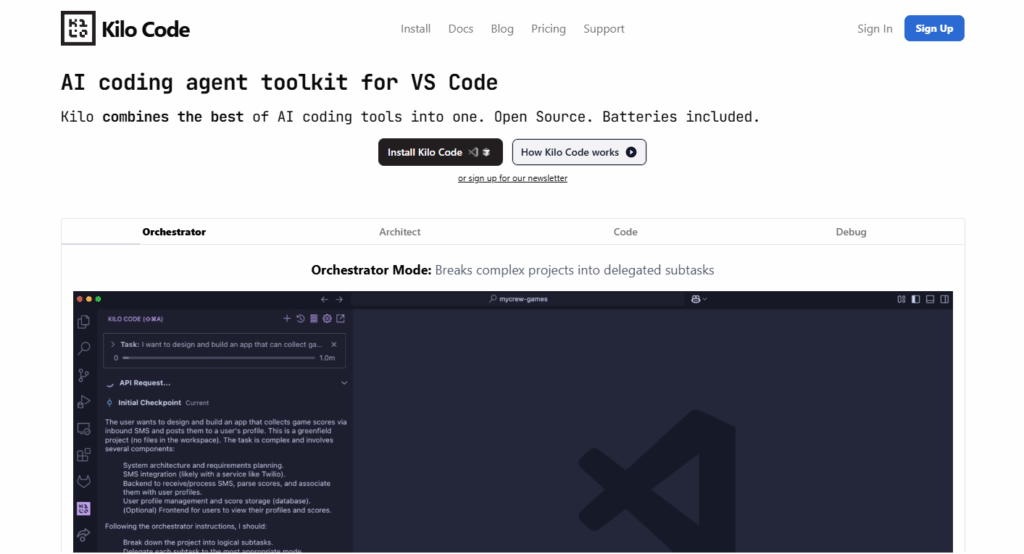
Kilo Code AI is an open-source, multi-agent coding assistant for VS Code that generates, debugs, and automates code using natural language and AI models.
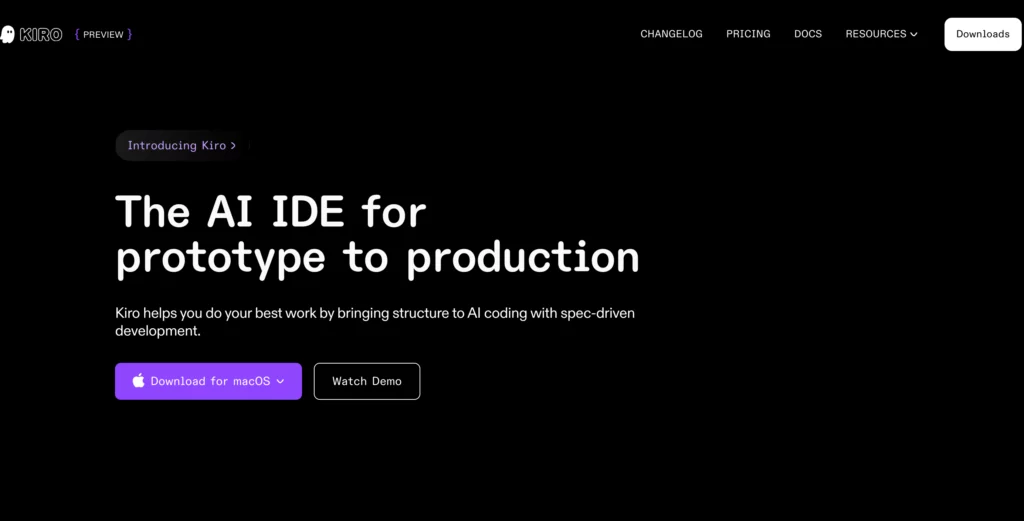
Kiro AI is an agentic, spec‑driven IDE built on VS Code foundation that turns feature ideas into structured specs, design docs, and task flows, powered…
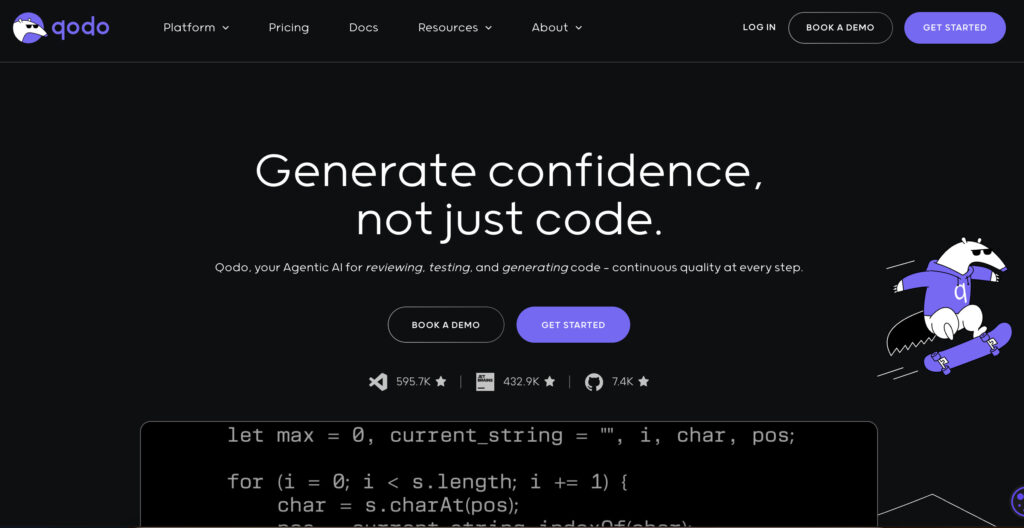
Qodo is an AI-powered coding assistant focused on quality. It helps developers write, test, and review code efficiently using IDE and Git integrations.
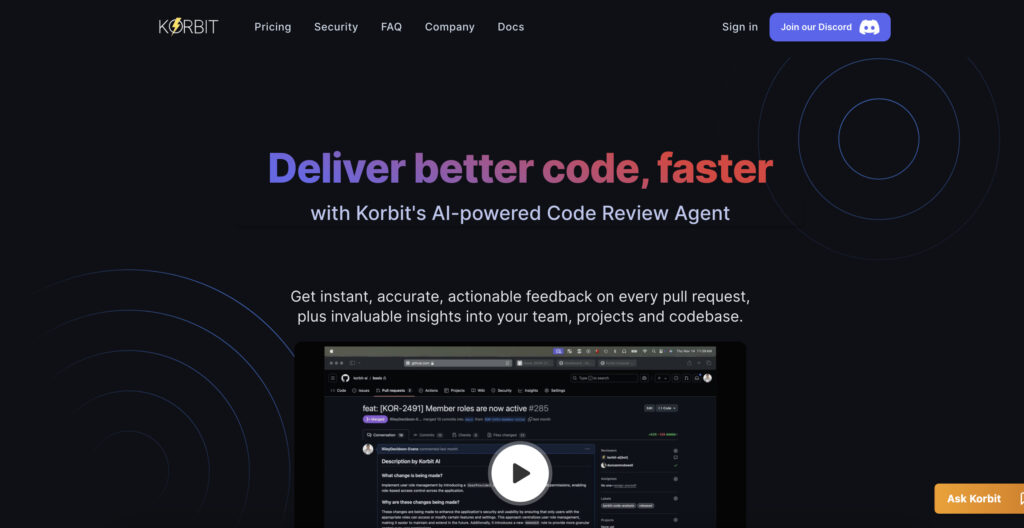
Korbit AI automates pull request reviews with instant, intelligent code analysis, boosting productivity, quality, and team learning effortlessly.