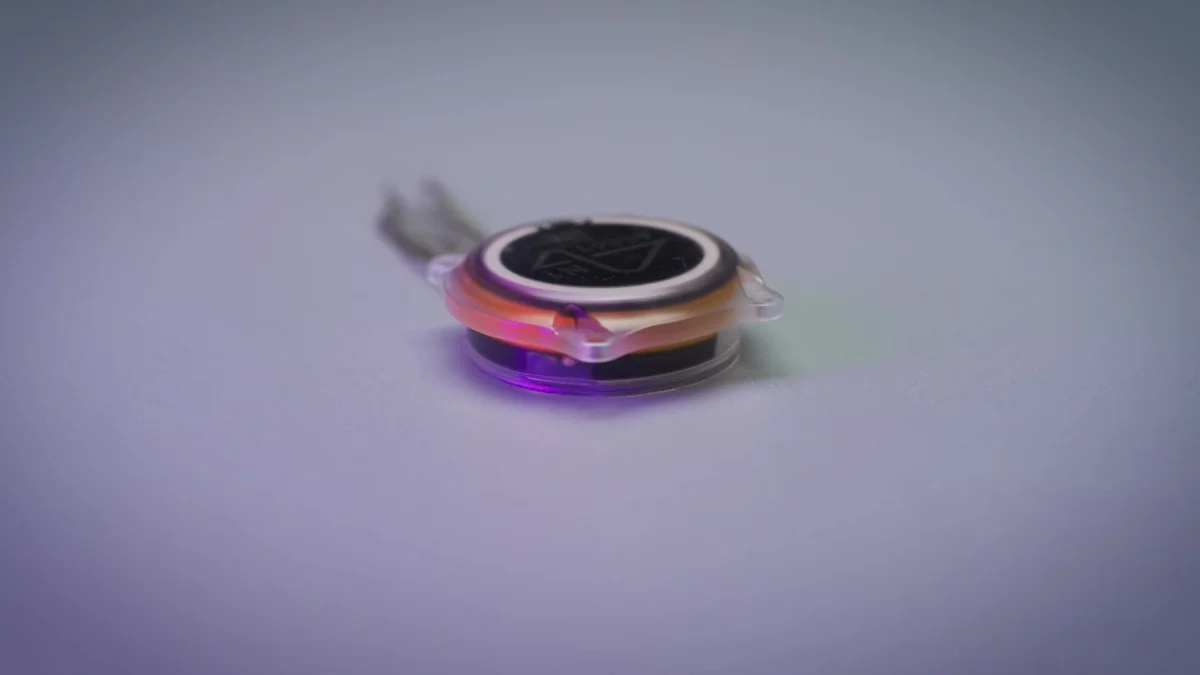
Neuralink has received approval from the US Food and Drug Administration to launch LINK, the first pivotal trial for an implantable brain-computer interface in the United States. The company announced the decision on November 25, saying the study will test whether its implant can restore independence for people with severe paralysis caused by amyotrophic lateral sclerosis (ALS).
The Neuralink LINK pivotal trial is the step that could carry the company from experimental studies toward a marketed medical device. A pivotal trial is the larger, formal study regulators use to judge safety and effectiveness before a product can be sold, and Neuralink describes LINK as the first of its kind for an implantable brain-computer interface in the US. The study will evaluate how well participants can control digital devices through thought, with a focus on functional outcomes that improve independence in daily life, while continuing to assess the long-term safety and reliability of the system across multiple clinical sites.
“We’ve received FDA approval to launch LINK, the first pivotal trial for an implantable brain-computer interface in the US,” Neuralink said on X, as quoted by Engadget. “This builds off of our work with 30+ participants with Neuralink to date.”
What the LINK Study Will Test
LINK will enroll adults with severe paralysis due to ALS, a progressive neurodegenerative disorder that damages the nerve cells controlling voluntary muscle movement. The study centers on Neuralink’s N1 implant, which records neural activity through fine electrode threads placed in the brain’s motor cortex. The implant is placed surgically, and Neuralink uses its R1 robot to insert the threads, according to Engadget.
The trial builds on Neuralink’s ongoing early feasibility studies in the United States, Canada, and the United Kingdom, where more than 30 participants have received implants and together contributed thousands of hours of real-world use. Neuralink says participants have used their implants to pursue higher education, express their creativity, play video games, and communicate with loved ones. The company also reported last year that its first participant with ALS, Bradford Smith, was able to communicate using brain signals alone, according to Engadget.

A Neuralink participant using the implant in everyday life. Image: Neuralink.
Enrollment for the LINK Pivotal Study is now open through Neuralink’s Patient Registry. The company did not disclose its target enrollment, the anticipated study duration, or the participating clinical sites, according to MobiHealthNews.
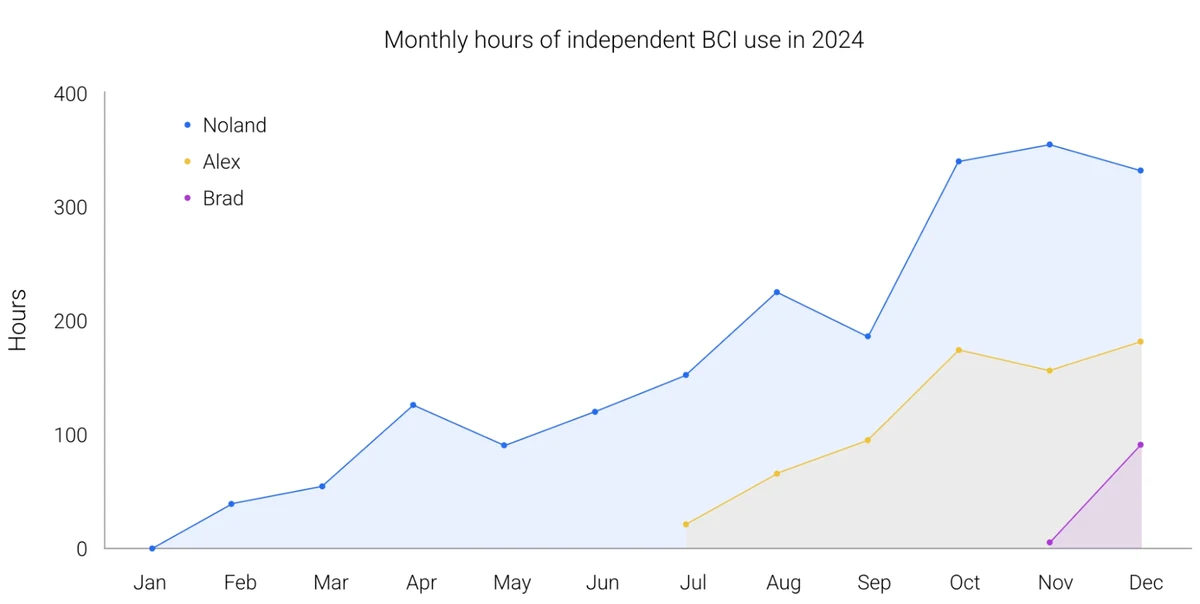
Monthly hours of independent BCI use reported by Neuralink for three early participants in 2024. Image: Neuralink.
What the Approval Does Not Mean
The FDA approval covers the trial, not the sale of the device. Neuralink’s implant remains an investigational device, available only through authorized clinical research, and the company will need further regulatory review based on the trial results before it can market the system. That distinction matters: the approval authorizes Neuralink to recruit participants and run the study under an approved clinical protocol, but it does not mean the implant itself has been approved for general medical use.
Why It Matters
ALS progressively takes away the ability to speak, type, or move, and a brain-computer interface that reliably turns thought into cursor control could restore communication and computer use for people with the most advanced form of the disease. LINK is designed to measure exactly that kind of practical benefit, not just whether the device works in a lab. If the trial succeeds, it would give Neuralink the clinical evidence needed to apply for more advanced trials and, eventually, to bring the system to market.
The study also marks a maturing moment for the brain-computer interface field. Neuralink’s early studies showed that implants could work outside the lab, with participants using them for hours a day at home. A pivotal trial is the next test: whether the technology holds up across more people, more clinics, and longer periods of use. The answer will shape not only Neuralink’s path to market, but also how quickly regulators and insurers treat thought-controlled devices as real medical technology rather than research projects.
Sources
- Neuralink, “Neuralink Receives FDA Approval to Launch LINK Pivotal Study” (November 25, 2026)
- Engadget, “Neuralink receives FDA approval for ‘pivotal’ brain implant trial in ALS patients” (November 26, 2026)
- MobiHealthNews, “Neuralink receives FDA approval to launch pivotal brain implant trial for ALS” (November 26, 2026)