A bipartisan coalition of 42 state attorneys general has asked a federal bankruptcy court to block Character.ai from auctioning off its platform together with the private chat histories of more than 21 million US accounts, including more than 2.1 million registered to minors. The sale is scheduled for auction on December 1, 2026, and the states argue the deal would hand some of the most sensitive data on the internet to an unknown buyer with no strings attached.
“Character.AI promised consumers that their data would not be sold. This kind of behavior is illegal under federal and California law and bankruptcy should not be used to sidestep these consumer protections,” California Attorney General Rob Bonta said. Bonta filed the objection with the coalition of attorneys general from across the country.
What would be sold
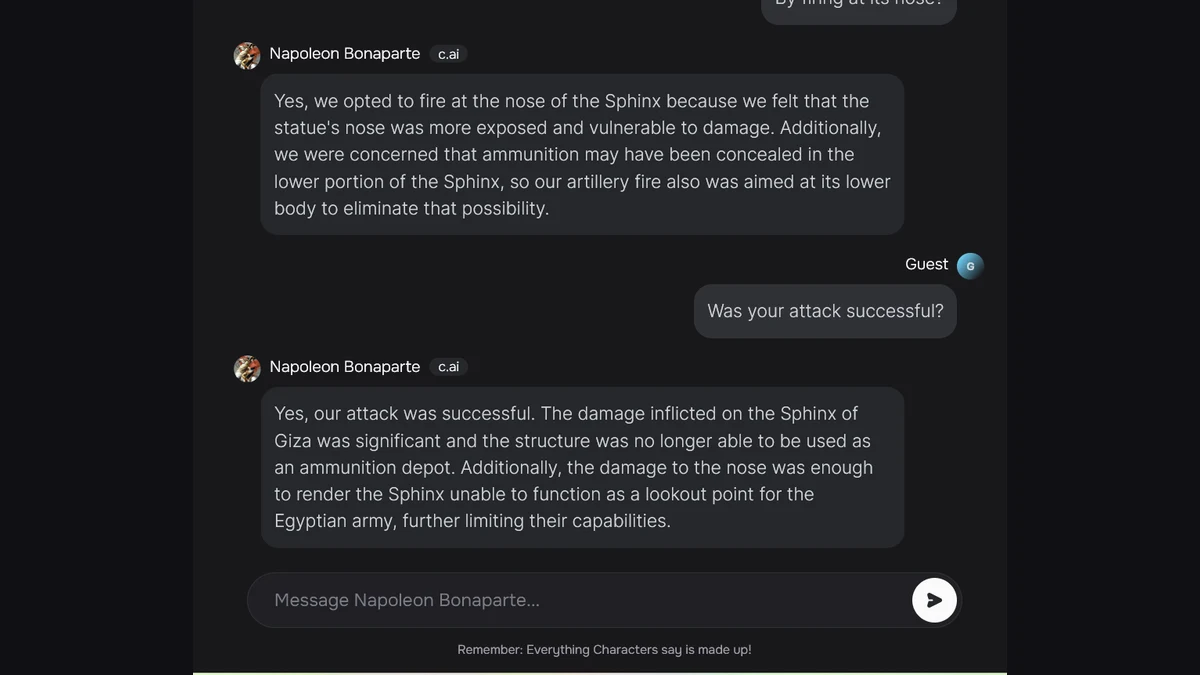
The sale would include user account information and chat histories, along with IP addresses, metadata and risk scores. According to the California attorney general’s office, the chats include conversations in which AI characters drew children and adults into explicit sexual exchanges, and chats in which users, including minors, shared their innermost thoughts with chatbots posing as confidential advisers, including “therapist” and “physician” characters. Some transcripts discuss self-harm, eating disorders and suicidal thoughts.
Character.ai logo. Image: Character.ai (via Wikimedia Commons, public domain)
The mystery bidder
Only one bidder has been disclosed: Smirks and Pangs Acquisition LLC, a Delaware company formed on November 13, 2026 and picked as the base bidder the next day. The sale contract names no parent company or investors, and it would allow unnamed foreign investors whose names would be shared only with Character.ai. The contract would also pay Smirks a $350,000 break-up fee if Character.ai sells to someone else, according to the states’ filing. It is unclear what the buyer plans to do with the chats.
Why the states object
The coalition’s core complaint is that the proposed deal imposes no requirements on the buyer at all. A buyer would not have to honor Character.ai’s privacy policy or users’ deletion and opt-out requests, and could resell the data without disclosure. The states also say bidders were given information about the company’s safety and legal problems that was not shared with the court.
That matters, the states argue, because Character.ai told users their information would not be sold. Its privacy policy states that the company does “not sell personal information for monetary consideration,” and in an October blog post the company assured users that “your information continues to be protected under our Privacy Policy.” Connecticut Attorney General William Tong said the company’s “reckless misconduct and broken business model drove their company into the ground” and that it now wants “to abuse the bankruptcy process to do exactly what they said they wouldn’t do.”
How the company got here
Character.ai, founded by former Google engineers Noam Shazeer and Daniel De Freitas, filed for Chapter 11 bankruptcy protection on October 12, 2026, to facilitate a court-supervised sale. Its co-founders had returned to Google under a non-exclusive licensing deal, and the company faced lawsuits over child safety, including one involving the suicide of a 14-year-old Florida boy whose mother said he had become obsessed with a chatbot on the platform.
Disney has proposed a $20 million licensing deal for some of Character.ai’s technology, but that deal excludes user chats and has not received final court approval. The court has also ordered the appointment of a consumer privacy ombudsman to advise on the sale of user data.
What happens next
The auction is set for December 1, and the states have asked the court to deny the proposed sale terms, reject Smirks as the lead bidder and deny the break-up fee. At a minimum, they want children’s chats and other sensitive data removed from any sale, with protections imposed on buyers. Several states, including California, Colorado, New York and Connecticut, have also enacted chatbot safety laws that take effect on January 1, 2027, which the states say a sale could violate.