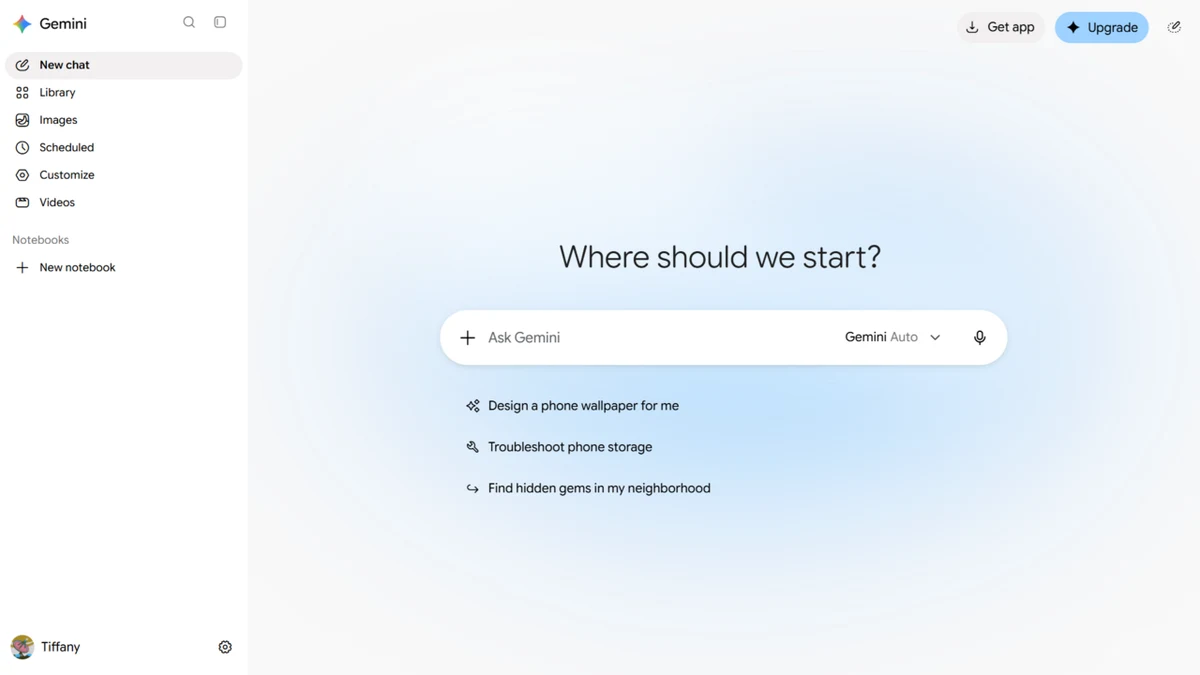
Google is giving Gemini users a privacy win and a privacy catch in the same update. The company announced on November 16 that it will split the Gemini app’s single “Keep Activity” switch into two separate controls, so users can finally keep their chat history without letting Google use those chats to train its AI models. But the same update quietly stretches how long Google keeps chats when history is turned off, from 72 hours to around two months.
Google announced the changes in a blog post on November 16, saying the new settings will roll out globally in the Gemini app over the coming weeks. “New settings let you keep your Gemini chat history, while opting out of generative AI model training,” the company wrote.
What Changed
Until now, Gemini tied two very different choices to one toggle. Turning on “Keep Activity” saved chats to history and allowed Google to use them for training. Turning it off protected chats from training but also erased the convenience of a saved history. That tradeoff drew complaints, including a widely shared post on Hacker News on November 4 arguing that Gemini trained on chat history even for paying subscribers.
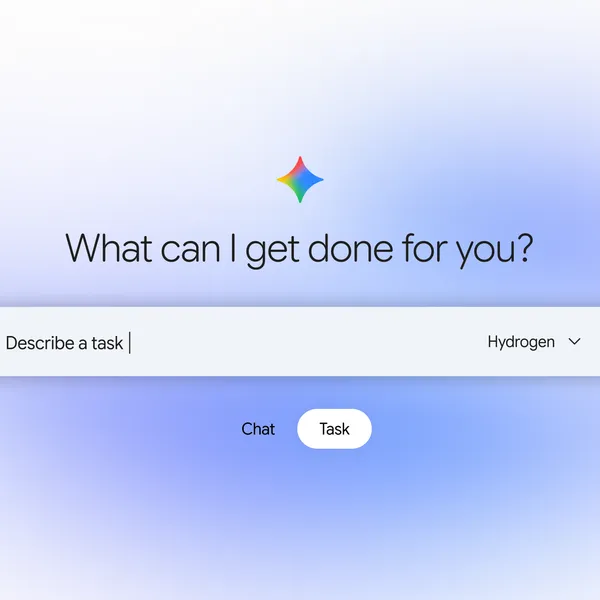
The update separates the two decisions. A new History setting controls whether chats are saved and for how long, while a separate training setting controls whether chat content, including text and uploads, may be used to train Google’s generative AI models. Users who had Keep Activity turned on will keep their history enabled and can now switch training off on its own. Users who had it turned off will find both new settings off by default.
Saved history still deletes automatically after 18 months by default, and users can change that to 3 or 36 months or keep chats until they delete them manually.
The Retention Jump: 72 Hours to Two Months
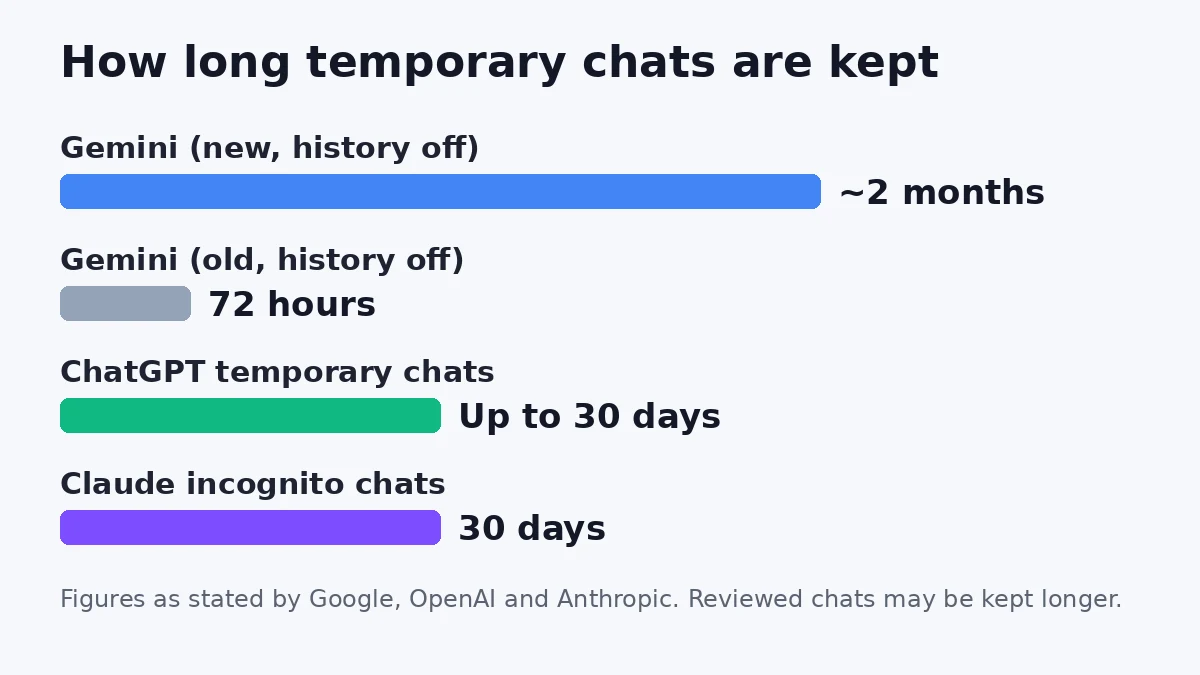
The part Google did not headline is the retention change. Under the old setting, chats made with history off, and temporary chats, were kept for 72 hours. Under the new settings, Google says those chats will be saved for around two months. In its blog post, Google framed the longer window as a safety measure:
“Now, if you turn your new History setting off, future chats will be saved for around two months; they’re used to respond to you, process your feedback, and protect Google, its users, and the public.”
Google also cites potential system failures as a reason for holding on to the chats. The company told TechCrunch it would not say what prompted the change or whether it would affect how conversations are accessed or reviewed.
One thing does not change: temporary chats are still not used to train Google’s AI models, according to Google’s updated Gemini Apps Privacy Hub. And chats that human reviewers have looked at can be kept for up to three years, separately from the copy in a user’s account, even after the user deletes them.
How It Compares
Even at around two months, Gemini’s retention for history-off chats is now longer than its main rivals. OpenAI says it may keep temporary chats in ChatGPT for up to 30 days, while Anthropic retains incognito chats in Claude for 30 days by default. Both companies note they may keep some data longer for legal or safety reasons or to investigate policy violations.
The comparison cuts both ways for Google. The split controls are a genuine improvement for users who want a searchable history without feeding model training, a combination Gemini did not offer before. But users who turned history off precisely because they wanted their chats gone quickly will now have them stored about 20 times longer than before.
Why It Matters
The update lands as AI chatbots hold ever more personal material, from work documents and photos to health and financial questions. Retention windows decide how long that material sits on company servers after a user has asked for it not to be kept, and how much of it human reviewers may see. Google’s answer is that the extra time helps it respond to users, process feedback and protect its services as AI systems grow more capable.
For users, the practical step is simple: when the new settings arrive, check both toggles rather than assuming the old one carried over. History off no longer means chats disappear in three days, and training off is now a choice users can make without giving up their history. The rollout is staged, so some accounts will still show the old Keep Activity switch for now.
Sources
- Google, “Gemini app updates: New chat history and training controls,” November 16, 2026
- TechCrunch, “Google to keep Gemini chats for 2 months, up from 72 hours, even with history off,” November 17, 2026
- The Register, “Opting out of Gemini tracking? Google will still hold your data 20x longer,” November 17, 2026