
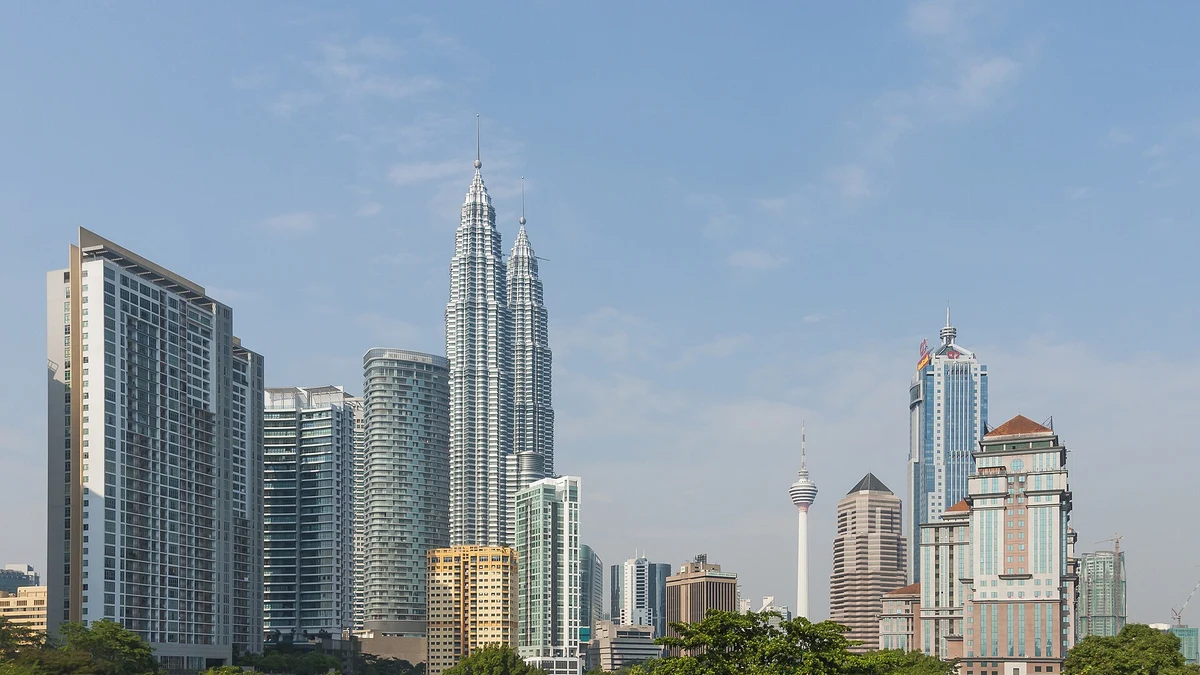
SoftBank Group, Grab and Petroleum Sarawak Berhad (PETROS) will invest $1.85 billion in new AI infrastructure across Malaysia, in one of the largest AI compute commitments Southeast Asia has seen this year. The three companies signed joint development agreements on November 9, 2026, with a long-term target of five gigawatts or more of AI compute capacity.
The announcement, issued jointly by SoftBank Group and Grab, splits the initial seed capital between two projects: $1 billion in Sarawak, on the island of Borneo, and $850 million in Peninsular Malaysia. The money will be released in stages, tied to development milestones, customer contracts and closing conditions, and the partners say they will bring in additional investors and hyperscaler customers as the buildout scales.
What the SoftBank Grab Malaysia AI Deal Covers
The Sarawak project will be jointly developed by all three partners, building on a framework agreement signed in Kuching on October 8, 2026. SoftBank Group is putting in $800 million there, with Grab and PETROS contributing $100 million each. SoftBank will be the majority shareholder in Sarawak, although Grab holds an option to increase its stake over time.
The Peninsular Malaysia project is the smaller of the two at $850 million, but it is the one Grab will lead. Grab is contributing $650 million and SoftBank $200 million, and Grab will bring in long-term strategic investors as the project scales, with further development funded at the project level through third-party equity and non-recourse project financing.
Once fully operational, the companies say the facilities will be among the largest AI infrastructure sites of their kind in Asia, serving governments, multinational companies and small businesses across Southeast Asia and beyond. No sites, customers or construction timetables have been disclosed yet.
Why Malaysia, Why Now
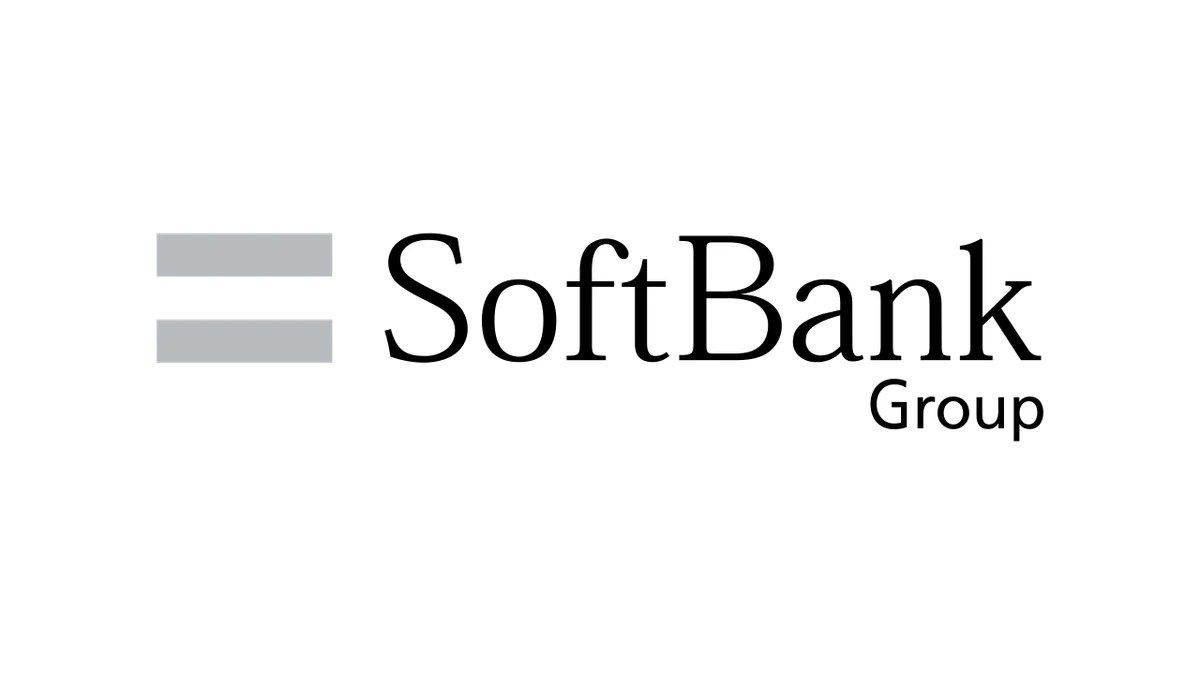
The deal lands as Malaysia pushes to become a regional AI hub under its National AI Action Plan 2026-2030, known as AI Nation 2030. The projects will be developed in close collaboration with Malaysia’s federal government and the Sarawak government, and the facilities are meant to run in line with the country’s renewable energy guidelines, using high-efficiency infrastructure designed to reduce water use and reliance on local power grids.
The demand case rests on research by Google, Temasek and Bain and Company, cited in the announcement, which found that per capita AI usage across Southeast Asia’s six largest economies is about one-tenth of the level in the United States, with regional usage projected to scale by up to 60 times by 2030.
Malaysia has already drawn major AI infrastructure money this year: Google is investing $15 billion in a data center there, a project GPTOnline covered earlier. The SoftBank and Grab plan adds a second large-scale buildout, this time led by Asian companies rather than a US hyperscaler.

What the Partners Said
“AI infrastructure will power the next wave of growth, and Malaysia has the talent and ambition to help lead it. Together with Grab, we will build the capacity needed to support Malaysia’s digital ambitions and accelerate AI innovation across Southeast Asia,” said Masayoshi Son, chairman and chief executive of SoftBank Group.
Grab co-founder, chairman and chief executive Anthony Tan said the partnership builds on the company’s roots in Malaysia. “Grab’s mission is and always has been the technological advancement and economic development of Southeast Asia,” Tan said. “Together with SoftBank Group, we plan to build critical AI infrastructure in Malaysia, where Grab began, for all of Southeast Asia.”
Tan is expected to oversee the development of both projects and appoint dedicated management teams, while continuing to lead Grab. The Grab board has reviewed and approved his role in the projects. SoftBank has also agreed in principle to a five-year lock-up on the Grab shares it will hold directly.
Why It Matters
For SoftBank, the deal is another large AI infrastructure bet under Masayoshi Son, who has been pouring capital into AI compute, chips and data centers. For Grab, it is a striking expansion beyond ride-hailing and deliveries into the infrastructure layer of the region’s AI economy, and a bet that Southeast Asia’s AI demand will grow fast enough to fill five gigawatts of capacity.
For Malaysia, the agreement adds momentum to its bid to host the region’s AI capacity, pairing foreign capital with a state-owned energy partner in PETROS and aligning the buildout with national AI and energy policy. The open question is execution: the seed capital is proposed, not closed, and the partners still need definitive agreements on the joint ventures, plus the customers and power arrangements to fill them.
Sources
- SoftBank Group and Grab Sign Joint Development Agreements to Develop AI Infrastructure in Malaysia, Grab press release, November 9, 2026
- SoftBank Group and Grab Sign Joint Development Agreements to Develop AI Infrastructure in Malaysia, SoftBank Group press release, November 9, 2026
- SoftBank, Grab, Petros to Invest $1.85 Billion for Malaysia AI Infrastructure, Morningstar (Dow Jones), November 9, 2026
- SoftBank, Grab and Petros to build ‘among Asia’s largest’ AI facilities in Malaysia with US$1.85b seed capital, Malay Mail, November 10, 2026

[…] is not slowing down. It recently signed joint development agreements with Grab and PETROS for a $1.85 billion AI infrastructure buildout in Malaysia, targeting five gigawatts or more of AI compute […]