OpenAI has launched the Grid Protectors Program, a national effort to make its future data center campuses cut electricity demand when the US power grid is under strain, the company announced on November 2. Working with utilities, regulators and policymakers, OpenAI plans to design campuses that can flex their power use during extreme weather and peak demand, so that neighboring homes and businesses keep the lights on.
“Today we’re launching the Grid Protectors Program, a national effort to support affordable, reliable electricity for families and businesses in the communities where we build,” OpenAI said in the announcement. The company framed the move as a way to pay its own energy costs in full while helping utilities manage peak loads.
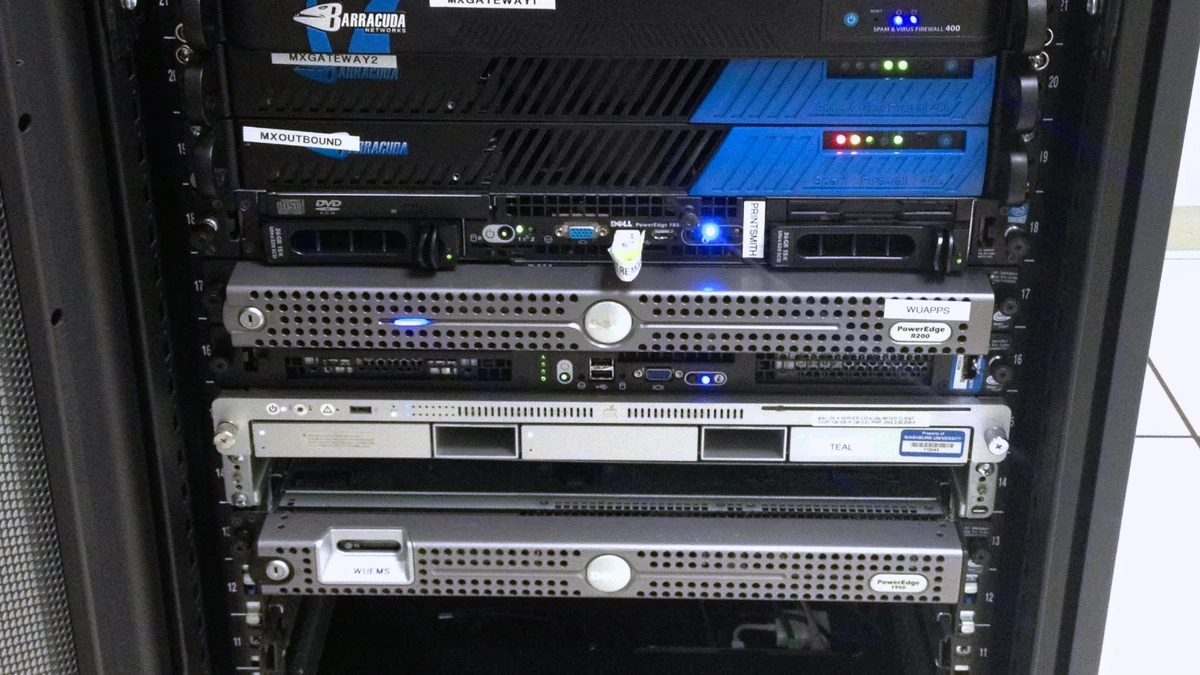
Server racks in a data center. Image: Aaron Hall, CC BY-SA 2.0 via Wikimedia Commons.
What the program promises
Through Grid Protectors, OpenAI aims to make power flexibility a core part of how it builds and operates future campuses. That means designing facilities to reduce electricity use when needed, and agreeing with utilities on how much demand can be reduced, how quickly and for how long. The arrangements will differ by location, and OpenAI says it will share additional commitments as they are finalized.
Depending on local needs and available equipment, the company will also work with grid operators to supply power from on-site generation or storage, and use batteries and power controls to smooth changes in demand. OpenAI notes that US data center capacity is projected to exceed 100 gigawatts by 2030, per BNEF figures cited in the announcement, which it calls a once-in-a-generation opportunity to strengthen the grid.
The economics, as OpenAI tells it, are straightforward: by using more electricity when the grid has room and less when it is strained, large campuses can help pay for grid infrastructure while limiting the need for costly upgrades to meet peak demand, which can keep costs down for other customers.
A model in Georgia
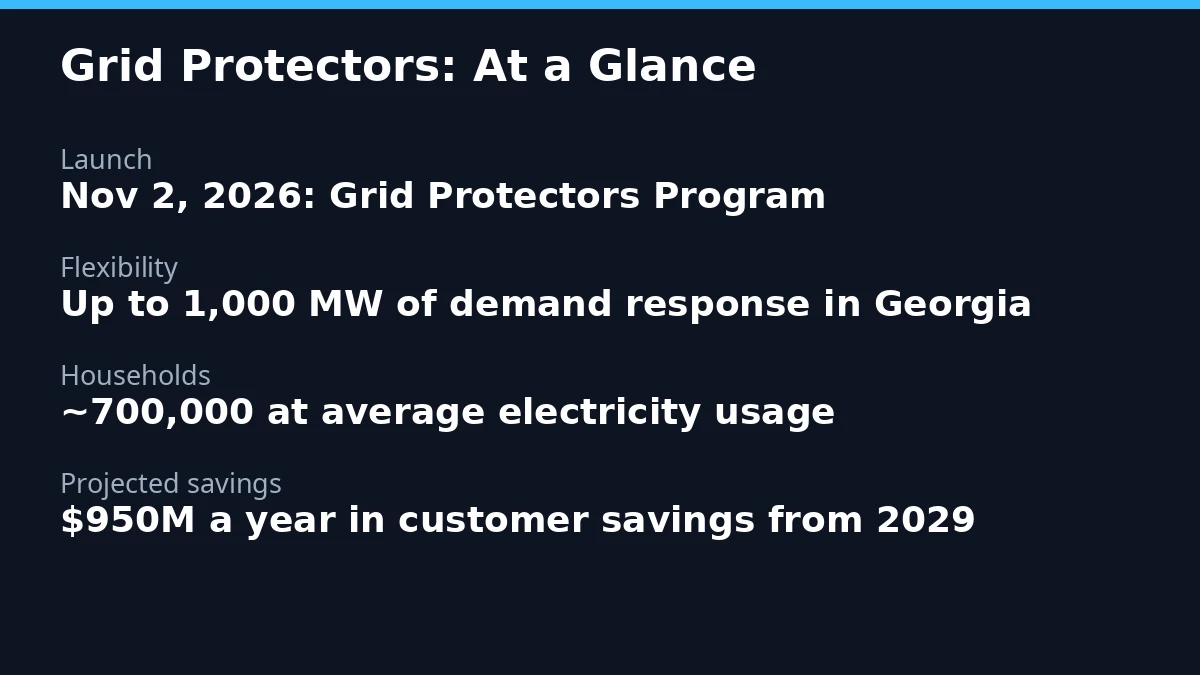
The program’s pilot is a planned campus in Effingham County, Georgia, where OpenAI has committed to pay the full infrastructure and electric-service costs required to serve the project. Its agreement with Georgia Power includes up to 1,000 megawatts of flexible demand response, freeing up power equal to the average electricity demand of roughly 700,000 households during extreme heat. That is more households than Washington, D.C. and Boston combined, OpenAI said.
“America needs more electricity to support economic growth, and AI is becoming a significant part of that demand. Families and small businesses should not be asked to subsidize a compute campus’s electricity needs,” the company said, adding that large computing facilities should pay their costs and help utilities manage the systems they depend on. The Georgia agreement, OpenAI says, can reduce the amount of new generation Georgia Power needs to build to serve future growth.
Customer savings on the horizon
Georgia Power projects approximately $950 million in annual customer savings beginning in 2029 from its portfolio of large-load agreements and expected growth, including Project Camellia, OpenAI said. The utility estimates a benefit of at least $15 a month for a typical residential customer using 1,000 kilowatt-hours.
OpenAI also argues that steady, year-round demand from compute campuses can help spread the grid’s fixed costs across more electricity sales, while flexibility lets campuses cut demand when the system is busiest. Long-term contracts and financial assurances, it says, can protect other customers if a project is delayed, reduced or canceled. “Flexibility cannot replace investment in new energy supply and transmission,” the company added. “Alongside those investments, our Grid Protectors program can help make the grid more reliable.”
Why it matters
AI data centers have become a flashpoint in US energy politics, with utilities projecting record load growth and communities pushing back on who pays for it. OpenAI’s answer is a standard it wants its own campuses, and by extension the industry, to meet: pay your full costs, flex when the grid needs it, and leave ratepayers better off. Whether rivals adopt the same playbook will be the real test, but as a public commitment tied to a named utility agreement, Grid Protectors sets a bar other builders will now be measured against.