Tencent’s Hunyuan team has released Hy3D 3.6, the latest generation of its native 3D model, on November 27, 2026. The new version targets professional 3D creators, with cleaner high-polygon geometry and physically based rendering (PBR) material textures that can feed directly into game and film production pipelines. The model is live now through the Tencent Cloud Token Hub API and inside several of Tencent’s own creative products.
What Was Announced
TechNode reports that Hy3D 3.6 turns text prompts or a single reference image into production-grade 3D assets. Unlike language models that build 3D objects by writing code and combining basic shapes, Hy3D 3.6 learns the geometry, textures and material properties of 3D assets directly during training, so its output is a native asset that can enter a professional workflow.
The model has already been integrated into Tencent’s Miora creative agent, the LAP game-asset platform and the WorkRally filmmaking platform. Regular users can try it through the Hunyuan 3D creation engine, which offers five free generations per day.
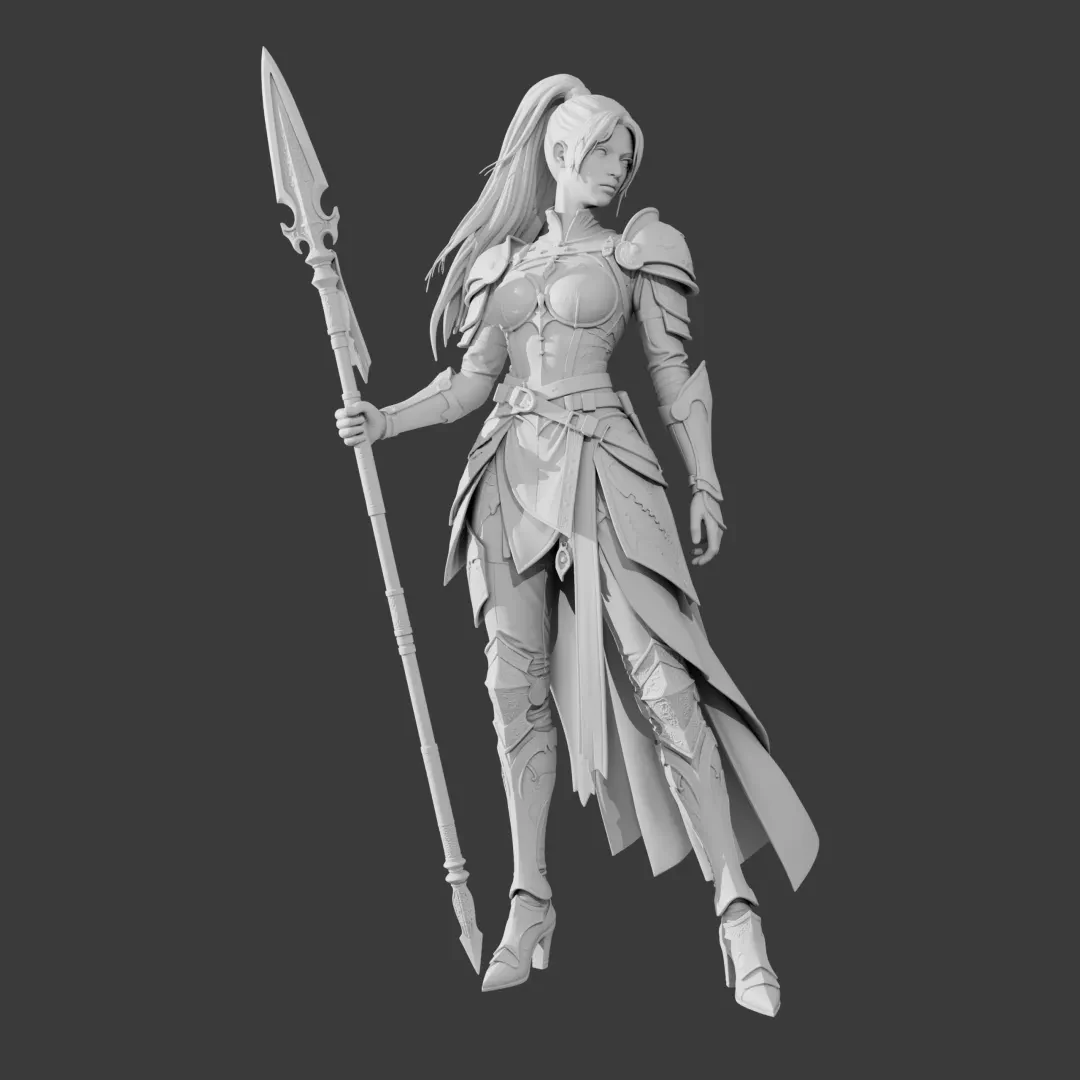
A Hy3D 3.6 sample render of a warrior character. Image: Tencent Hunyuan
Key Features and Details
The headline upgrade is resolution. The default target polygon count rises to 2 million faces, up from 500,000 in version 3.1, while texture resolution now supports up to 8K. That puts the output in range for film-grade assets and detailed game characters rather than quick previews.
Under the hood, Hy3D 3.6 compresses geometry and texture into a unified sparse latent representation with a variational autoencoder, then generates both together with a diffusion transformer. Tencent adds supervised fine-tuning and preference optimization, using a multi-expert system to generate preference candidates, so the output matches professional creators’ expectations more closely.
The model is built for the hard cases: characters, creatures, clothing and complex props. According to Tencent, it preserves the silhouette and curved surfaces of reference artwork while producing material maps for later editing. Its PBR textures cover surfaces such as skin, metal, wood and leather, so the same asset reacts correctly when lighting changes in a game engine.
Tencent also ran a blind test with hundreds of professional artists and modelers, and Hy3D 3.6 came out ahead of competing models on geometry quality, texture quality and usability, according to Chinese coverage of the launch.
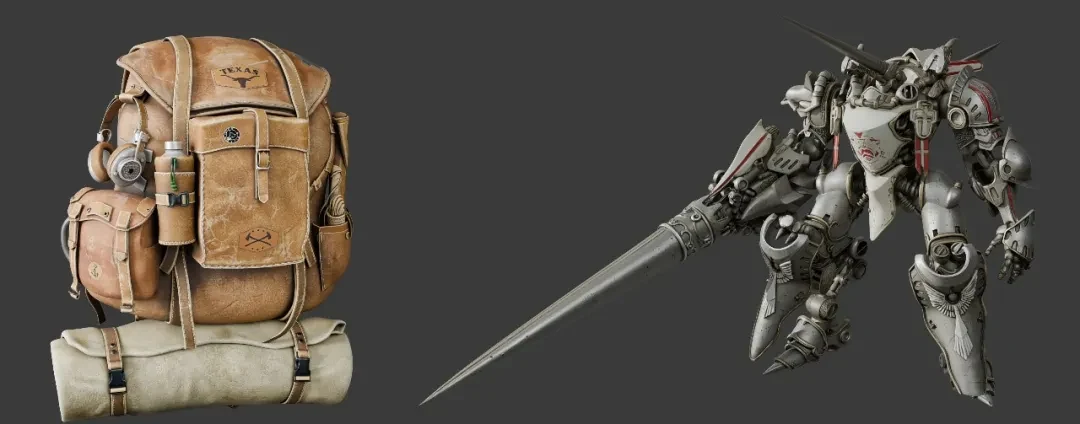
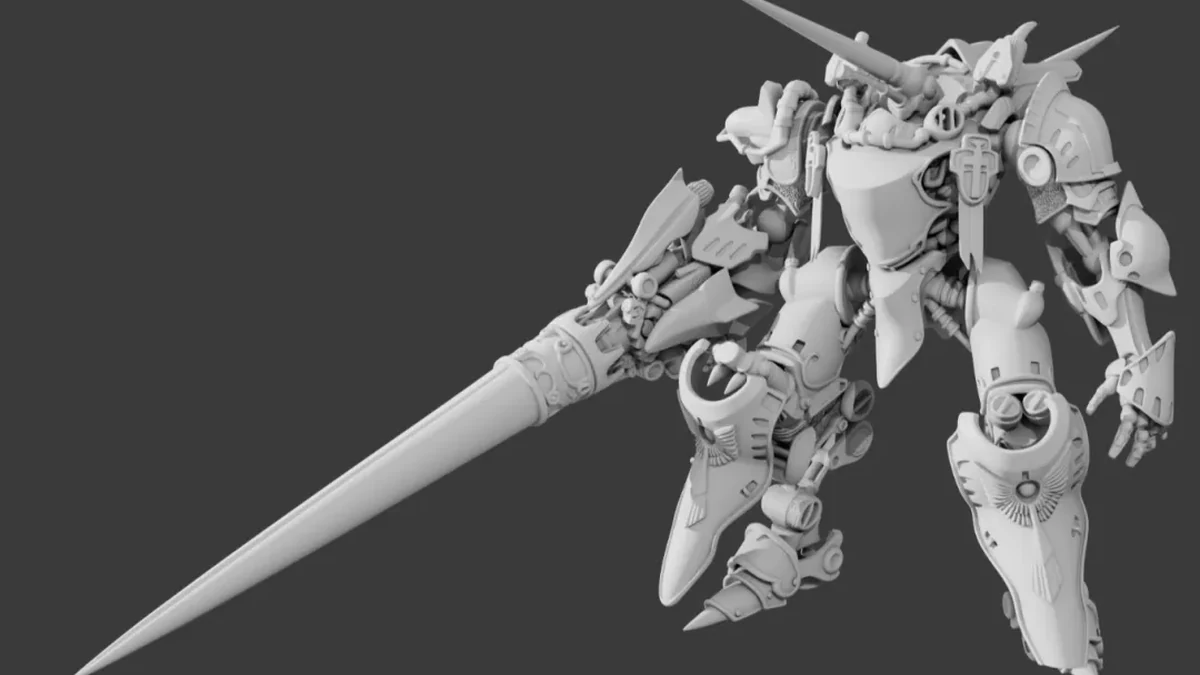
Textured PBR output from Hy3D 3.6: a backpack and a mecha. Image: Tencent Hunyuan
Pricing and Availability
Hy3D 3.6 is available now through the Tencent Cloud Token Hub, where developers can call it as an API service. New API users receive 100 free credits when they activate the service, and the Hunyuan 3D creation engine gives regular users five free generations per day. Tencent has not published per-asset list pricing beyond those free tiers, and prices may change, so check the Token Hub page for current rates.
Tencent has not announced open weights for Hy3D 3.6. Earlier Hunyuan 3D versions were open-sourced, and the series has passed 6.53 million community downloads, but this release is API first.
Why It Matters
AI 3D generation is moving from impressive demos to production pipelines, and the judging criteria are changing with it. Clean topology, correct PBR materials and high polygon counts matter more than a pretty render, because a model that cannot survive retopology, baking and engine lighting is not usable. Hy3D 3.6 is aimed squarely at that bar, and Tencent is dogfooding it inside its own game and film tooling, which is a stronger signal than a benchmark table.
For creators, the practical effect is a shorter path from a single piece of concept art to a usable asset. For the wider market, Tencent’s release adds pressure on rivals such as Tripo, Meshy and Rodin, which now have to match professional-grade geometry and materials, not just speed.