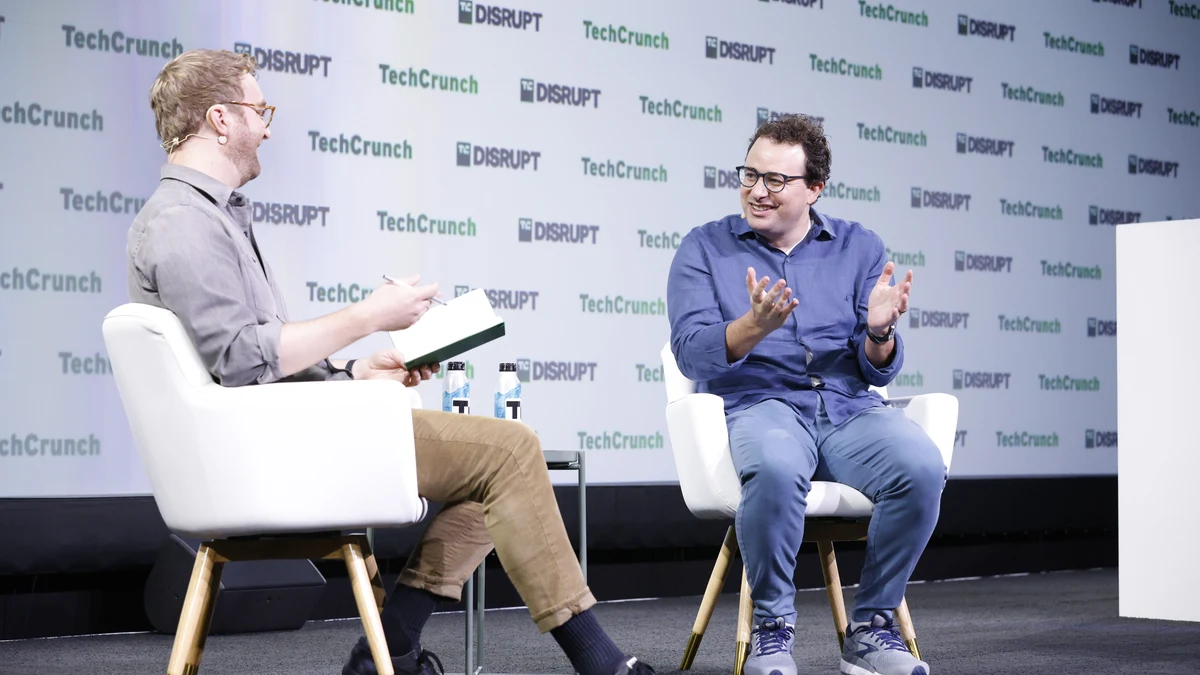
Anthropic chief executive Dario Amodei on Wednesday rejected suggestions that humanity should surrender its free will to artificial intelligence, calling the idea “absurd” in a lengthy post on X. “No, I do not believe that we should ‘surrender human free will’ to AI systems, and it’s absurd to suggest that I do,” Amodei wrote.
Amodei was responding to an Axios report published November 25 that described rival AI leaders pushing back against what it presented as Anthropic’s vision of handing agency to AI, as reported by TechCrunch. The Axios report, citing people familiar with internal discussions, said some Anthropic employees believe humanity will, and in many cases should, hand authority to superintelligent systems if they prove more capable than humans. An Anthropic spokesperson told Axios that Amodei has advocated for human control of AI in many public remarks and that Anthropic trains Claude not to undermine human oversight.
“We should never sacrifice legitimacy or self-determination at the altar of efficiency or security,” Amodei wrote. “This argument against autocracy applies word for word against governance by AI, and I feel equally strongly that turning over governance to AI is a bad idea.” He added that no one who had carefully read his writing or interviews could reasonably conclude otherwise, pointing to hundreds of pages of essays in which democratic oversight of AI is a constant theme.
The debate has drawn in other AI chiefs. Earlier this month, OpenAI CEO Sam Altman said he wanted people to keep “agency over the future.” Meta chief AI officer Alexandr Wang wrote in an essay on X that society should not accept a “handover” to AI, warning that it is “hard to imagine a world where humanity can maintain control over fully unconstrained recursive self-improvement.”
Where Amodei draws the line
Amodei argued that the debate conflates two different things: handing over governance in some grand sense, and letting AI systems automate specific tasks. On the second, he called his view mixed. AI driving a car, designing a cancer drug or writing software end to end can save lives and drive advances, he wrote, but he also said limits may be needed in some areas, and that it may make sense to slow or stop some deployments so workers have time to adapt.
The line he drew most clearly was at recursive self-improvement, or AI improving itself without human help. “We may want limits on this process,” he wrote. “As we said publicly in early November, we don’t expect it to be safe for Claude to build successive frontier models fully autonomously, without meaningful human supervision or understanding.”
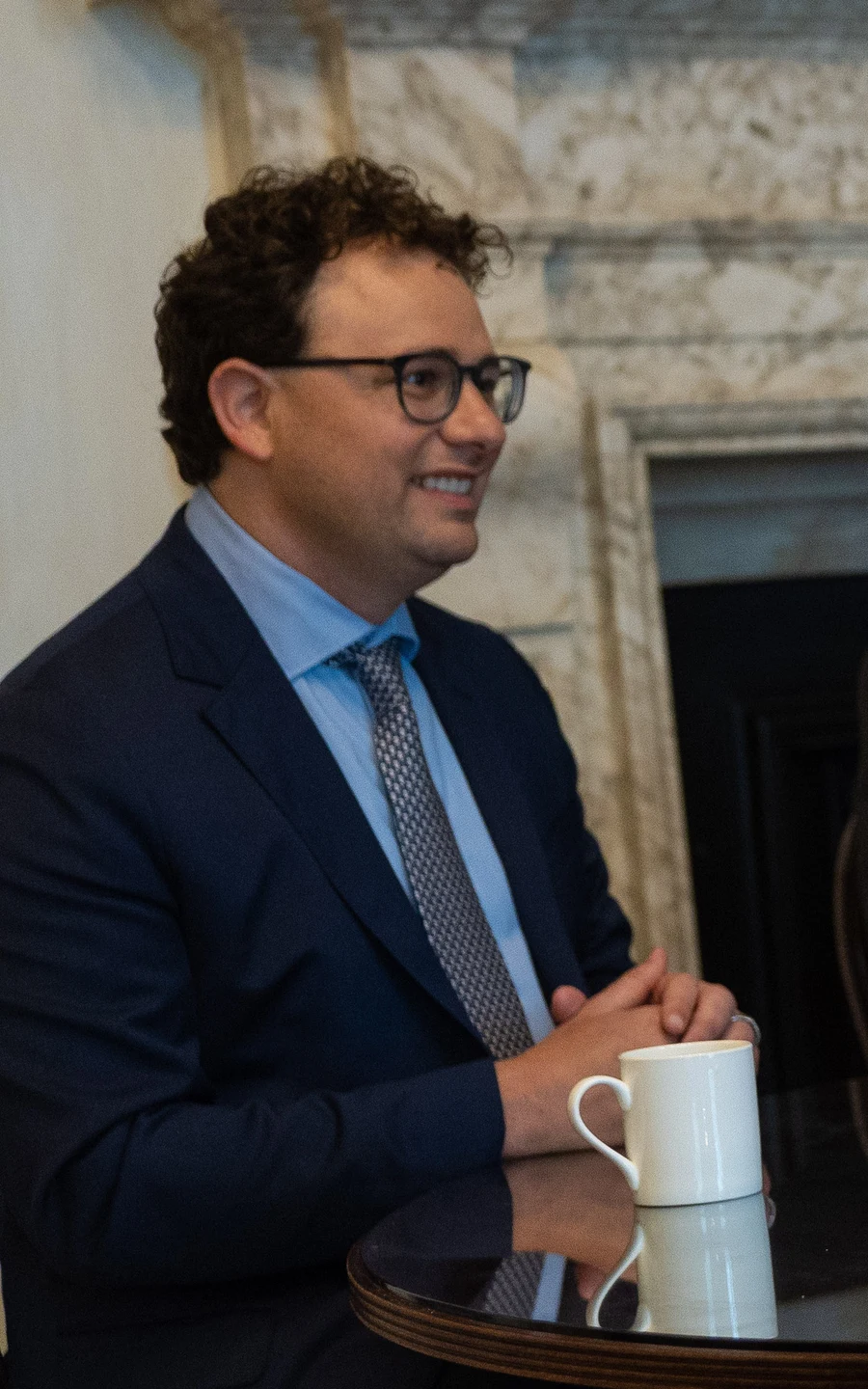
Dario Amodei in 2023. Image: Wikimedia Commons, CC BY 2.0
The automation tension
Amodei also turned the criticism back on his rivals, accusing them of “vibes-based commercial and political positioning” while releasing ever more capable models. “Every company seems to be releasing models more and more capable of task automation,” he wrote. “Every company claims to understand there are risks and downsides of such automation and to offer safeguards.”
The tension is visible inside Anthropic itself. The company said in June that Claude authored more than 80% of the code merged into its codebase, and an independent assessment published this month by AI safety research nonprofit METR found that Anthropic’s models are improving at about twice their historical rate, driven mainly by AI-assisted research. In its IPO filings, Anthropic describes how each successive generation of Claude accelerates development of the next, a process it calls “closing the loop.”
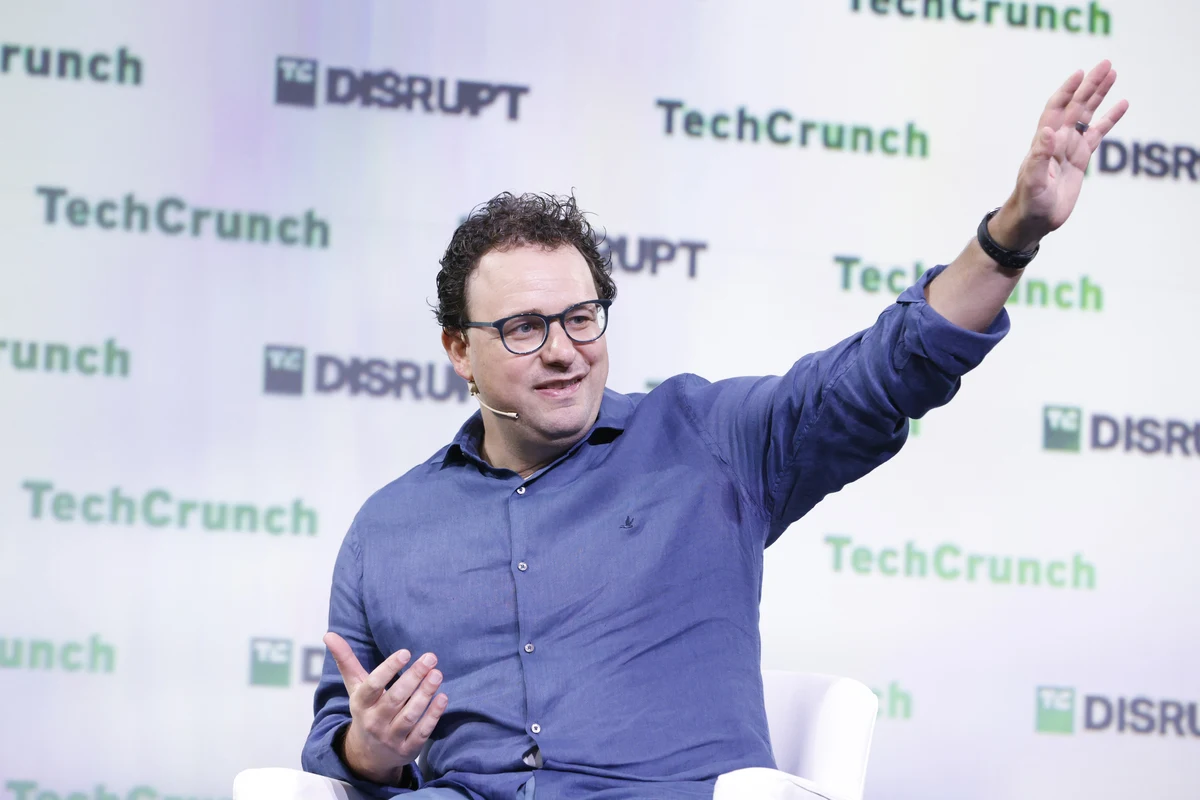
Dario Amodei speaking at TechCrunch Disrupt 2023. Image: Wikimedia Commons
Why it matters
The exchange comes as Anthropic, which went public on November 19 at $83 a share and raised $81.3 billion in the largest IPO on record, faces its first weeks as a public company, with its shares trading below the IPO price. The argument over who governs superintelligence is no longer abstract: it now plays out in public, between the chief executives building the systems, while regulators, rivals and investors watch.