A new startup wants to fix the biggest bottleneck in the AI boom by building data centers the way factories build products. Mavria, founded by three former US Department of Energy officials, launched on November 9, 2026, with $130 million in total funding and a $1 billion valuation, according to The Wall Street Journal.
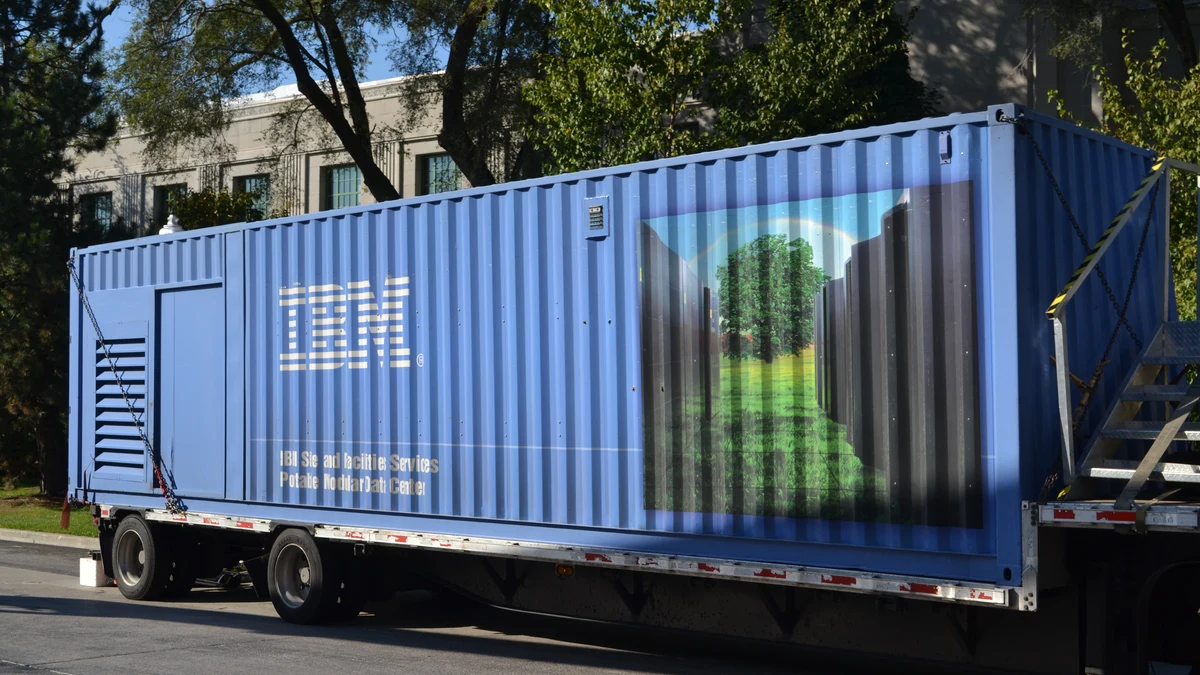
The Houston-area company builds factory-made modular data centers that can be shipped by truck and installed far faster than a conventional facility. Its first product, called Terrain, is a standardized 5-megawatt block that bundles power distribution, direct liquid cooling, controls and server racks into a single unit. The first unit, Terrain 01, is already in production at a Houston factory.
Who is behind Mavria
Mavria was founded over the summer of 2026 by Adam Blake, Nick Poradek and Seth Cohen, all former officials at the US Department of Energy. Blake serves as chief executive. The company is headquartered in The Woodlands, Texas, just north of Houston, and has 35 employees.
The funding totals $130 million raised across pre-seed and seed rounds, including a $100 million round led by Paradigm that set the $1 billion post-money valuation. Other backers include AMP PBC, Liquid 2, Critical Frontier and Dream Ventures. The company has not disclosed which customers will deploy Terrain or where the units will go.
What Terrain does differently
Traditional data centers are custom construction projects that can take years to design, permit and build, and they often wait months or years for a grid connection. Mavria’s bet is that much of that work can move into a factory. Each Terrain unit is manufactured as a complete, standardized system, then transported by truck to the site and connected there.
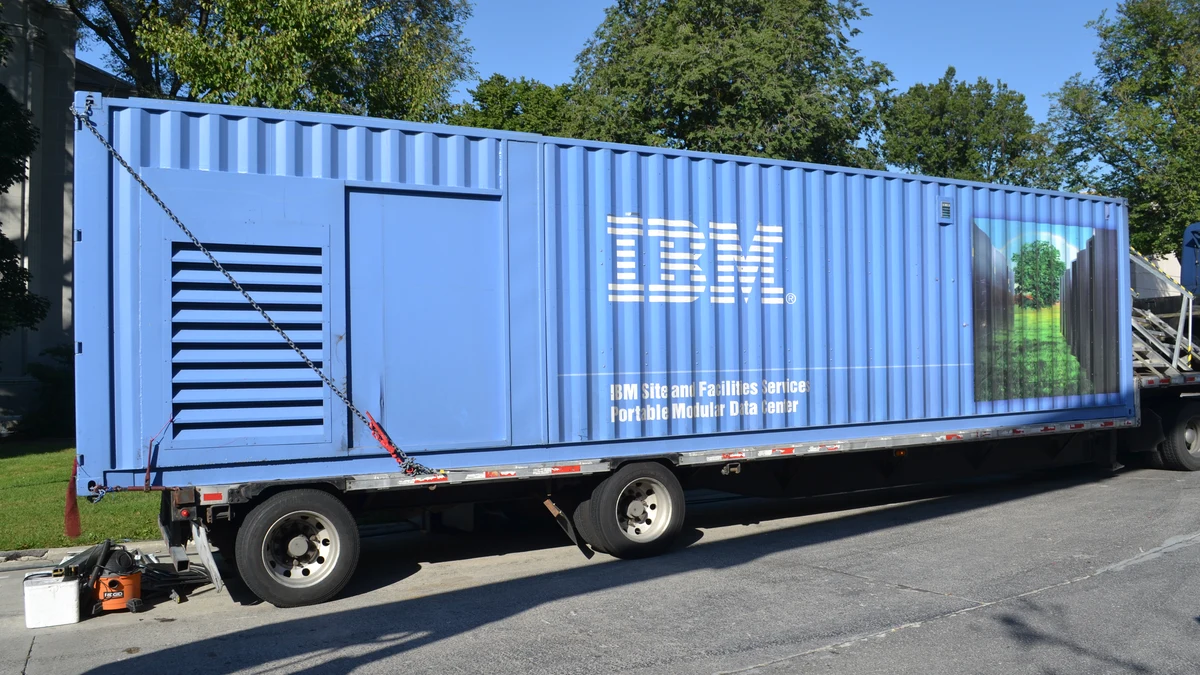
According to the company, a Terrain unit can bypass the grid delays that have slowed most data center builds by plugging directly into local distribution power lines. That claim, if it holds up in practice, would matter: power availability, not chips, has become the binding constraint on new AI capacity in many regions, and developers are competing for a limited supply of energized sites.
Mavria plans to sell the equipment, but it can also develop sites with electric power and operate them, according to the Journal’s report. The company says Terrain is aimed at frontier AI labs, cloud providers and data center developers, and at high-density AI workloads in particular.
The road ahead
Mavria told the Journal it plans to begin testing Terrain units in early 2027 and scale up production by midyear. Commercial deployment and production economics remain unproven, and the company has no disclosed customers yet, so the $1 billion valuation rests on the idea rather than on orders.
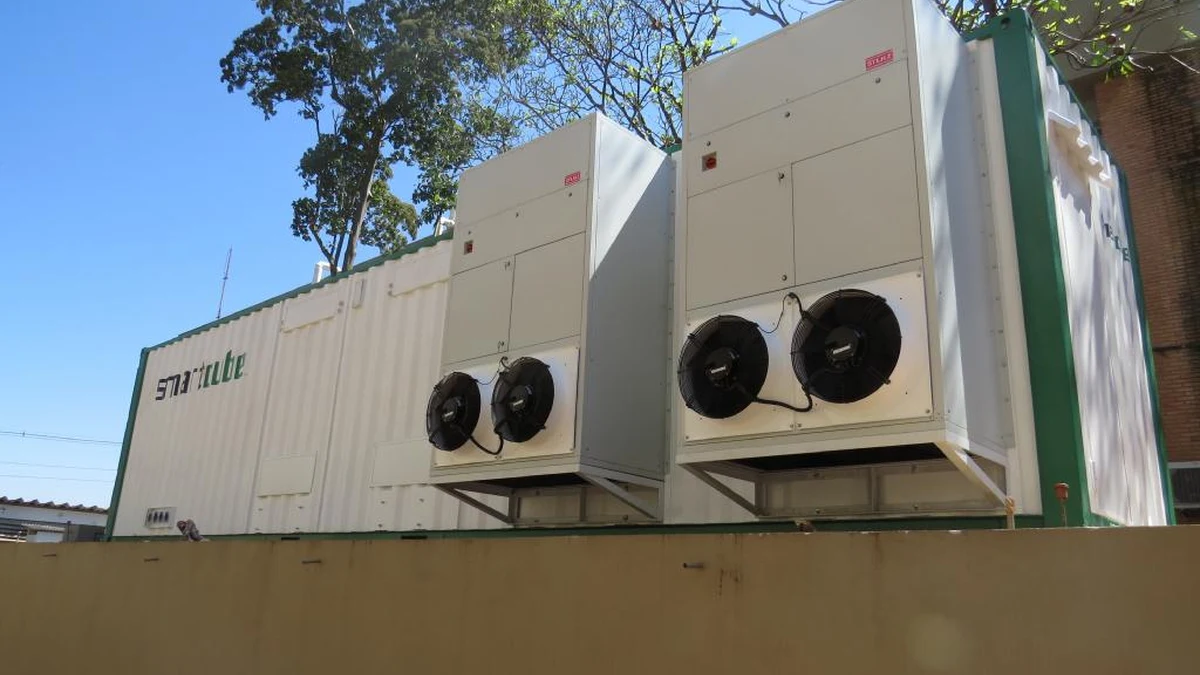
The launch fits a wider pattern. As AI labs race to secure compute, the industry’s constraint has shifted from model capability to physical infrastructure: power, cooling, land and construction speed. Startups and incumbents alike are trying to industrialize data center construction, from prefabricated modules to factory-built power systems. Mavria is the newest entrant, and one of the best funded, but it will have to prove that a factory-built 5-megawatt block can be delivered, connected and operated at a cost and speed that beats the conventional build.
Why it matters
A billion-dollar valuation on launch day, before any disclosed customer, shows how much capital now chases the physical side of the AI boom. If Mavria’s factory model works, it could shorten the time between deciding to build AI capacity and switching it on, which is exactly what labs and cloud providers say they need. If it does not, it will join a long list of modular data center concepts that promised speed and struggled with the realities of power, permitting and site work. The first real test comes in early 2027, when Terrain 01 is due to start testing.
Sources
- Mavria, which aims to build modular data centers that can be shipped by trucks, raised $130M across pre-seed and seed rounds at a $1B valuation, The Wall Street Journal, November 9, 2026 (via Techmeme)
- Former US DOE staffers launch modular data center firm Mavria, Data Center Dynamics, November 9, 2026
- New startup targets AI’s biggest bottleneck with modular data centers, Business Report, November 9, 2026