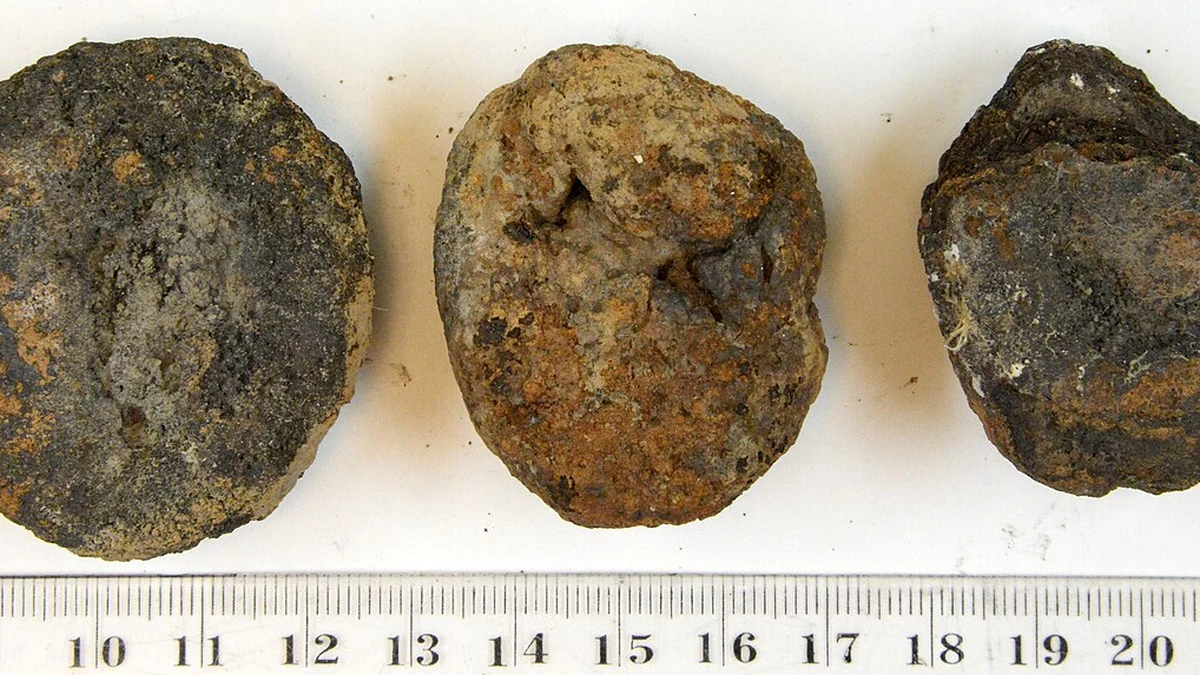
An autonomous robot guided by AI has collected minerals from the deep ocean floor for the first time, its maker says, picking up potato-shaped rocks rich in battery metals from more than 4,000 meters below the surface of the Pacific Ocean. Impossible Metals announced the successful test on Monday, November 9, 2026, calling it a first for the young deep-sea mining industry.
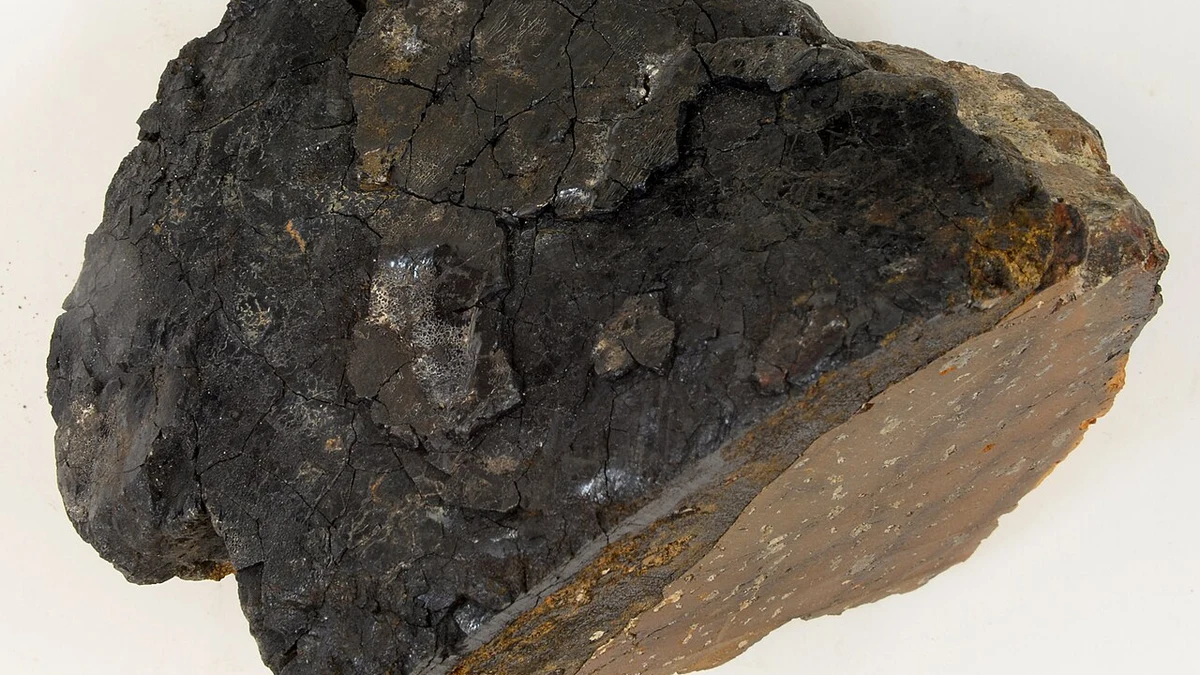
The robot, part of the company’s Eureka Collection System, directed itself to the seabed during a scientific expedition in September, retrieved about 450 grams (1 pound) of polymetallic nodules, and returned to the surface. The dive took place in the Clarion-Clipperton Zone, a vast stretch of Pacific seabed between Hawaii and Mexico known for its dense fields of nodules.
How the robot works
Unlike most deep-sea mining concepts, which plan to vacuum nodules off the seabed, Eureka hovers above the ocean floor and plucks them up one at a time. The vehicle uses a large claw and AI vision to identify nodules and avoid marine life, a design the company says reduces environmental damage. Its perception layer identifies visible life on and around each nodule and leaves those nodules where they are, selecting only from the remainder. A buoyancy engine lifts the payload by harnessing the physics of water displacement, so the robot needs no riser pipe connecting it to a surface ship.
“The questions we set out to answer are answered. Eureka is proven, patented, and ready,” said Steve Curnutte, the company’s executive chairman and CEO. “To see the entire system work in the middle of the Pacific, deeper than the Titanic, which was incredible.”
“It very responsibly, in an ecologically friendly way, goes down there and plucks these nodules off the seabed floor without disturbing the environment,” said Richard Smith, a FedEx executive and vice chairman of FWS Enterprises, the family office of FedEx founder Fred Smith. The Smith family participated in Impossible Metals’ Series A funding round, which closed earlier this year, and is now the company’s second-largest shareholder.
The recovered nodules will go to Viridian Biometals, which plans to study the bacteria populations living on them. The technology is protected by US patent 12,704,065, granted in August 2026 to co-founders Oliver Gunasekara and Jason Gillham.
Why the nodules matter
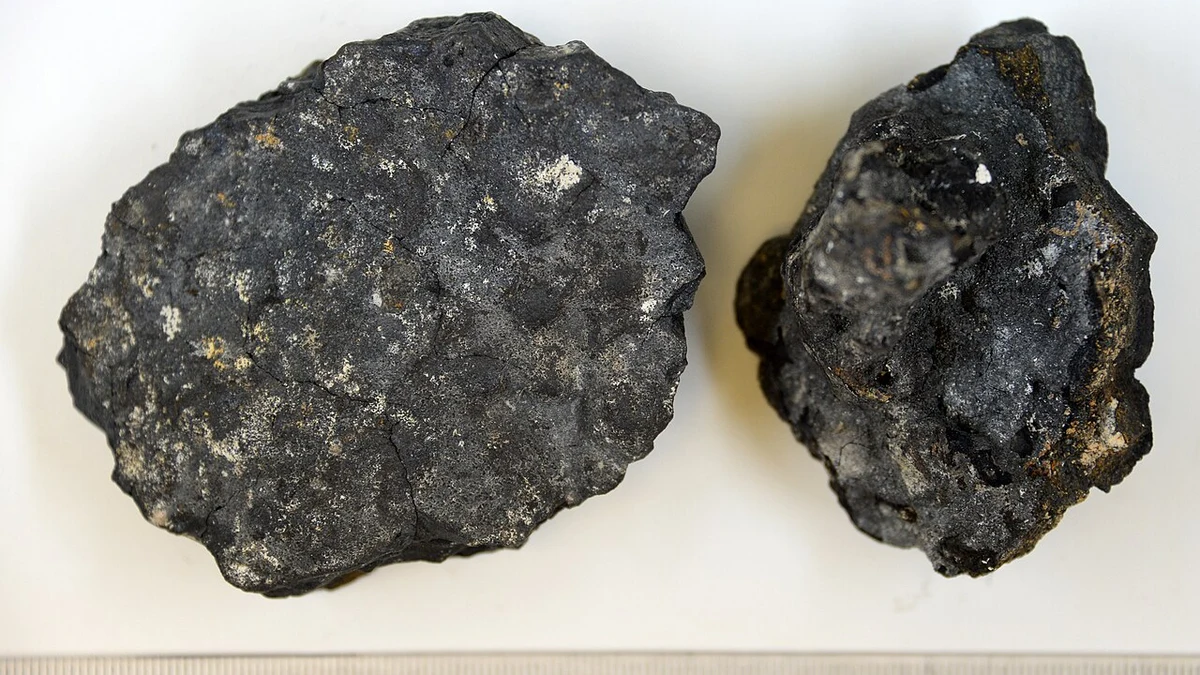
Polymetallic nodules are lumps of rock scattered across parts of the deep seabed, filled with copper, nickel, and other minerals used in electric vehicles and electronics. As demand for battery metals grows, miners have turned to the ocean floor, but the industry remains controversial. Environmentalists warn that scraping the seabed could damage ecosystems that scientists barely understand, and regulators have yet to settle the rules.
Impossible Metals says the test results will feed into a larger version of the robot. In 2027 the company plans to put Eureka III, the scaled-up version, before an independent scientific team aboard the German research vessel RV Sonne, as part of an environmental impact study run by Germany’s Federal Institute for Geosciences and Natural Resources. The company still needs regulatory approval from the International Seabed Authority or the US government before any commercial collection can begin, and no timeline for that has been set. All scientific data from the dive will be published openly, the company said.
Funding and backing
The company, backed by startup accelerator Y Combinator, declined to disclose the value of its Series A round. Media reports put it near $25 million, an amount that would value the company at roughly $110 million. Investors also include In-Q-Tel, the strategic investment arm of the US intelligence community. The participation of the Smith family, whose fortune comes from FedEx, adds a prominent backer to a company operating in one of the most contested corners of the mining industry.
Why it matters
The test is small, a single pound of rock from the bottom of the ocean, but the claim attached to it is large: that AI-guided, selective harvesting can make deep-sea mining gentler than the vacuum-based methods rivals are planning. If the approach works at scale and survives regulatory scrutiny, it could change the economics and the environmental argument around seabed minerals. Both of those are still open questions, and the next test, with a bigger robot, will say more than this one did.