

Updated: October 29, 2026
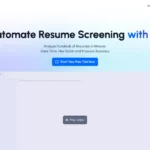
Brainner’s recruiting workflow
| Name | Brainner |
| Overview | Brainner is a recruiting platform for AI-assisted resume screening and candidate-risk detection. It helps teams organize evidence against role requirements rather than establishing that a person is qualified, unsuitable or fraudulent. The provider describes a workflow in which recruiters retain hiring decisions. |
| Key features & benefits |
Available integrations and functions depend on the plan and setup. A risk flag is not proof of misconduct, and an AI ranking is not a substitute for reviewing an applicant’s evidence. |
| Use cases and applications |
|
| Who uses? | HR managers, recruitment teams and staffing organizations evaluating applicant-screening workflows. |
| Pricing | The pricing page lists Professional, Business and custom Enterprise plans, plus a trial covering up to 25 candidates. Professional lists up to 2,000 analyses per month and three users; Business lists up to 5,000 analyses and unlimited users. Numerical base subscription prices were not readable in this research capture. Additional usage and identity-verification add-ons can cost extra. Confirm the currency, billing period, included features and whether screening, risk checks or repeat analyses consume separate credits. A trial is not an unlimited free plan. |
| Tags | AI, HR, Recruitment, Resume Screening, Candidate Review, ATS Integration |
| App available? | Brainner provides a web platform and integrations. A dedicated native mobile app was not verified. |
Keep human review in the process
A practical evaluation would begin with a small, authorized sample of applications and a role-specific checklist. Compare extracted information with the original documents, check how missing evidence is treated, and examine both highly and poorly ranked applications. Review whether criteria are genuinely necessary for the job and whether errors could unfairly exclude applicants. Resolve concerns before using a score or risk signal to support a decision.
This is a suggested evaluation process, not a test performed for this article. We did not verify claims about processing hundreds of resumes in minutes, saving 40 hours a month or improving selection accuracy. Hiring outcomes depend on the criteria, source information and human review.
Candidate data and confidentiality
Brainner’s responsible-AI page says it does not use customer or candidate personal data to train or fine-tune its own or third-party foundational models. It also describes customer-controlled retention and deletion. These are provider statements, not an independent technical audit or a guarantee of confidentiality.
Before connecting an ATS or sharing resumes, confirm that your organization is authorized to provide the data, review the customer agreement and processing terms, and check access permissions, retention, deletion and hosting options for your plan. The privacy policy distinguishes customer-managed applicant data from information collected through Brainner’s own website. Integrations may involve additional providers and terms. Obtain appropriate internal privacy and hiring-policy review for your circumstances.
Sources checked October 28, 2026 (UTC): Brainner, screening features, workflow without an ATS, pricing, responsible AI, privacy, security controls and terms. No account, resume upload, ATS connection, screening or paid workflow was tested.


