Updated October 17, 2026
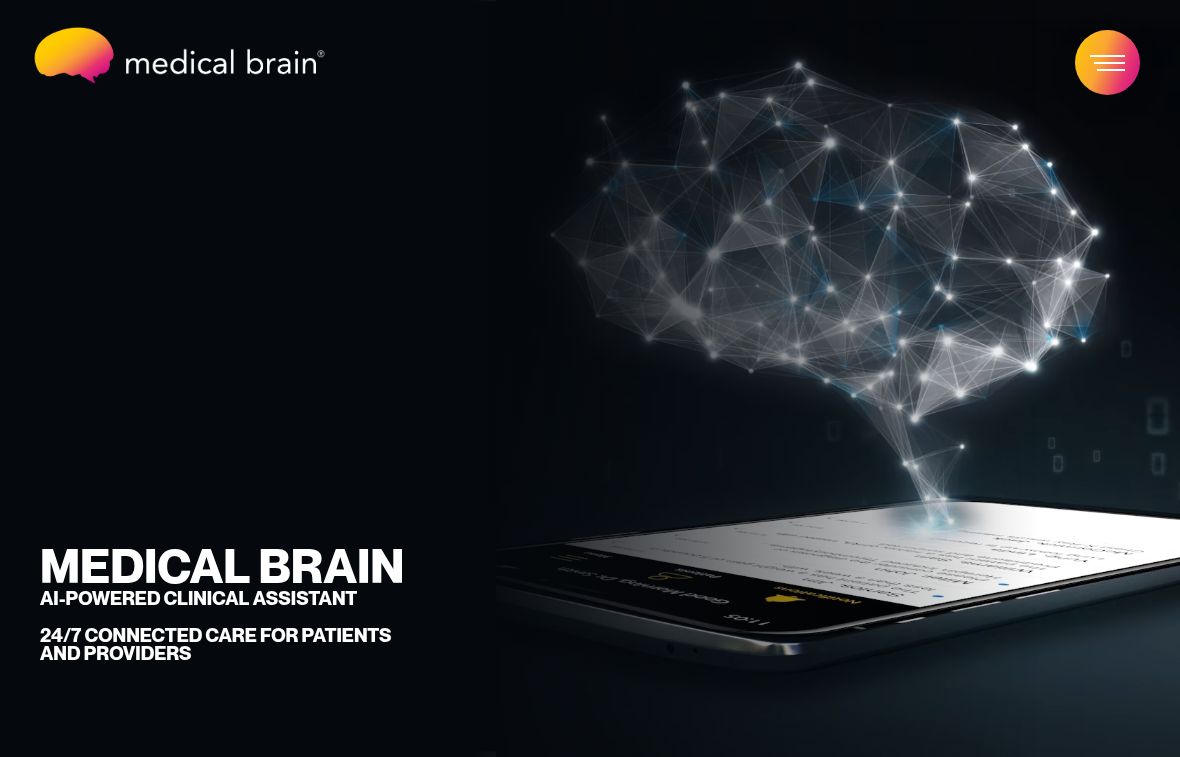
Image: screenshot of the public Medical Brain homepage, captured October 17, 2026. Shown for product identification; not a clinical test or endorsement.
Medical Brain is healthPrecision’s clinical decision-support platform for connecting patients with their care teams. Its public materials describe software that combines health records, patient messages and remote-monitoring information to highlight potential care gaps and support follow-up. It is intended to work within a healthcare program; patients need an invitation from their healthcare provider to use the patient app.
This overview examines the published product information and app listings. We have not enrolled a patient, tested clinical responses or independently evaluated medical outcomes. Seek your healthcare provider’s advice before making medical decisions. For an emergency, contact local emergency services rather than waiting for an app response.
What Medical Brain is designed to do
The official Medical Brain website describes ongoing analysis of patient information and notifications to help coordinate care. Its clinical modules cover areas including diabetes, hypertension, heart failure, obstetrics and orthopedics. These are descriptions of the product’s intended scope, not a guarantee that every condition or service is available through a particular provider.
- Patient communication: the patient app supports reporting health-status changes and contacting the care team.
- Information in one place: published features include reviewing laboratory reports, tracking measurements and medication intake, and sharing a health summary.
- Care coordination: appointment, referral and refill requests are listed functions. A request does not establish that an appointment is booked or a prescription has been approved.
- Provider decision support: the provider product describes combining clinical information, identifying changes and presenting an updated Intelligent Medical Summary.
The provider app description mentions EHRs, laboratories and imaging systems as information sources. Organizations should confirm their actual interfaces, supported data fields and implementation requirements. The presence of a data source in a description does not demonstrate compatibility with every system.
Apps, eligibility and pricing
The iPhone patient app and Android patient app both state that patient use is free and requires a healthcare-provider invitation. The reviewed US Apple listing requires iOS 15 or later. Availability and device compatibility should be checked in the relevant local store.
There are also separate Medical Brain for Providers listings for iPhone and Android. The iPhone provider listing requires iOS 15.6 or later and describes a desktop product as well. We have not verified a public, self-service browser account or desktop installation flow.
No organization-wide price list was verified in the reviewed official materials. Healthcare organizations can contact healthPrecision for a demonstration and commercial details. Ask for implementation, integration, support and monitoring costs in writing. A free patient app does not establish that devices, clinical services or an organization’s deployment are free.
The website promotes voice interaction, but the iPhone patient app’s version history includes removal of recorded voice messages. Confirm the current input options in your particular app and program instead of assuming every advertised voice feature is available.
A practical onboarding example
Consider a hypothetical patient whose existing clinic offers Medical Brain for follow-up. This is an example of questions to resolve, not a tested workflow or a treatment plan:
- Verify the invitation with the clinic through an established contact method and identify the correct patient app.
- Ask which clinicians receive messages, when staff review them and what alternative contact method to use when the app is unavailable.
- Review the program’s consent and privacy documents before connecting records or adding an authorized caregiver.
- Ask the clinic which records or devices are connected. Check displayed information for errors and use its correction process.
- Use the clinic’s instructions for routine reporting. Confirm important requests with the care team and keep its urgent-care instructions accessible outside the app.
An organization evaluating the platform can use a demonstration with synthetic data to check alert ownership, escalation paths, accessibility, missing-data handling and downtime procedures before considering a clinical rollout.
Privacy and agreements need program-level review
The website privacy policy and website terms are dated August 22, 2018. They concern the informational website and inquiries; the privacy page discourages including protected health information in public contact messages. They should not be treated as a complete clinical-app agreement.
A separate Medical Brain program privacy policy, revised April 20, 2026, covers health records, communications and usage information. It allows service-provider processing, including by AI providers such as OpenAI and Anthropic, and states that shared information is anonymized. These are the vendor’s representations, not an independent security assessment.
That policy describes account-closure options, including optional 90-day retention, while allowing backups to persist for up to a year and audit records longer. Provider-held records are separate. The Android listings display a “Data can’t be deleted” label, so ask support to clarify the applicable deletion process and exceptions before enrollment. Do not interpret store labels as a complete account of clinical-data handling.
Obtain the current app agreement and your provider’s program terms, including caregiver access, consent, data exports and any costs. We have not independently verified regulatory approvals, HIPAA compliance or a security certification.
How to assess clinical claims
The vendor’s resources page includes partnership announcements and reports about particular clinical settings. Those materials should not be generalized into a promise of fewer readmissions, improved safety or lower costs for every patient or organization.
For a purchasing evaluation, request the underlying evidence for the proposed use: the patient population, comparison group, study design, outcome definitions and limitations. Also ask how clinicians review recommendations and how performance is monitored after deployment. Automated availability around the clock does not establish that a clinician responds immediately.
Medical Brain may be relevant when an existing care team offers a connected-care program or a healthcare organization is evaluating clinical decision support. Its suitability depends on that program’s access, staffing, integrations and clinical governance. For other software categories, browse our AI tools directory.